Blog List

Wednesday, 1 March 2017

Urban Sediment Transport through an Established Vegetated Swale: Long Term Treatment Efficiencies and Deposition


Open AccessArticle
Water 20157(3), 1046-1067; doi:10.3390/w7031046

Urban Sediment Transport through an Established Vegetated Swale: Long Term Treatment Efficiencies and Deposition


1
Institute of Infrastructure and Environment, Heriot-Watt University, Edinburgh EH144AS, UK
2
Scottish Universities Environmental Research Centre, Rankine Avenue, East Kilbride G750QF, UK
*
Author to whom correspondence should be addressed. 
Academic Editor: Miklas Scholz
Received: 31 October 2014 / Revised: 2 March 2015 / Accepted: 4 March 2015 / Published: 12 March 2015
(This article belongs to the Special Issue Sustainable Drainage Systems)
View Full-Text   |     Download PDF [1232 KB, uploaded 9 June 2015]   |      

Abstract 

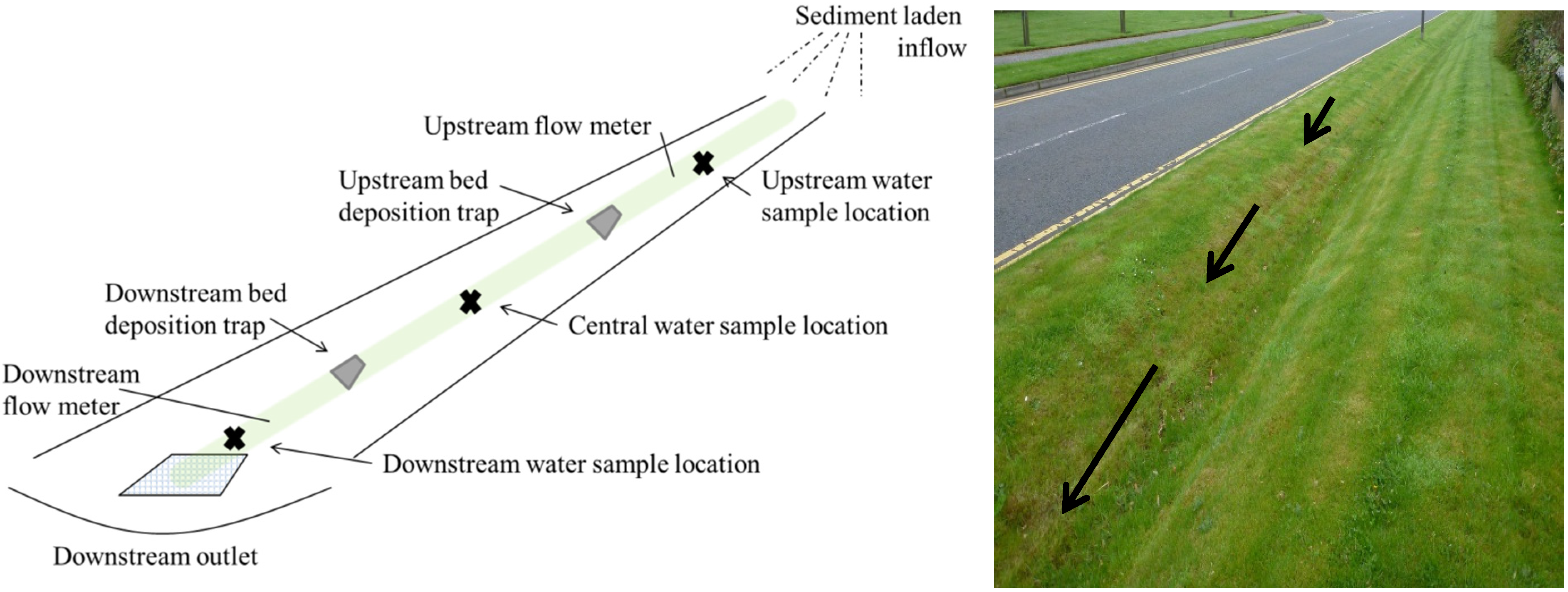
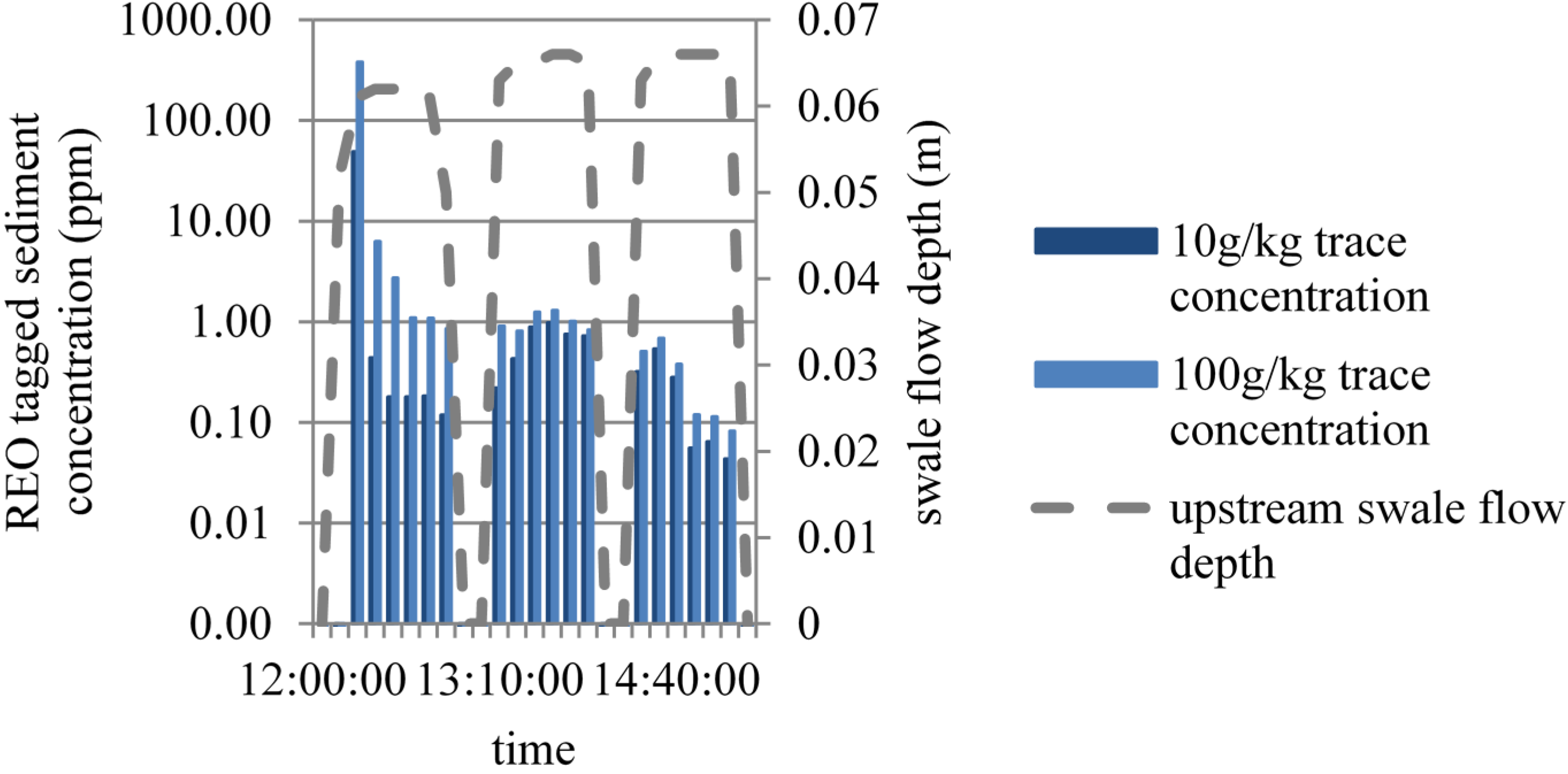
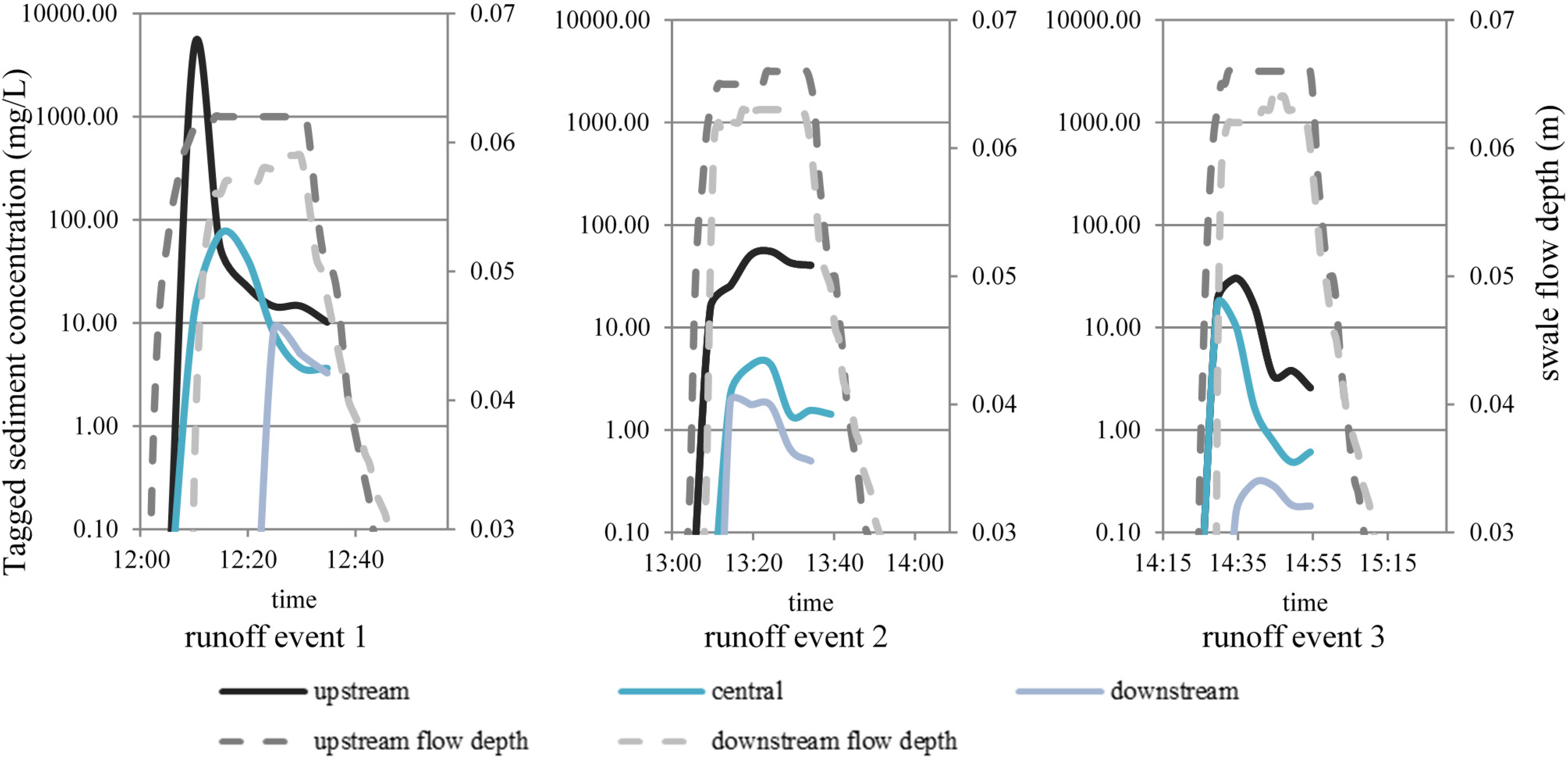
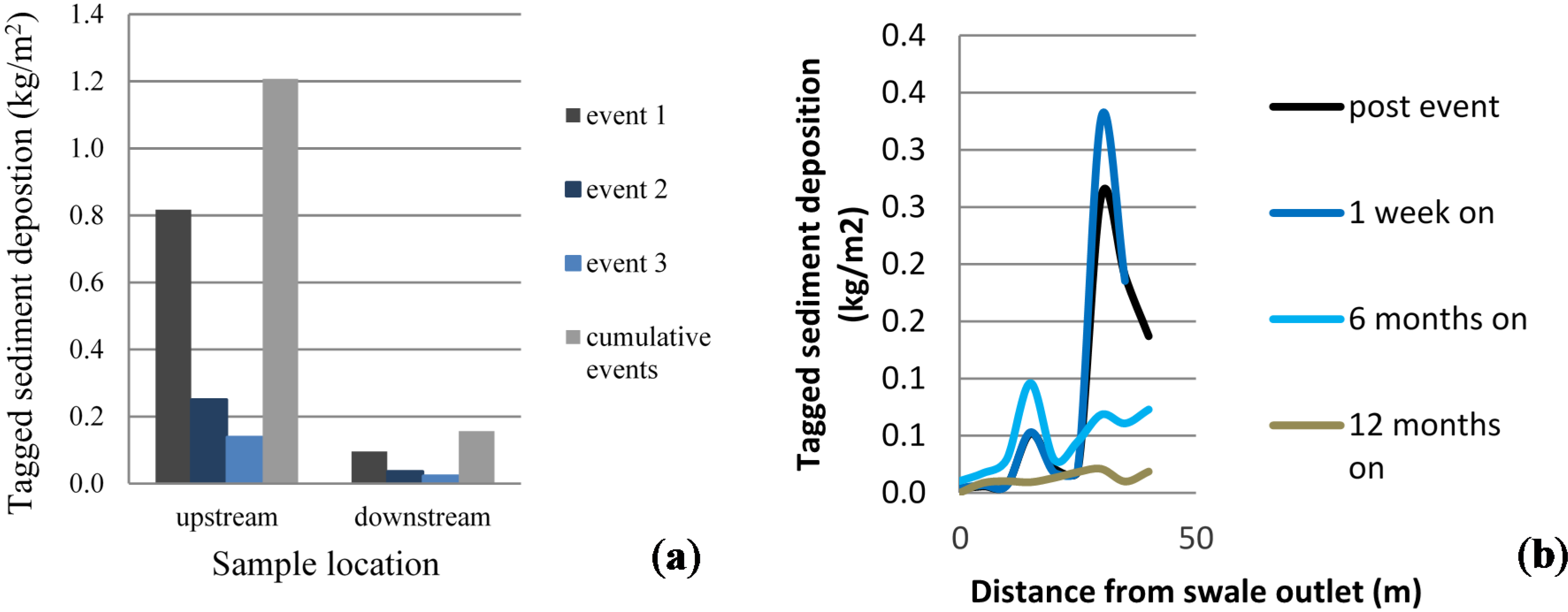
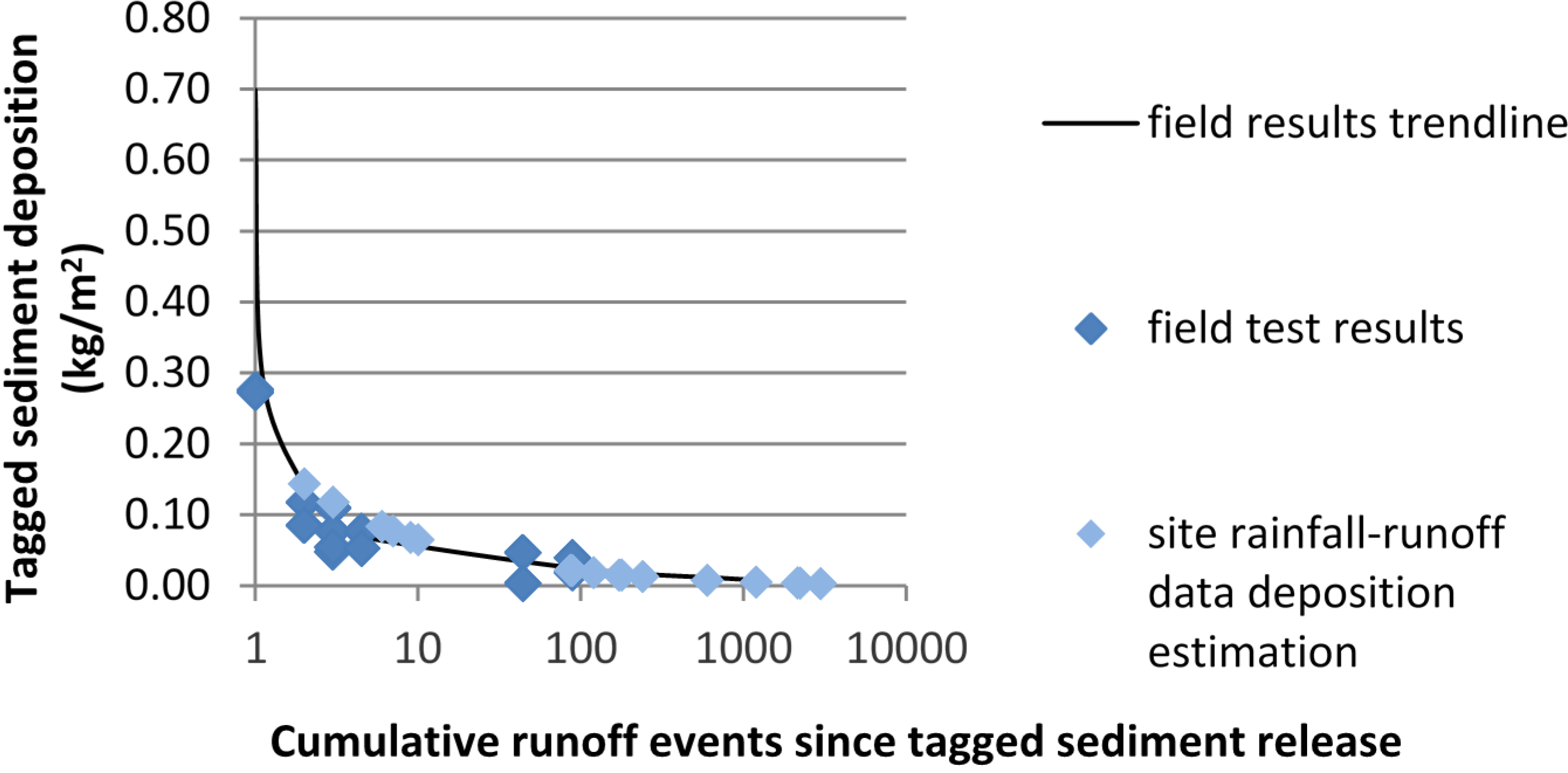
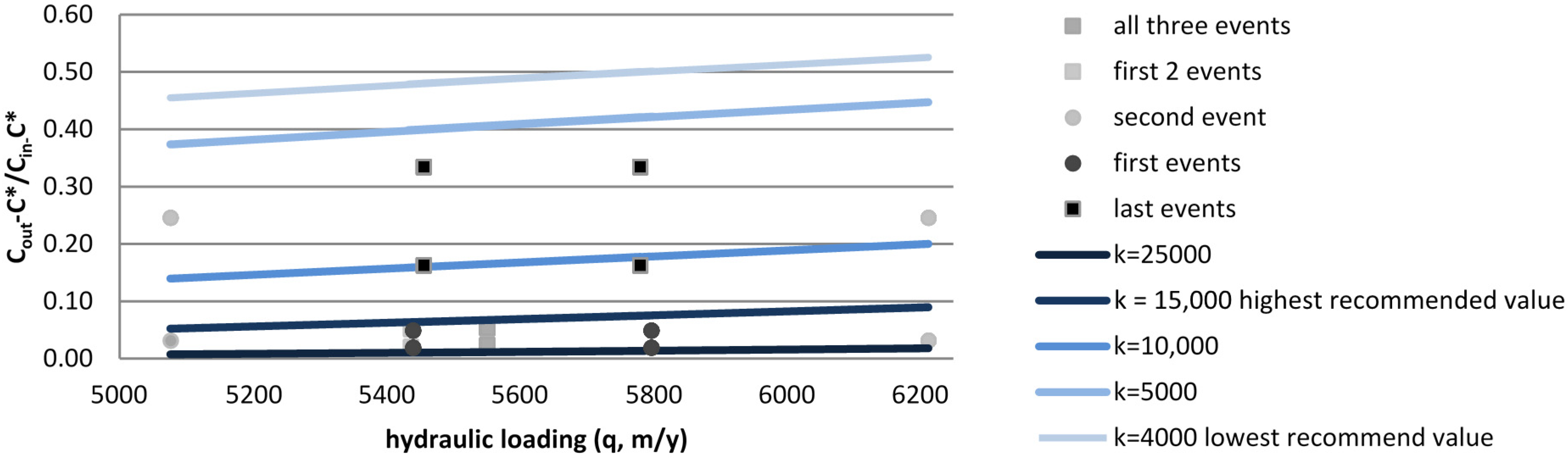
Vegetated swales are an accepted and commonly implemented sustainable urban drainage system in the built urban environment. Laboratory and field research has defined the effectiveness of a vegetated swale in sediment detention during a single rainfall-runoff event. Event mean concentrations of suspended and bed load sediment have been calculated using current best analytical practice, providing single runoff event specific sediment conveyance volumes through the swale. However, mass and volume of sediment build up within a swale over time is not yet well defined. This paper presents an effective field sediment tracing methodology and analysis that determines the quantity of sediment deposited within a swale during initial and successive runoff events. The use of the first order decay rate constant, k, as an effective pollutant treatment parameter is considered in detail. Through monitoring tagged sediment deposition within the swale, the quantity of sediment that is re-suspended, conveyed, re-deposited or transported out of the swale as a result of multiple runoff events is illustrated. Sediment is found to continue moving through the vegetated swale after initial deposition, with ongoing discharge resulting from resuspension and conveyance during subsequent runoff events. The majority of sediment initially deposited within a swale is not detained long term or throughout its design life of the swale. View Full-Text
 Figures
This is an open access article distributed under the Creative Commons Attribution License which permits unrestricted use, distribution, and reproduction in any medium, provided the original work is properly cited. (CC BY 4.0).

For further details log on website :
http://www.mdpi.com/2073-4441/7/3/1046

Setting Priorities for Urban Forest Planning. A Comprehensive Response to Ecological and Social Needs for the Metropolitan Area of Rome (Italy)

Sustainability 20157(4), 3958-3976; doi:10.3390/su7043958

Author 


Department of Environmental Biology, Sapienza University of Rome, P.le Aldo Moro 5, Rome 00185, Italy
*
Author to whom correspondence should be addressed. 
Academic Editor: Steffen Lehmann
Received: 21 January 2015 / Revised: 19 March 2015 / Accepted: 31 March 2015 / Published: 3 April 2015
(This article belongs to the Special Issue Sustainable Urban Development)
View Full-Text   |     Download PDF [9130 KB, uploaded 3 April 2015]   |      

Abstract 

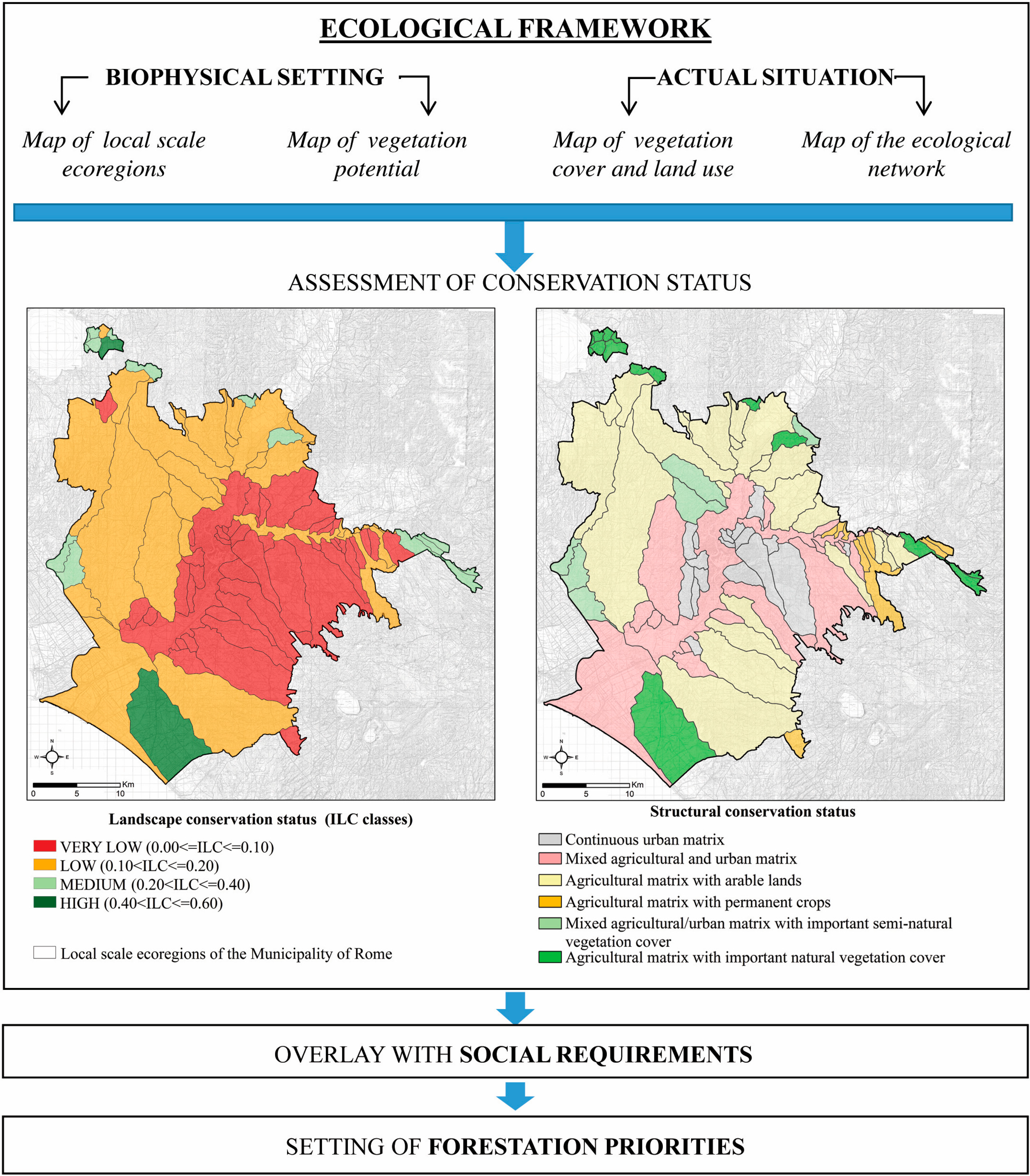
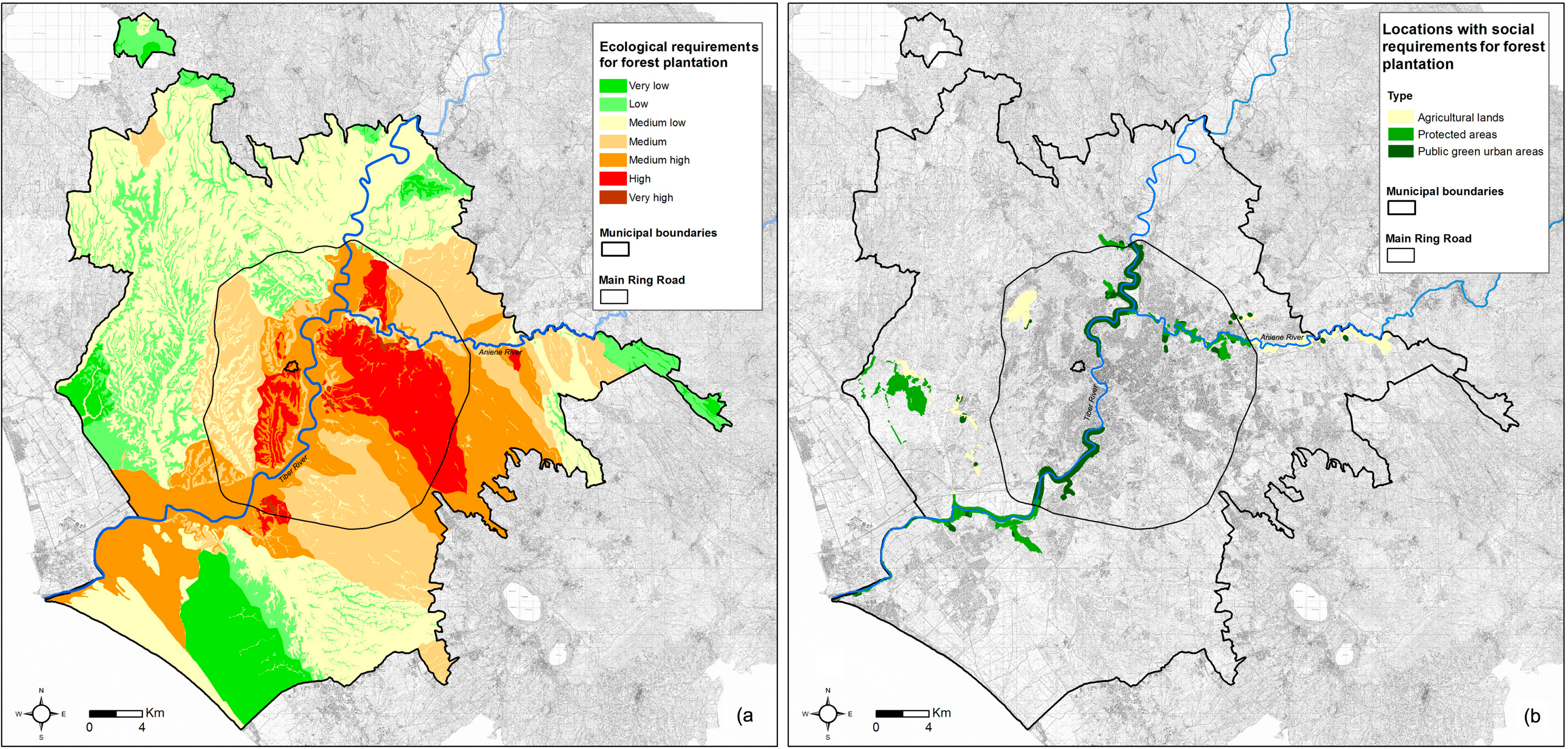
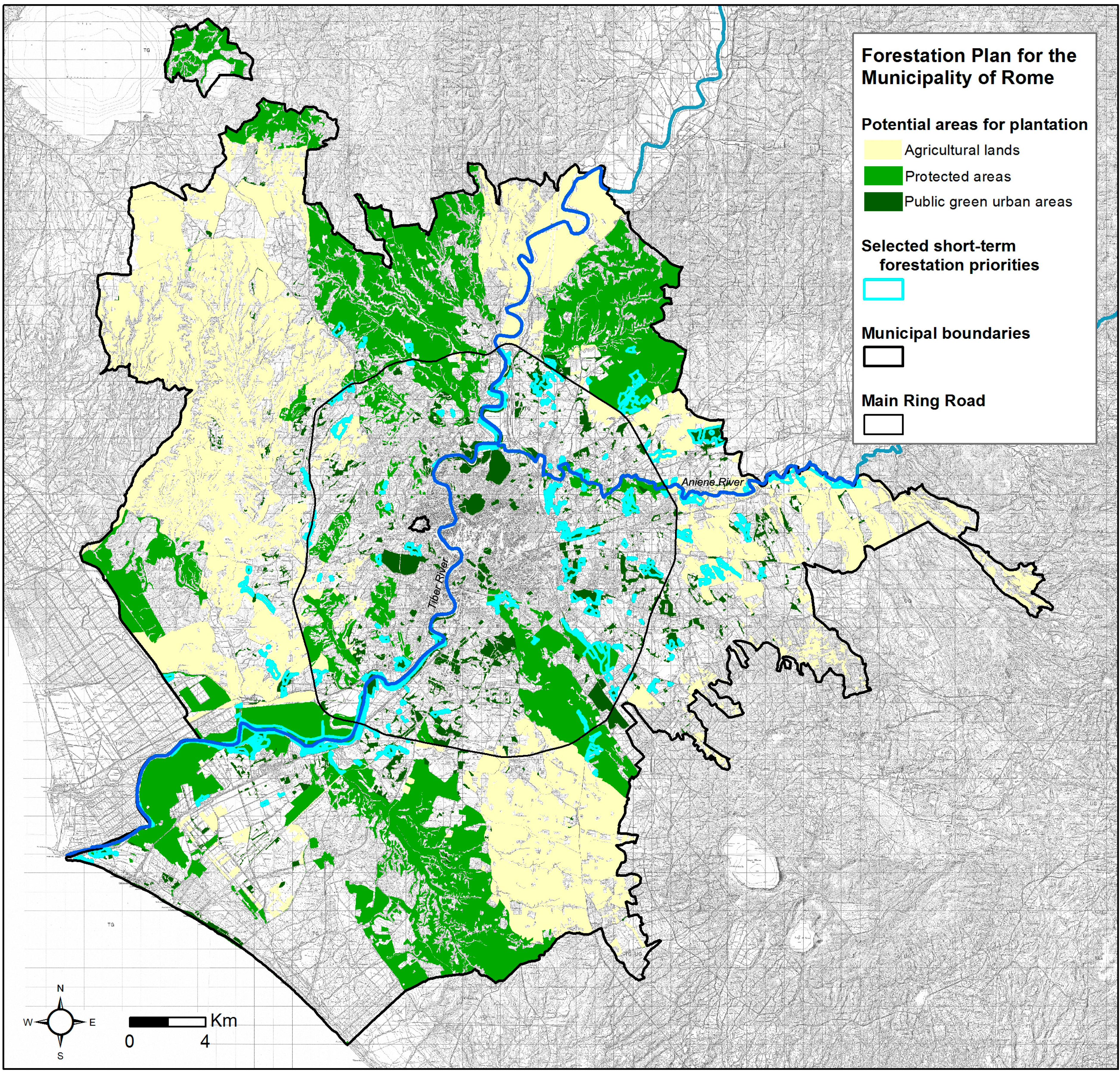
Urban forests represent key elements of green infrastructure and provide essential ecosystem services in both the ecological and social spheres. Therefore, forestation planning plays a decisive role in the sustainable development strategies of metropolitan areas and addresses the challenge of maintaining biodiversity while improving human health and well-being. The aim of this work is to present a methodological approach that can be used to identify priorities in urban forest planning and can provide comprehensive responses to ecological and social needs in any metropolitan context. The approach, which is based on interdisciplinary principles of landscape ecology, ecosystem geography and dynamic plant sociology, has been adopted in the Municipality of Rome (Italy). The first step entails defining an ecological framework for forestation plans by means of the ecological land classification and assessment of landscape conservation status. The second step entails setting forestation priorities according to both ecological and social criteria. The application of the method proved to effectively select limited areas requiring intervention within an extensive metropolitan area. Furthermore, it provided responses to sustainability issues such as long-term maintenance of restored habitats, landscape perspective of planning, greening of urban agriculture, improvement in urban resilience, and cost-effective improvement in ecosystem services provision. View Full-Text
This is an open access article distributed under the Creative Commons Attribution License which permits unrestricted use, distribution, and reproduction in any medium, provided the original work is properly cited. (CC BY 4.0).

For further details log on website :
http://www.mdpi.com/2071-1050/7/4/3958

A Review of Applicability and Effectiveness of Low Impact Development/Green Infrastructure Practices in Arid/Semi-Arid United States

Environments 20152(2), 221-249; doi:10.3390/environments2020221

Author 

 1
 1, and  2

1
Environmental Protection Agency Office of Research and Development, Environmental Sciences Division, 944 East Harmon Ave., Las Vegas, NV 89119, USA
2
Urban Drainage and Flood Control District, 2480 W 26th Ave, Suite 156-B, Denver, CO 80211, USA
*
Author to whom correspondence should be addressed. 
Academic Editor: Yu-pin Lin
Received: 25 February 2015 / Revised: 29 April 2015 / Accepted: 5 May 2015 / Published: 8 June 2015
View Full-Text   |     Download PDF [940 KB, uploaded 9 June 2015]   |      

Abstract 

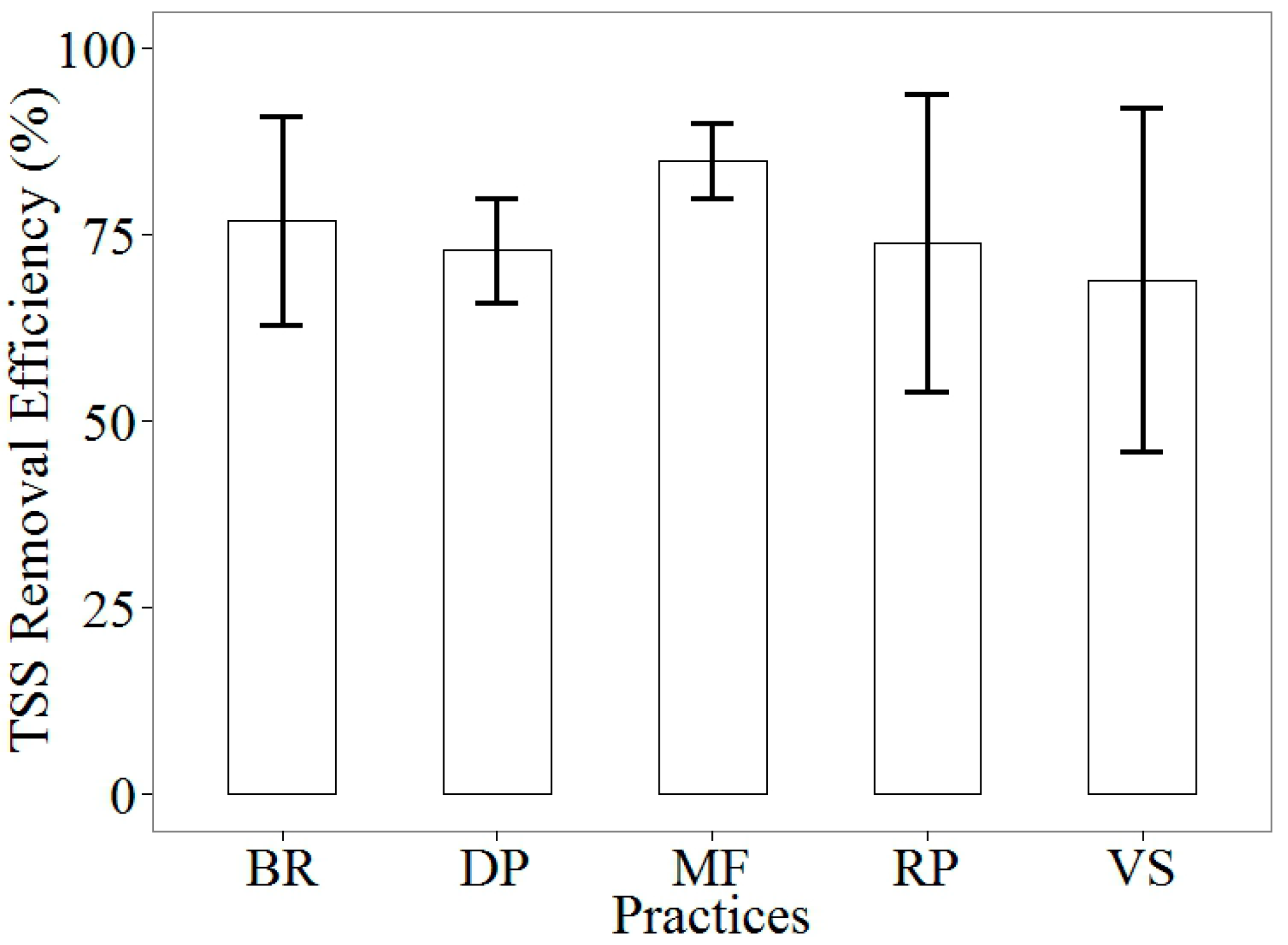
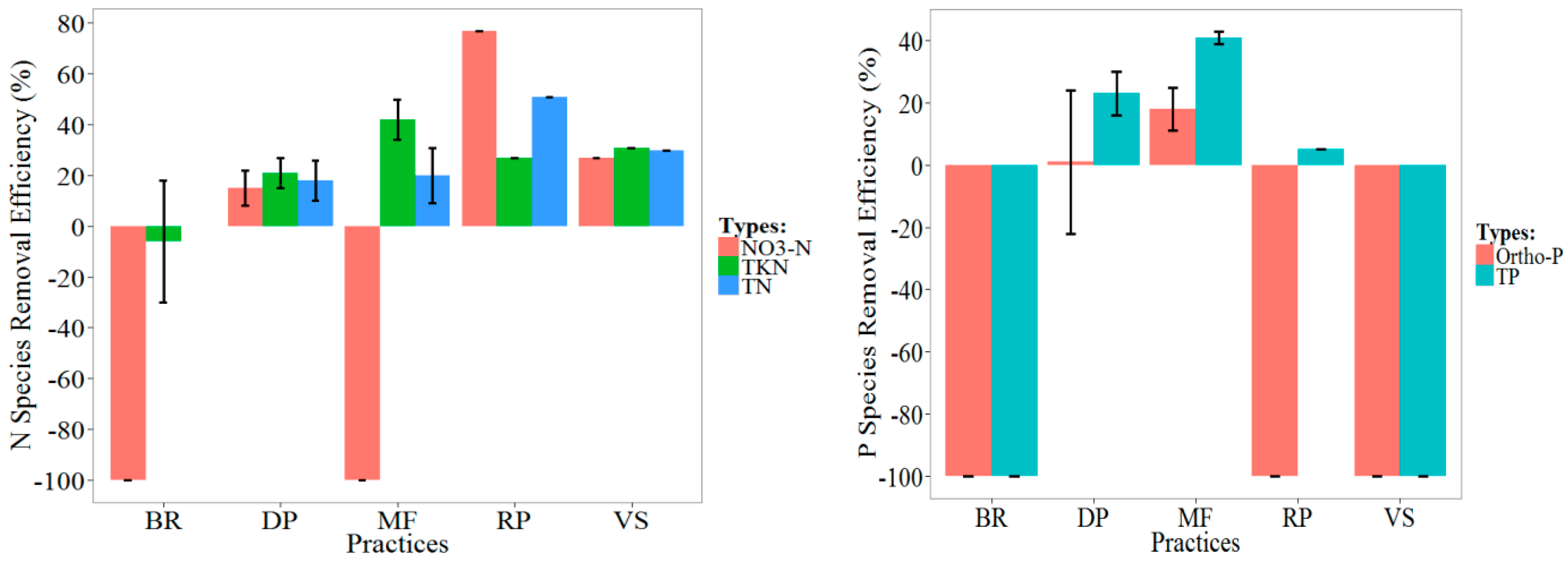
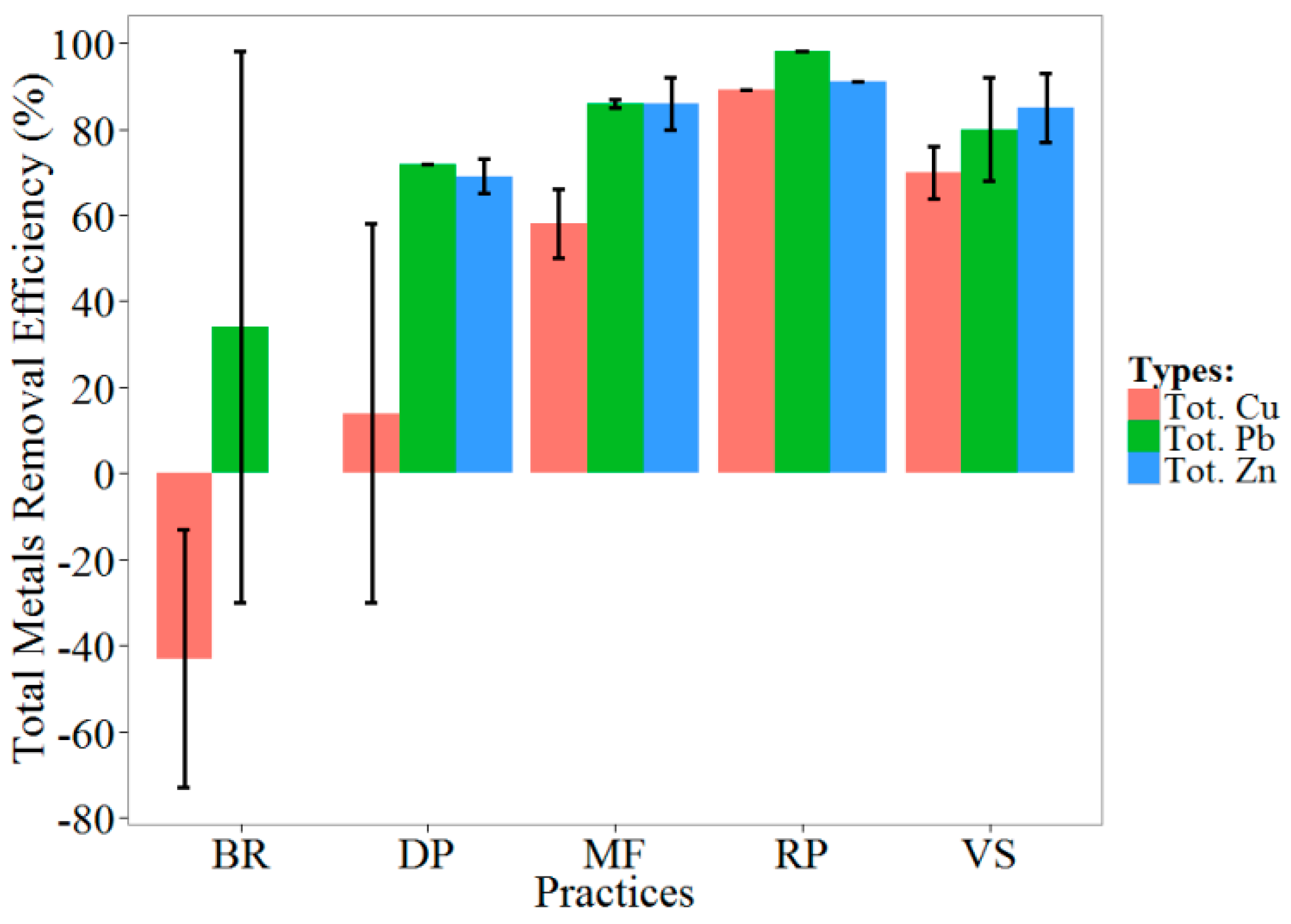
Urbanized areas of the southwestern/western United States are among the fastest growing in the nation and face multiple water resource challenges. Low impact development (LID)/green infrastructure (GI) practices are increasingly popular technologies for managing stormwater; however, LID is often not as common in the southwest/west due to the lack of regulatory and/or economic drivers. There is also a lack of performance evaluation of these practices, particularly at the field scale. This study focused on investigating the hydrologic and pollutant removal performance of field-scale LID/GI systems in arid/semi-arid climates. Nine typical practices were reviewed: rainwater harvest system, detention pond, retention pond, bioretention, media filter, porous pavement, vegetated swale/buffer/strip, green roof, and infiltration trench, as well as integrated LIDs. We evaluate these practices by a cost-effectiveness analysis and also recommend best practices for the arid/semi-arid area. The analysis provides data support and insights for future implementation of LID/GI in the southwest/west. View Full-Text
This is an open access article distributed under the Creative Commons Attribution License which permits unrestricted use, distribution, and reproduction in any medium, provided the original work is properly cited. (CC BY 4.0).

For further details log on website :
http://www.mdpi.com/2076-3298/2/2/221

Trees in Canadian Cities: Indispensable Life Form for Urban Sustainability

Sustainability 20157(6), 7379-7396; doi:10.3390/su7067379

Author 


1
School for Resource and Environmental Studies, Dalhousie University, 6100 University Ave., Halifax, NS B3H 4R2, Canada
2
Environmental Applied Science and Management, Ryerson University, Toronto, ON M5B 2K3, Canada
3
Geography and Program in Planning, University of Toronto, Toronto, ON M5S 3G3, Canada
*
Author to whom correspondence should be addressed. 
Academic Editors: Tan Yigitcanlar and Md. Kamruzzaman
Received: 25 March 2015 / Revised: 1 June 2015 / Accepted: 3 June 2015 / Published: 9 June 2015
(This article belongs to the Special Issue Planning, Development and Management of Sustainable Cities)
View Full-Text   |     Download PDF [401 KB, uploaded 9 June 2015]

Abstract 

We argue that a healthy urban forest contributes immensely to the sustainability of cities. The argument is based on a comprehensive array of values elicited from Canadians in several cities. To begin, we define the urban forest as inclusive of all the trees in the city and thus representing the predominant contributor to a city’s green infrastructure. Then we enumerate and explain the broad diversity of ways in which urban people value trees in the city. We, thus, show the myriad pathways by which trees contribute positively to any city’s social, economic, and ecological sustainability. Following a short summary of the ways in which trees may detract from people’s quality of life, we present promising management directions for urban-forest improvement, as we understand the situation in Canada. We conclude that all cities can enhance their sustainability by improving the urban forest. View Full-Text
This is an open access article distributed under the Creative Commons Attribution License which permits unrestricted use, distribution, and reproduction in any medium, provided the original work is properly cited. (CC BY 4.0).

For further details log on website :
http://www.mdpi.com/2071-1050/7/6/7379

Sustainable Urban Transport in the Developing World: Beyond Megacities

Sustainability 20157(6), 7784-7805; doi:10.3390/su7067784

Author 

 1, and  2,

1
School of Geography, Planning and Environmental Management, The University of Queensland, Brisbane 4072 QLD, Australia
2
Faculty of Architecture and the Built Environment, Delft University of Technology, Delft 2628 BL, The Netherlands
*
Authors to whom correspondence should be addressed. 
Academic Editors: Tan Yigitcanlar and Md. Kamruzzaman
Received: 3 March 2015 / Revised: 11 June 2015 / Accepted: 12 June 2015 / Published: 17 June 2015
(This article belongs to the Special Issue Planning, Development and Management of Sustainable Cities)
View Full-Text   |     Download PDF [250 KB, uploaded 17 June 2015]

Abstract 

Megacities have frequently received a disproportionate amount of attention over other sizes of cities in recent discourse on urban sustainability. In this article, the authors argue that a focus on smaller and medium-sized cities is crucial to achieving substantial progress towards more sustainable urban development, not only because they are home to at least a quarter of the world’s population but because they also offer great potential for sustainable transformations. In principle, their size allows for flexibility in terms of urban expansion, adoption of “green” travel modes, and environmental protection. At the same time, smaller and medium-sized cities often have fewer resources to implement new transport measures and can be more vulnerable to fluctuations in the world economy. This article critically reviews the potential role and impact of nine commonly considered options for sustainable urban transport in cities in developing countries: (1) road infrastructure; (2) rail-based public transport; (3) road-based public transport; (4) support for non-motorized travel modes; (5) technological solutions; (6) awareness-raising campaigns; (7) pricing mechanisms; (8) vehicle access restrictions; and (9) control of land-uses. Drawing on international research and examples of policies to reduce the environmental impacts of transport in urban areas, this article identifies some key lessons for sustainable urban transport in smaller and medium-sized cities in developing countries. These lessons are certainly not always identical to those for megacities in the global south. View Full-Text
This is an open access article distributed under the Creative Commons Attribution License which permits unrestricted use, distribution, and reproduction in any medium, provided the original work is properly cited. (CC BY 4.0).

For further details log on website :
http://www.mdpi.com/2071-1050/7/6/7784

Attitudes of Citizens towards Urban Parks and Green Spaces for Urban Sustainability: The Case of Gyeongsan City, Republic of Korea

Sustainability 20157(7), 8240-8254; doi:10.3390/su7078240

Author 

 1
 and 
 2,

1
Division of Environmental Science and Ecological Engineering, Korea University, Seoul 136-701, Korea
2
Department of Forest Resources and Landscape Architecture, Yeungnam University, 280 Daehakro, Gyeongsan-si, Gyeongsangbuk-do 712-749, Korea
*
Author to whom correspondence should be addressed. 
Academic Editor: Vincenzo Torretta
Received: 31 March 2015 / Revised: 17 June 2015 / Accepted: 18 June 2015 / Published: 25 June 2015
(This article belongs to the Special Issue Sustainability of Resources)
View Full-Text   |     Download PDF [143 KB, uploaded 25 June 2015]   |      

Abstract 

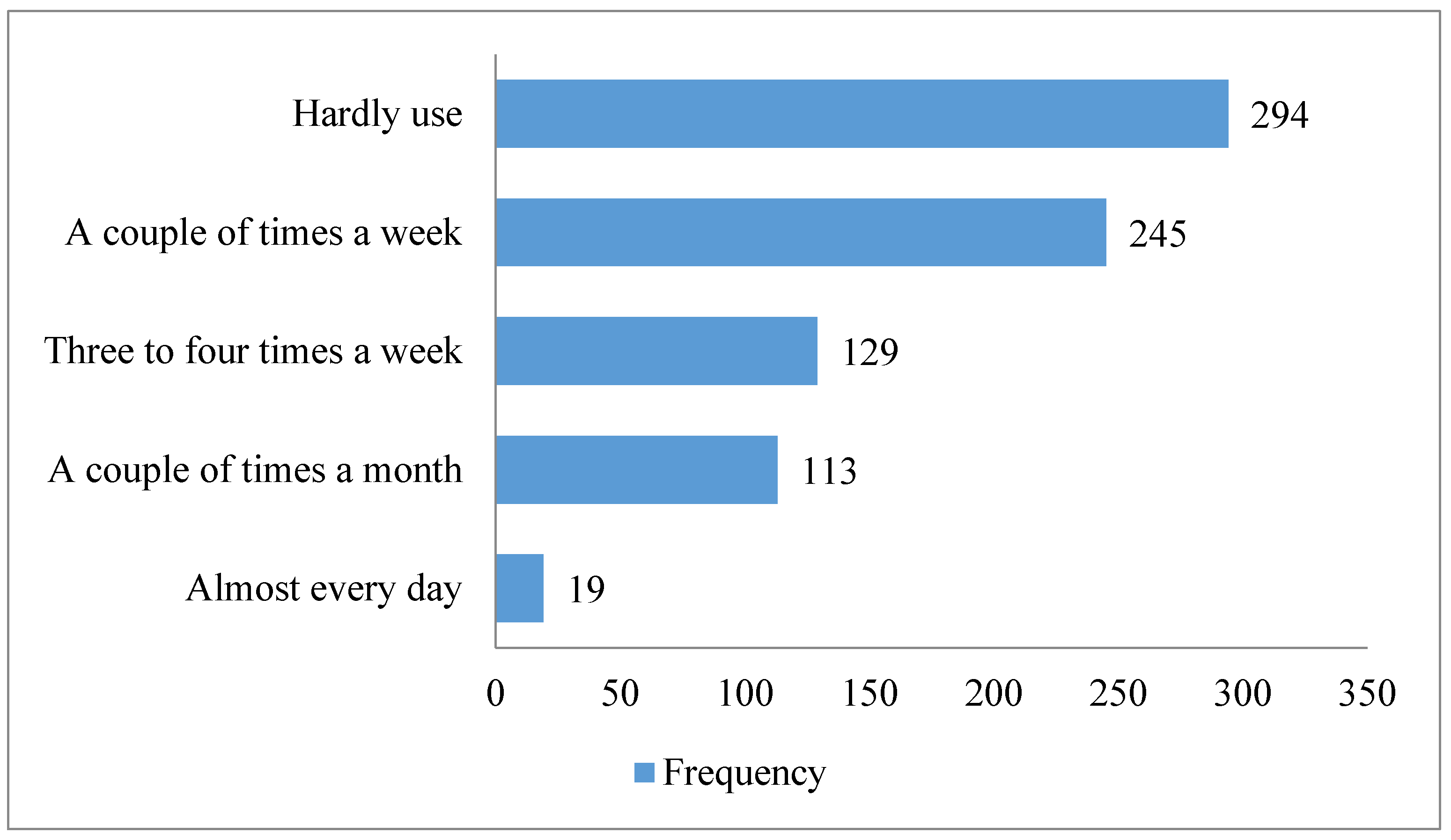
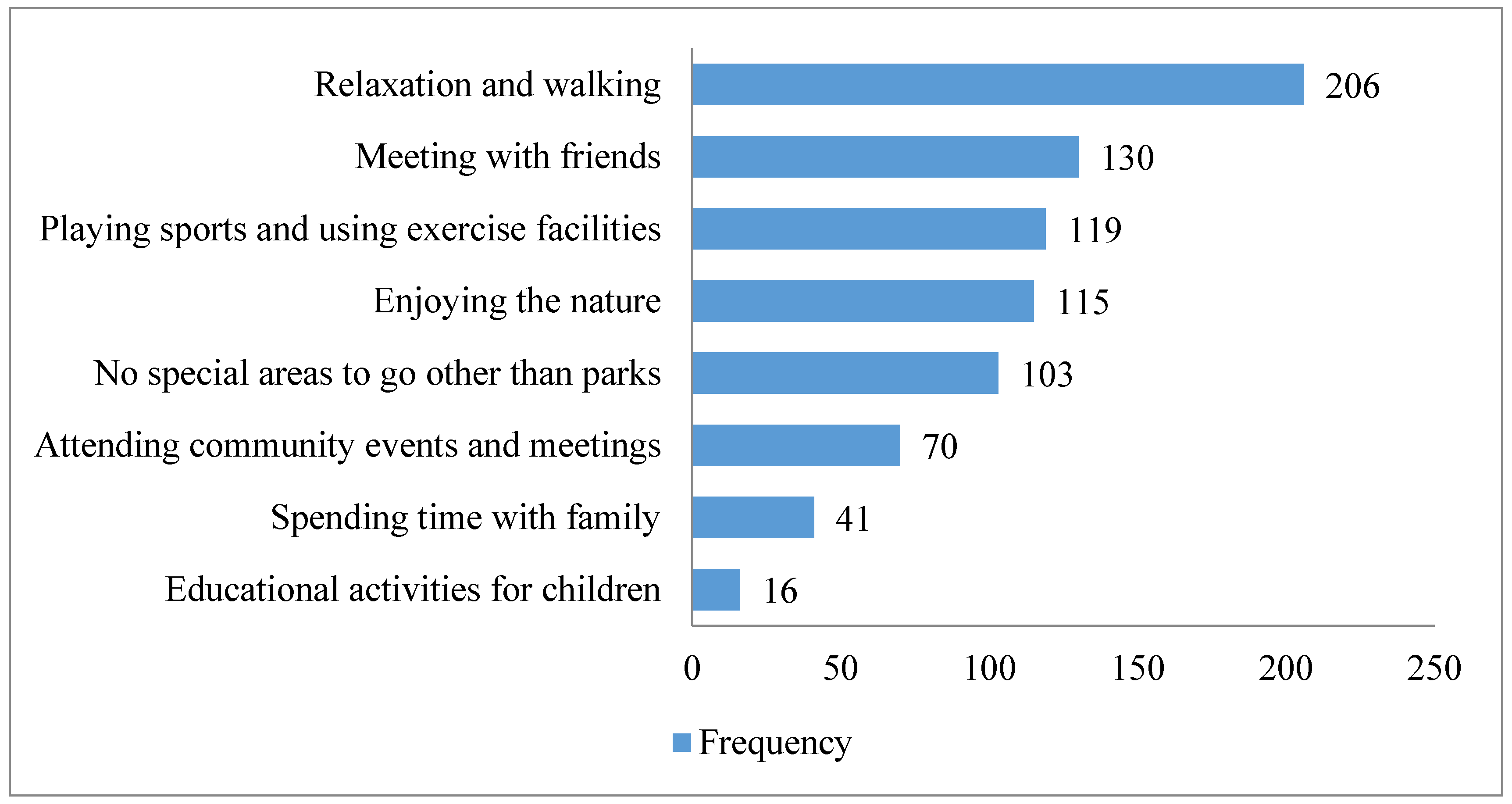
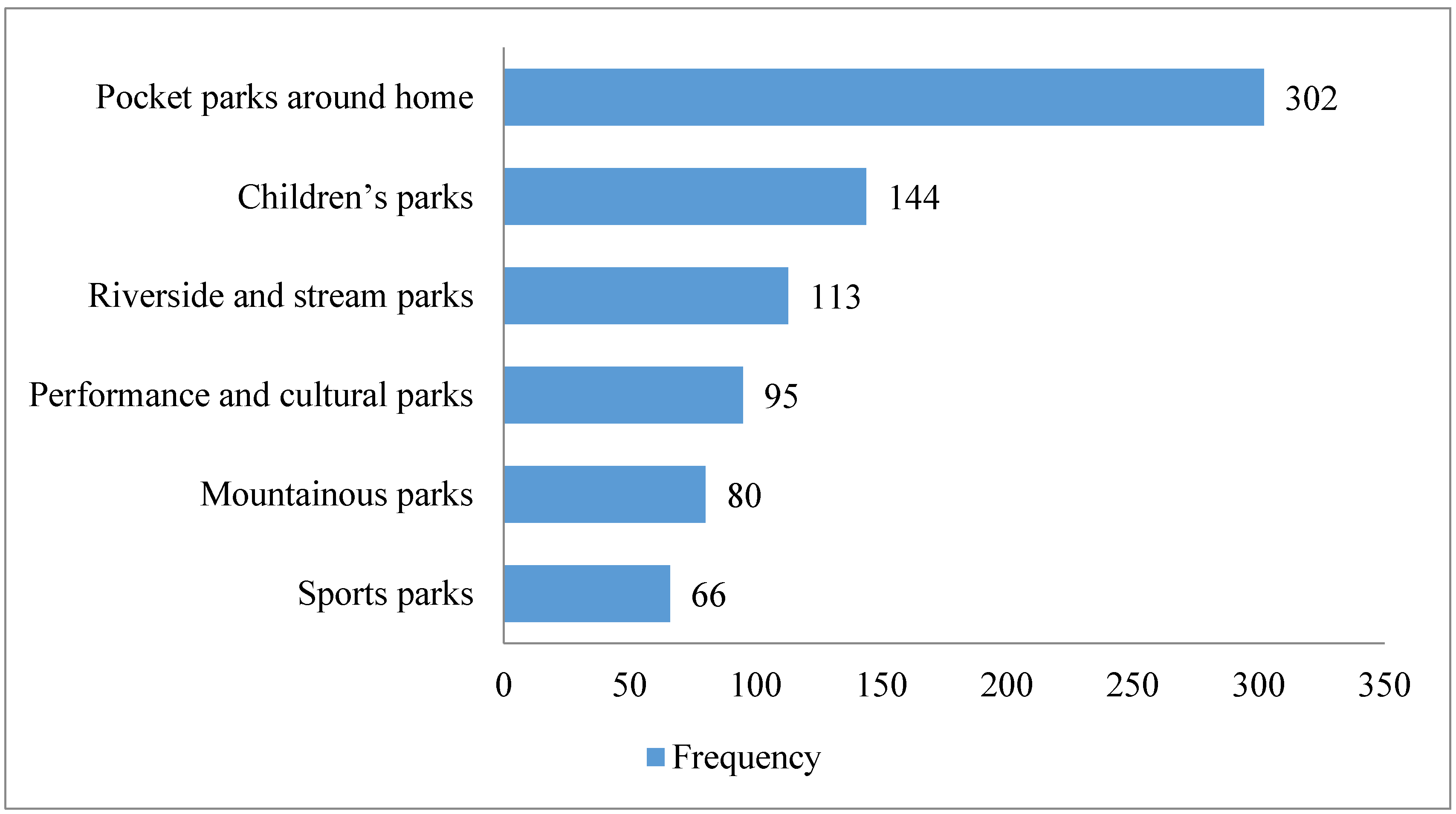
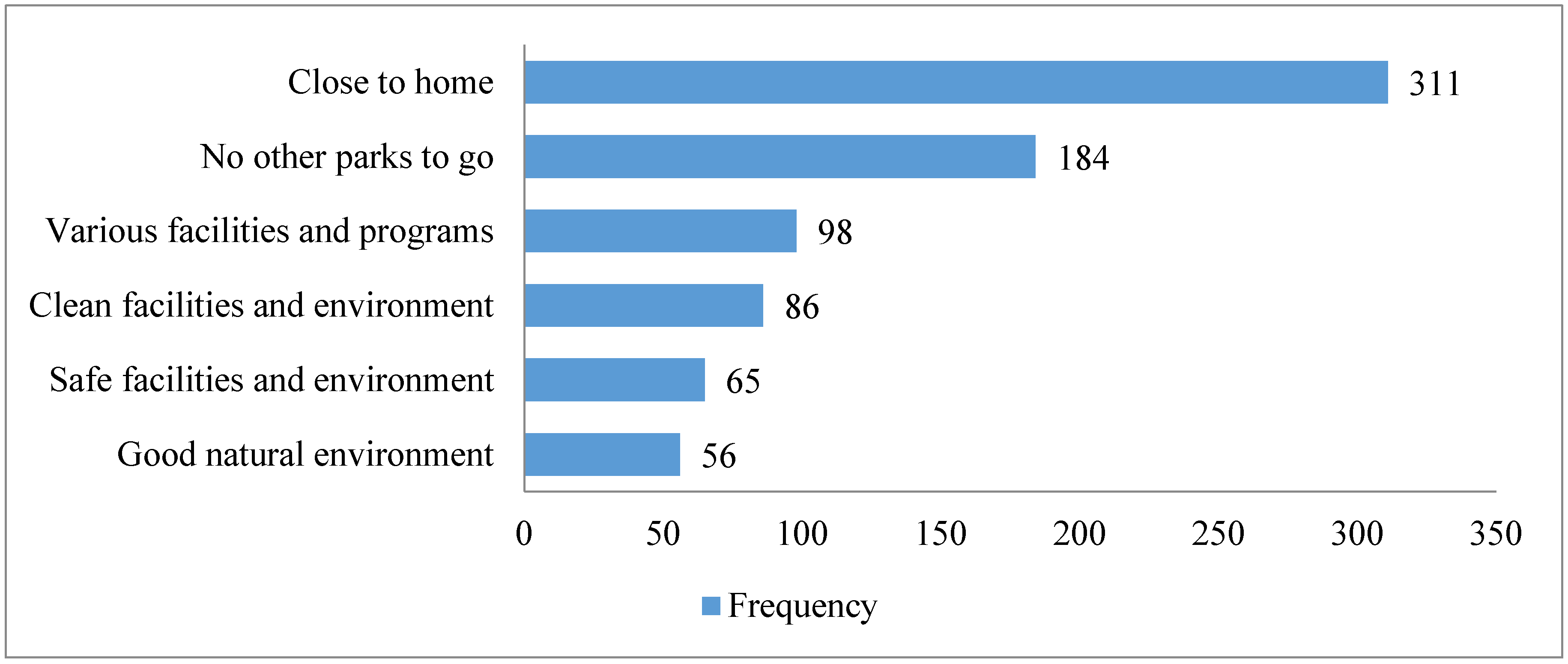
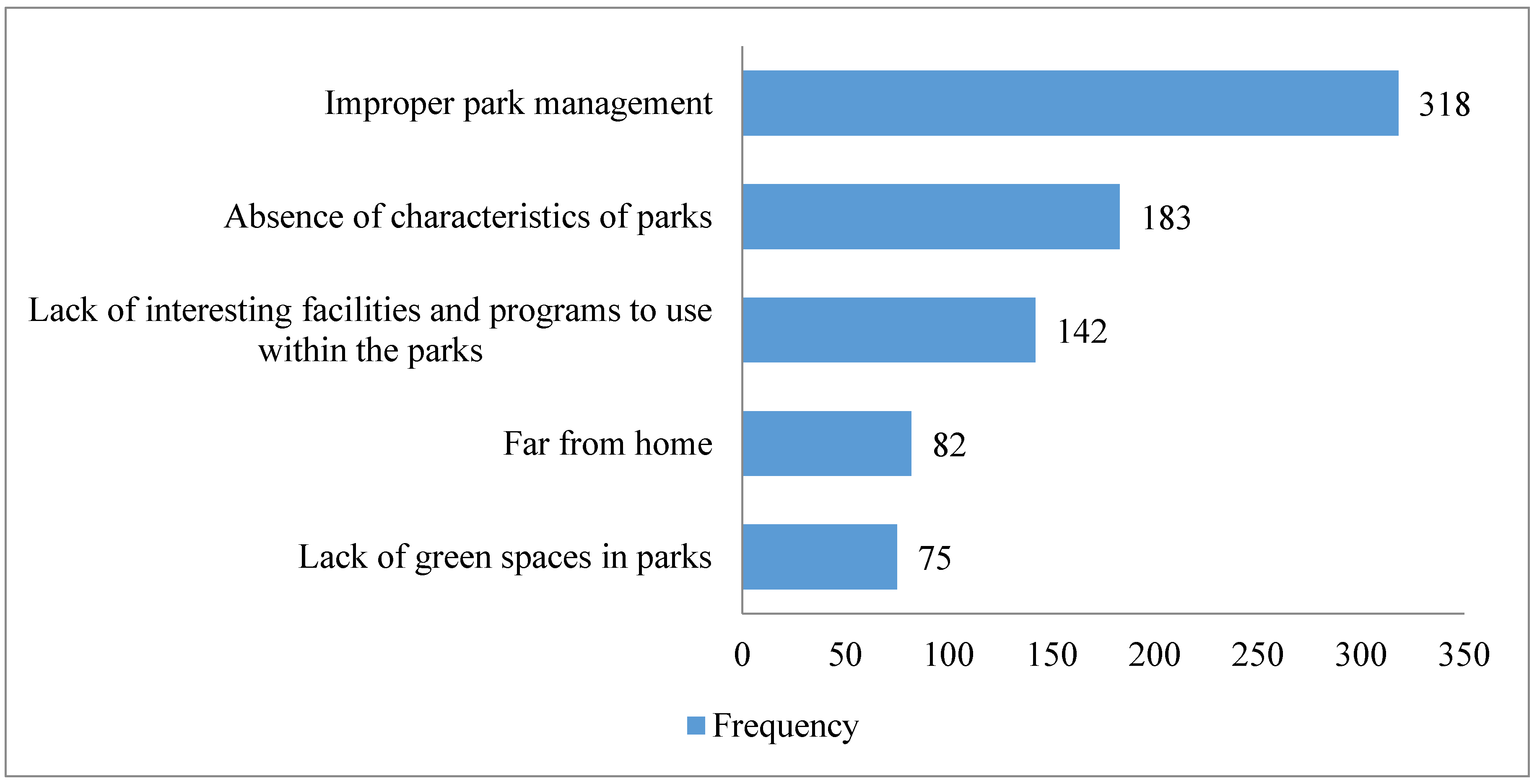
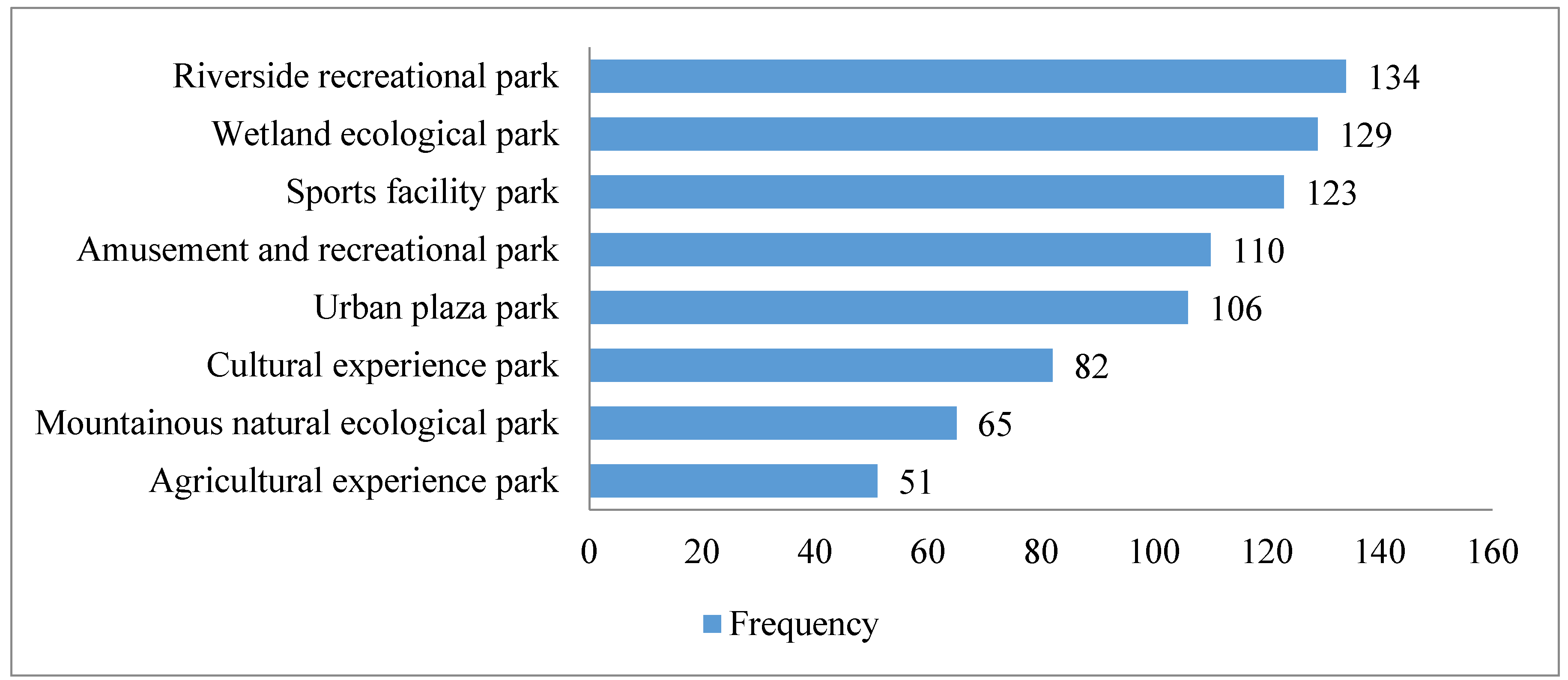
Urban parks and green spaces support a wide array of species and play an important role in long-term sustainability. This study analyzed the needs and attitudes of citizens towards urban parks and green spaces in order to provide information for setting the future direction of urban sustainability to maximize quality of life. A questionnaire survey was conducted to analyze the general characteristics of respondents and their awareness of parks and spaces. First, the results indicate that the main purpose of visiting parks was relaxation and walking. Second, the type of parks visited most frequently by the respondents was pocket parks around home. Third, the main reason for going to the frequently visited parks was “close to home”. Fourth, the major reason for visiting parks infrequently was “improper park management”. Fifth, the desired types of urban parks were relaxation parks close to natural rivers. Sixth, citizens wanted to participate in the expansion projects of parks and green spaces through non-profit civic organizations or volunteer activities. Further research with a comparative analysis among different cities will be necessary to generalize Korean attitudes to urban parks and green spaces for urban sustainability. View Full-Text
This is an open access article distributed under the Creative Commons Attribution License which permits unrestricted use, distribution, and reproduction in any medium, provided the original work is properly cited. (CC BY 4.0).

For further details log on website :
http://www.mdpi.com/2071-1050/7/7/8240

Advantages and Disadvantages of Fasting for Runners

Author BY   ANDREA CESPEDES  Food is fuel, especially for serious runners who need a lot of energy. It may seem counterintuiti...