Blog List

Wednesday, 16 March 2016

Iron Levels & Hair Loss in Women

A deficiency of the mineral iron is a common cause of hair loss in women. If you have low iron levels from your diet, you may develop iron deficiency anemia, which can lead to thinning hair and other adverse side effects. To help prevent this, ask your doctor about consuming more iron-rich foods, as well as taking a supplement if necessary. Tell him about your hair loss concerns and any other symptoms you experience.
Iron Levels & Hair Loss in Women

Low iron levels can result in hair loss in women. Photo Credit moodboard/moodboard/Getty Images

Function of Iron

The majority of the iron in your body is in your red blood cells, and your body uses this mineral to produce these cells, as well as the blood proteins hemoglobin and myoglobin. These proteins transport oxygen throughout your system, and without an adequate amount of oxygen, your cells cannot function properly. According to the World Health Organization, as much as 80 percent of the world’s population may have an iron deficiency.

Iron Deficiency Anemia

Iron deficiency anemia occurs when your body does not get enough iron and therefore cannot produce an adequate amount of red blood cells. This in turn causes your cells to become deficient in oxygen. In general, women are at a greater risk for developing this condition, due to the blood loss that occurs during menstruation. Along with hair loss, iron deficiency anemia may occur with symptoms such as pale skin, fatigue, headaches, irritability, cold hands and feet, brittle nails, a poor appetite and weakness.

Prevention

You can reduce your chances of developing iron deficiency anemia and the hair loss that comes with it by making sure you get an adequate amount of this mineral in your diet. Your body absorbs iron more readily from animal sources like organ meats, lean red meat, poultry, salmon and tuna. You can also get iron from plant sources, such as dried beans, dried fruit, whole grains and spinach, as well as cereals that have been fortified with the mineral. Your physician might also recommend that you take a supplement to meet the RDA, which is 18 milligrams for women between 19 and 51, and 27 milligrams for pregnant women.

Additional Considerations

Before you begin consuming more iron, talk to your doctor. High iron levels can be dangerous as well and may result in liver damage and skin discolorations. If you experience sudden or inexplicable hair loss, seek medical attention before you attempt to self-diagnose. Tell your health care provider about all of the symptoms you experience along with hair thinning, if any, and ask what steps can be taken to help correct this. Keep in mind that hair loss can also be a natural part of aging and will therefore not be preventable.
www.livestrong.com

High-Protein Vegan Diet

High-Protein Vegan Diet
A close-up of chopped vegetables and herbs being tossed in a bowl. Photo Credit Minerva Studio/iStock/Getty Images
A vegan diet is a strict vegetarian diet that contains no animal products at all. Since meat provides a great deal of protein, a vegan diet may provide less protein than a meat-based diet or a vegetarian diet that includes eggs or dairy products. More importantly, the quality of protein in a vegan diet may not be as high as in other diets. If you plan your meals to include a wide variety of plant foods, however, it is possible to have a relatively high-protein vegan diet.

Protein Needs

The human body must get certain essential amino acids from the diet in order to make all the different types of protein it needs to function and stay healthy. With the exception of soybeans, individual plant foods do not contain all of the essential amino acids provided by animal products. A vegan diet that includes a wide variety of plant foods, however, should provide enough different types of amino acids for the body to build ample amounts of high-quality protein every day.

Vegetable Proteins

High-Protein Vegan Diet
Two fajitas on a plate filled with tofu, peppers, and onions. Photo Credit -lvinst-/iStock/Getty Images
In addition to fruits and vegetables, which contribute small amounts of protein, a high-protein vegan diet includes different types of whole grain products; legumes such as beans, split peas and lentils; soybeans and soy products; and nuts and seeds. Some vegans enjoy getting their protein from meat substitutes, or meat analogs, which are products most often made from soy or wheat gluten that taste and look something like meat.

High-Protein Foods

High-Protein Vegan Diet
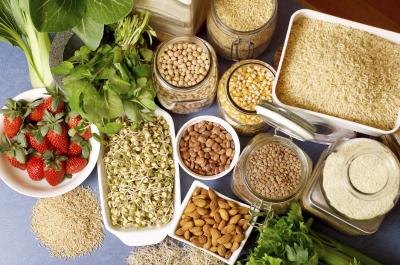
A high-angle view of various bowls of rice, grains, legumes, and nuts. Photo Credit Steve Lovegrove/iStock/Getty Images
Common grains that contribute protein to a vegan diet include wheat, rice, corn, oats, rye, barley and millet. Whole grain protein comes from breads, muffins, pancakes, pastas, hot and cold cereals, side dishes and other foods made with these grains. Black beans, white beans, pink beans, pinto beans, black-eye peas, garbanzo beans or chick peas, brown lentils, green lentils, red lentils and yellow or green split peas are all good examples of legumes used in a high-protein vegan diet. Soybean products include edamame -- green soybeans, tofu, tempeh -- fermented soybeans, soy milk, soy cheeses, soy yogurt and soy nut snacks. Almonds, walnuts, peanuts, nut butters, sunflower seeds and pumpkin seeds also contribute protein to a vegan diet.

Protein Contents

High-Protein Vegan Diet
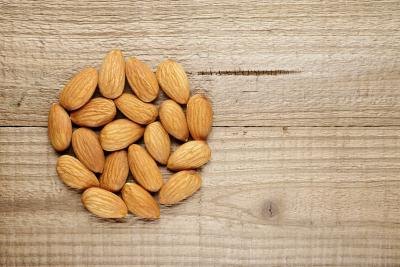
A handful of almonds on a wooden surface. Photo Credit windujedi/iStock/Getty Images
The average, healthy, nonpregnant adult needs to consume 0.4 to 0.5 grams of protein per pound of body weight each day. That translates to about 52 grams of protein daily for someone who weighs 130 pounds. To put that figure in perspective, note that the protein content of a 1/2-cup serving of tofu or an 8-ounce serving of soy milk is 10 grams; 1/2-cup cooked edamame is 11 grams; 1/2-cup servings of cooked dried beans such as black, kidney or garbanzo beans are 8 grams; a 1/2-cup serving of almonds is 15 grams; a 1-cup serving of cooked regular pasta is 7 grams; 2 tablespoons of wheat germ is 4 grams; and 1-cup of cooked instant oatmeal is 6 grams.

Health Benefits

High-Protein Vegan Diet
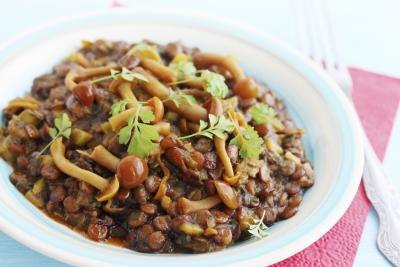
A dish of lentil stew with mushrooms and watercress. Photo Credit Mallivan/iStock/Getty Images
A vegetarian diet, including a well-planned vegan diet, can help control obesity and prevent and manage chronic diseases such as cancer, heart disease and diabetes, according to a position paper released by the Academy of Nutrition and Dietetics. The Academy also reported that vegetarian diets tend to be lower in saturated fat and cholesterol and higher in certain vitamins, minerals and fiber.


www.livestrong.com

Natural Sources of Omega 3


Natural Sources of Omega 3
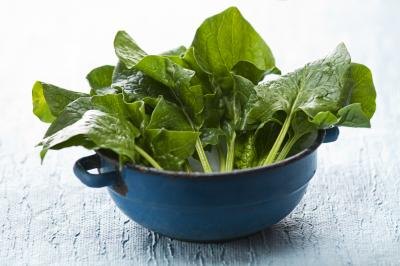
A bowl of fresh spinach. Photo Credit Dušan Zidar/iStock/Getty Images

Overview

Essential nutrients cannot be synthesized by your body, so they have to be obtained through your diet. Omega-3 fatty acids, such as alpha-linolenic acid, are essential polyunsaturated fats that may have several health benefits. Your body converts alpha-linolenic acid into docosahexaenoic acid, known as DHA and eicosapentaenoic acid, known as EPA. According to the National Institutes of Health Office of Dietary Supplements, Omega-3 fatty acids decrease cardiovascular disease outcomes such as cardiac death and myocardial infarction, lower triglycerides and reduce joint tenderness in rheumatoid arthritis. Natural omega-3 fatty acids can be found in several foods.
Leafy Green Vegetables
Natural Sources of Omega 3
A bowl of fresh spinach. Photo Credit Dušan Zidar/iStock/Getty Images
Certain types of leafy green vegetables have modest amounts of omega-3 fatty acids. A 1/2 cup serving of fresh cooked spinach has 100 milligrams of omega-3. The same cooked serving size of kale, collard greens and dandelion greens also contain 100 milligrams of omega-3, according to Tufts University School of Medicine.

Eggs

Natural Sources of Omega 3
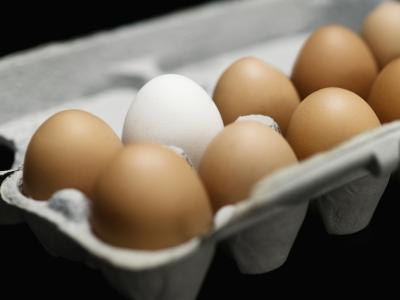
A carton of fresh eggs. Photo Credit Fuse/Fuse/Getty Images
A standard supermarket medium-sized egg, weighing approximately 50 grams, has 4 milligrams of EPA and 36 milligrams of DHA. It is possible to increase the omega-3 fatty acid levels in eggs by feeding chickens diets that are high in omega-3 nutrients such as flaxseed oil. For example, in one medium egg serving, Farm Pride Omega-3 Eggs have 270 milligrams of DHA, Organic DHA Omega-3 eggs have 150 milligrams of DHA and GoldEgg - Omega Choice had 260 milligrams of DHA. Read the nutrition information on the carton carefully to determine the serving size that was used to calculate omega-3 content because some brands advertise the amount that is in two eggs instead of one.

Fish


Natural Sources of Omega 3
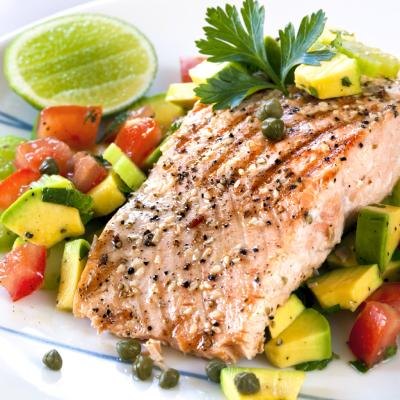
Grilled salmon with vegetables. Photo Credit Robyn Mackenzie/iStock/Getty Images

A good source of omega-3 fatty acids is salmon, which is widely available, and comes in both fresh wild and farmed, as well as in the can. A 3 1/2 ounce serving of Atlantic farmed has 862 milligrams of EPA and 1,104 milligrams of DHA, while Atlantic wild salmon has 321 milligrams of EPA and 1,115 milligrams of DHA. Canned sockeye salmon, drained but including both solids and bones, has 561 milligrams of EHA and 884 milligrams of DHA. Fresh bluefin tuna is also a good source, with 283 milligrams of EHA and 890mg of DHA.


Vegetable Oils

Natural Sources of Omega 3
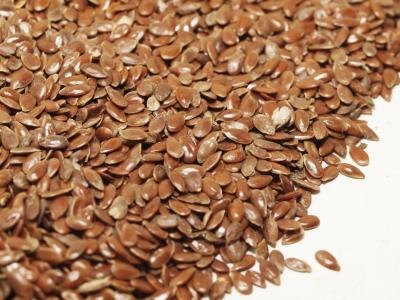
A close-up of flaxseeds. Photo Credit anakondasp/iStock/Getty Images
Some vegetable oils are rich in alpha-linolenic acids. Of all the vegetable oils, flaxseed oil has the highest concentration, with 53,300 milligrams per 100 grams of oil. Soybean oil has 6,789 milligrams and canola oil contains 9,137 milligrams of alpha-linolenic acid.

Nuts


Natural Sources of Omega 3
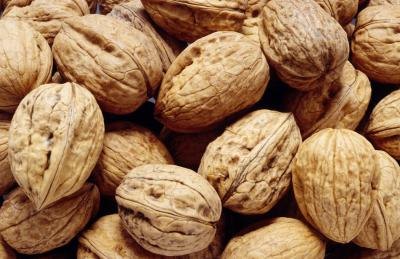
Walnuts in the shell. Photo Credit Goodshoot/Goodshoot/Getty Images

Certain nuts contain high levels of omega-3 fatty acids. For example, a 1-ounce serving of walnuts has 2.6 grams of omega-3 while dry roasted pecans have 300 milligrams. Poppy seeds, pistachio nuts, sesame seeds and pumpkin seeds all have 100 milligrams of omega-3 per 1-ounce serving.
www.livestrong.com

WILDLIFE

Wildlife traditionally refers to undomesticated animal species but has come to include all plants, fungi, and other organisms that grow or live wild in an area without being introduced by humans.
Wildlife can be found in all ecosystems. Deserts, forests, rain forests, plains, grasslands, and other areas including the most developed urban sites, all have distinct forms of wildlife. While the term in popular culture usually refers to animals that are untouched by human factors, most scientists agree that much wildlife is affected by human activities.
Panthera tigris.
Humans have historically tended to separate civilization from wildlife in a number of ways including the legal, social, and moral sense. Some animals, however, have adapted to suburban environments. This includes such animals as domesticated cats, dogs, mice, and gerbils.Some religions have often declared certain animals to be sacred, and in modern times concern for the natural environment has provoked activists to protest the exploitation of wildlife for human benefit or entertainment.
The global wildlife population has decreased by 52 percent between 1970 and 2014, according to a report by the World Wildlife Fund.
Food, Pets and Traditional Medicines
Anthropologists believe that the Stone Age people and hunter-gatherers relied on wildlife, both plants and animals, for their food. In fact, some species may have been hunted to extinction by early human hunters. Today, hunting, fishing, and gathering wildlife is still a significant food source in some parts of the world. In other areas, hunting and non-commercial fishing are mainly seen as a sport or recreation, with the edible meat as mostly a side benefit of it. Meat sourced from wildlife that is not traditionally regarded as game is known as bush meat. The increasing demand for wildlife as a source of traditional food in East Asia is decimating populations of sharks, primates, pangolins and other animals, which they believe have aphrodisiac properties.
In November 2008, almost 900 plucked and "oven-ready" owls and other protected wildlife species were confiscated by the Department of Wildlife and National Parks in Malaysia, according to TRAFFIC. The animals were believed to be bound for China, to be sold in wild meat restaurants. Most are listed in CITES (the Convention on International Trade in Endangered Species of Wild Fauna and Flora) which prohibits or restricts such trade.
A November 2008 report from biologist and author Sally Kneidel, PhD, documented numerous wildlife species for sale in informal markets along the Amazon River, including wild-caught marmosets sold for as little as $1.60 (5 Peruvian soles). Many Amazon species, including peccaries, agoutis, turtles, turtle eggs, anacondas, armadillos, etc., are sold primarily as food. Others in these informal markets, such as monkeys and parrots, are destined for the pet trade, often smuggled into the United States. Still other Amazon species are popular ingredients in traditional medicines sold in local 
Religion
Many animal species have spiritual significance in different cultures around the world, and they and their products may be used as sacred objects in religious rituals. For example, eagles, hawks and their feathers have great cultural and spiritual value to Native Americans as religious objects. In Hinduism the cow is regarded sacred.
Muslims conduct sacrifices on Eid-ul-Adha to commemorate the sacrificial spirit of Ibrahim [Abraham] in love of God. Camels, sheep, goats, and cows may be offered as sacrifice during the three days of Eid.
Tourism

Many nations have established their tourism sector around their natural wildlife. South Africa has, for example, many opportunities for tourists to see the country's wildlife in its national parks, such as the Kruger Park. In South India the Periar Wildlife Sanctuary, Bandipur National Park and Mudamalai Wildlife Sanctuary are situated around and in forests. India is home to many national parks and wildlife sanctuaries showing the diversity of its wildlife, much of its unique fauna, and excels in the range. There are 89 national parks, 13 bio reserves and more than 400 wildlife sanctuaries across India which are the best places to go to see tigers, lions, elephants, rhinoceros, birds, and other wildlife which reflect the importance that the country places on nature and wildlife conservation.

Destruction
This subsection focuses on anthropogenic forms of wildlife destruction.
Exploitation of wild populations has been a characteristic of modern man since our exodus from Africa 130,000 – 70,000 years ago. The rate of extinctions of entire species of plants and animals across the planet has been so high in the last few hundred years it is widely believed that we are in the sixth great extinction event on this planet; the Holocene Mass Extinction.
Destruction of wildlife does not always lead to an extinction of the species in question, however, the dramatic loss of entire species across Earth dominates any review of wildlife destruction as extinction is the level of damage to a wild population from which there is no return.
Map of early human migrations, according to mitochondrial population genetics. Numbers are millennia before the present.
The four most general reasons that lead to destruction of wildlife include overkill, habitat destruction and fragmentation, impact of introduced species and chains of extinction.
Overkill
Overkill happens whenever hunting occurs at rates greater than the reproductive capacity of the population is being exploited. The effects of this are often noticed much more dramatically in slow growing populations such as many larger species of fish. Initially when a portion of a wild population is hunted, an increased availability of resources (food, etc.) is experienced increasing growth and reproduction as density dependent inhibition is lowered. Hunting, fishing and so on, has lowered the competition between members of a population. However, if this hunting continues at rate greater than the rate at which new members of the population can reach breeding age and produce more young, the population will begin to decrease in numbers.
Populations that are confined to islands, whether literal islands or just areas of habitat that are effectively an “island” for the species concerned, have also been observed to be at greater risk of dramatic population declines following unsustainable hunting.
Habitat Destruction and Fragmentation
The habitat of any given species is considered its preferred area or territory. Many processes associated with human habitation of an area cause loss of this area and decrease the carrying capacity of the land for that species. In many cases these changes in land use cause a patchy break-up of the wild landscape. Agricultural land frequently displays this type of extremely fragmented, or relictual, habitat. Farms sprawl across the landscape with patches of uncleared woodland or forest dotted in-between occasional paddocks.
Deforestation and increased road-building in the Amazon Rainforest are a significant concern because of increased human encroachment upon wild areas, increased resource extraction and further threats to biodiversity.
Examples of habitat destruction include grazing of bushland by farmed animals, changes to natural fire regimes, forest clearing for timber production and wetland draining for city expansion.
Impact of Introduced Species

Mice, cats, rabbits, dandelions and poison ivy are all examples of species that have become invasive threats to wild species in various parts of the worldFrequently species that are uncommon in their home range become out-of-control invasions in distant but similar climates. The reasons for this have not always been clear and Charles Darwin felt it was unlikely that exotic species would ever be able to grow abundantly in a place in which they had not evolved. The reality is that the vast majority of species exposed to a new habitat do not reproduce successfully. Occasionally, however, some populations do take hold and after a period of acclimation can increase in numbers significantly, having destructive effects on many elements of the native environment of which they have become part.

Chains of Extinction
This final group is one of secondary effects. All wild populations of living things have many complex intertwining links with other living things around them. Large herbivorous animals such as the hippopotamus have populations of insectivorous birds that feed off the many parasitic insects that grow on the hippo. Should the hippo die out, so too will these groups of birds, leading to further destruction as other species dependent on the birds are affected. Also referred to as a domino effect, this series of chain reactions is by far the most destructive process that can occur in any ecological community.
Another example is the black drongos and the cattle egrets found in India. These birds feed on insects on the back of cattle, which helps to keep them disease-free. Destroying the nesting habitats of these birds would cause a decrease in the cattle population because of the spread of insect-borne diseases.
Media

Wildlife has long been a common subject for educational television shows. National Geographic specials appeared on CBS beginning in 1965, later moving to ABC and then PBS. In 1963, NBC debuted Wild Kingdom, a popular program featuring zoologist Marlin Perkins as host. The BBC natural history unit in the UK was a similar pioneer, the first wildlife series LOOK presented by Sir Peter Scott, was a studio-based show, with filmed inserts. It was in this series that David Attenborough first made his appearance which led to the series Zoo Quest during which he and cameraman Charles Lagus went to many exotic places looking for and filming elusive wildlife—notably the Komodo dragon in Indonesia and lemurs in Madagascar. Since 1984, the Discovery Channel and its spin off Animal Planet in the US have dominated the market for shows about wildlife on cable television, while on PBS the NATURE strand made by WNET-13 in New York and NOVA by WGBH in Boston are notable. See also Nature documentary. Wildlife television is now a multimillion-dollar industry with specialist documentary film-makers in many countries including UK, US, New Zealand NHNZ, Australia, Austria, Germany, Japan, and Canada. There are many magazines which cover wildlife including National Wildlife Magazine, Birds & Blooms, Birding (magazine) and Ranger Rick (for children).
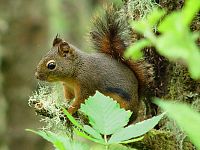

The Douglas Squirrel (Tamiasciurus douglasii) is an example of wildlife.

References

  1. ^ Usher, M. B. (1986). Wildlife conservation evaluation: attributes, criteria and values. London, New York: Chapman and Hall. ISBN 978-94-010-8315-7.
  2. ^ whatis.htm "What Is Wildlife?", Check |url= value (help) IHEA. Retrieved 14 July 2012.
  3. ^ http://www.wsj.com/articles/report-wildlife-numbers-drop-by-half-since-1970-1412085197.
  4. ^ Shepherd, Chris R.; Thomas, R. (12 November 2008). "Huge haul of dead owls and live lizards in Peninsular Malaysia". Traffic. Retrieved 14 July 2012.
  5. ^ Veggie Revolution: Monkeys and parrots pouring from the jungle.
  6. ^ Bélange, Claude (2004). "The Significance of the Eagle to the Indians". The Quebec History Encyclopedia. Marianopolis College. Retrieved 14 July 2012.
  7. ^ "Eid Al-Adha 2014: Muslims Observe The Feast Of Sacrifice". Huffington Post. Retrieved 3 March 2015.
  8. ^ Diamond, J. M. (1989). Overview of recent extinctions. Conservation for the Twenty-first Century. D. Western and M. Pearl, New York, Oxford University Press: 37-41.
  9. ^ "Critical Species". Conservation and Wildlife. Retrieved 14 July 2012.
  10. ^ "A Brief History of Mutual of Omaha's Wild Kingdom". Mutual of Omaha Insurance Company. Retrieved 14 July 2012.
  11. ^ "Charles Lagus BSC.". Wild Film History. Retrieved 14 July 2012.

- Wikipedia 

WILDLIFE REFUGE

wildlife refuge, also called a wildlife sanctuary, is a naturally occurring sanctuary, such as an island, that provides protection for species from hunting, predation or competition, it is a protected area, a geographic territory within which wildlife is protected.
Such wildlife refuges are generally officially designated territories. They are created by government legislation, publicly or privately owned (the Chernobyl nuclear accident site has accidentally become a wildlife refuge). Refuges can preserve animals that are endangered.
History
In the 3rd century BC, King Devanampiya Tissa declared the area around Mihintale, Sri Lanka as a sanctuary for wildlife, probably the first of its kind in the ancient world. According to stone inscriptions found in the vicinity, the king commanded the people not to harm animals or destroy trees within the area.
The first American wildlife refuge, Lake Merritt Wildlife Refuge at Lake Merritt, was established by Samuel Merritt and enacted in California state law in 1870 as the first government owned refuge. The first federally owned refuge in America is Pelican Island National Wildlife Refuge and was established by Theodore Roosevelt in 1903 as part of his Square Deal campaign to improve America. At the time, setting aside land for wildlife was not a constitutional right of the president. More recently, a bi-partisan group of US House of Representatives members established the Congressional Wildlife Refuge Caucus to further the needs of the National Wildlife Refuge System in the US Congress.
Today there are several national and international organizations that have taken the responsibility of supervising numerous systems of non-profit sanctuaries and refuges in order to provide a general system for sanctuaries to follow. Among them, the American Sanctuary Association monitors and aids in various facilities to care for exotic wildlife. Their accredited facilities follow high standards and a rigid application processes to ensure that the animals under their care are avidly cared for and maintained.
Wildlife Refuges in Brazil

The Wildlife Refuge has as its objective protecting natural environments where conditions are assured for the existence and reproduction of species or communities of the local flora and the resident or migratory fauna. It can be constituted by private areas, as long as it is possible to make compatible the objectives of the unit with the utilization of the land of the natural resources of the location by the landowners. Public visitation is subject to the conditions and restrictions established by the Management Plan of the unit and to the regulations established by the body responsible for its administration and scientific research depends on previous authorization from the body responsible for the administration of the unit and is subject to the conditions and restrictions established by this body.

References

  1. ^ "LANKALIBRARY FORUM • View topic - Mihintale - The first sanctuary in the world". Lankalibrary.com. Retrieved 2011-08-10.
  2. ^ "Lake Merritt - Wildlife Sanctuary". OaklandNet.com. Retrieved 2011-12-22.
  3. ^ Brazil 2000. Federal Law Nº 9.985 of 07/18/2000. Regulates article 225 of the Federal Constitution and institutes the National System of Units of Conservation and other provisions.

External Links


- Wikipedia 

Advantages and Disadvantages of Fasting for Runners

Author BY   ANDREA CESPEDES  Food is fuel, especially for serious runners who need a lot of energy. It may seem counterintuiti...