Blog List

Friday, 10 June 2016

How Much Do I Have to Run to Lose 15 Pounds? Last Updated: Aug 10, 2015 | By Sam Ashe-Edmunds

How Much Do I Have to Run to Lose 15 Pounds?
Running promotes weight loss if you eat a reasonable amount of calories. Photo Credit John Lund/Drew Kelly/Blend Images/Getty Images
Running is an efficient way to burn calories because it engages the body's aerobic energy system. Running helps burn calories from fat and glycogen -- where your body stores carbohydrates. Depending on how many calories you eat each day, you can start to take off pounds with running within a week.

Weight Loss

You will need to burn 3,500 calories for each pound of weight you want to lose. If you burn 3,500 calories during the week through running, but eat an extra 3,500 calories during that same period, you won't lose weight. Think of this formula as burning 500 calories more than you eat each day to lose one pound of weight each week. You can create your calorie deficit by reducing how many calories you eat each day by 500, burning 500 calories through running each day or by combining calorie reduction and running.

Losing 15 pounds

To lose 15 pounds of weight, you'll need to burn 52,500 calories more than you eat. You should aim for one to two pounds of healthy weight loss each week, recommends the National Institutes of Health. If you want to lose 15 pounds in eight weeks -- roughly two pounds per week -- you will need to burn approximately 940 calories per day more than you eat during those eight weeks.

Calories Burned By Running

Harvard University publishes a calorie-burning chart through its Harvard Health Publications website. This chart shows the estimated number of calories you burn during 30 minutes of exercise. Running at 5 mph burns 240 calories per 30 minutes in a 125-pound person, 298 calories in a 155-pound person and 355 calories in a 185-pound person. This means, a 155-pound person will need to log 88 hours of running, at 5 mph, to eventually lose 15 pounds -- assuming the daily caloric intake doesn't change.

Adjusting Your Numbers

If you calculate your calorie burning numbers in an attempt to determine the exact number of weeks or months it will take you to lose 15 pounds through running, plan on your weight loss taking a little longer. Your body may react to your weight loss by slowing your metabolism somewhat. You may find that you don't run every day due to the weather, changes in your schedule or soreness from the previous day. Your weight loss may also take longer if you miss your daily caloric intake goal.
www.livestrong.com


How to Train for Running at 50 Years Old Last Updated: May 11, 2015 | By Joe Miller

How to Train for Running at 50 Years Old
A woman is running outside. Photo Credit gbh007/iStock/Getty Images
It wasn’t long ago that the only reason someone over 30 ran was to catch a bus; if you were 50 or older, well, you’d just wait for the next bus. Exercise for so-called seniors was in the form of either bowling or golf. Today, however, running — on purpose — is a recommended way for 50-year-olds to get in shape and stay in shape. New approaches to running and programs geared to ease you into running have leveled the running landscape, making it as easy for a 50-year-old to start running as it is for a twentysomething.

Before You Start

It’s standard advice before starting any exercise program, but especially pertinent if you’re 50 or older: Consult a physician before diving in. By the time you hit 50 you may have acquired a health risk or two — heart, lung or joint issues, for instance — or experienced a major disease. If that’s the case, your doctor may have specific recommendations for you related to running. Even if you’re relatively healthy, your doctor may suggest easing into the activity with a walk-to-run program.

Walk-to-Run Programs

The walk-to-run approach to running was pioneered in the 1970s by Jeff Galloway as an injury-free way to train for a marathon or half-marathon. The concept is simple: slowly introduce your body to the notion of running by interspersing periods of walking with running. Begin by walking more than you run, then gradually change the equation until you’re running more than walking, and finally just running. Since the mid-2000s, the concept has been adopted for shorter running programs, in the form of so-called couch-to-5K programs.

Born to Run

Christopher McDougall was tired of hearing doctors tell him the only way for him to avoid his persistent running injuries was to stop running. He embarked on a quest to find a different answer, a quest that wound up with a book, “Born to Run,” which sparked a running boom after its publication in 2009. One of his key findings was that the heel-strike style of running, championed during the running boom of the 1970s, was causing all sorts of problems. Instead, he found, we should run as we did eons ago, as we hunted down wildebeest on the Serengeti: landing on our forefoot, allowing the multitude of bones to absorb the shock. The advice has been especially helpful for older runners with sensitive joints.
Alternative Running Styles
Other changes to the way we run have been advocated by various running programs over the past decade. Chi Running, for instance, promises injury-free running by promoting shorter strides, letting gravity help you on the downhills, engaging your core as you run, leaning forward slightly, relaxing your limbs, and landing on your midfoot. The style is intended to minimize the stress to the body often associated with running, which is especially appealing to older runners whose bodies may be more susceptible to the rigors of running.
www.ligestrong.com

How to Boost Estrogen Levels Last Updated: Aug 16, 2013 | By Jaime Herndon

How to Boost Estrogen Levels
Medications are available to increase estrogen levels. Photo Credit Stockbyte/Stockbyte/Getty Images
Estrogen is a naturally occurring female hormone that helps regulate the menstrual cycle and is important in the typical sexual development of females, says the Mayo Clinic. The body makes varying amounts of estrogen throughout the lifespan, with levels dropping off after menopause. There may be other reasons for a reduction in estrogen, like a medical condition or extreme weight loss. Raising estrogen levels can be done in a variety of ways, but it must be done under a doctor's care, as too much estrogen can have negative health effects.

Step 1

Gain weight, if you are underweight. Being underweight can impair your body's ability to produce estrogen, as well as the ability to menstruate. Returning to a healthy and appropriate weight typically results in an increase in estrogen levels.

Step 2

Ask your doctor about prescription estrogen-replacement drugs, usually called hormone replacement therapy, or HRT. HRT usually comes in the form of a cream or patch and may contain estrogen alone or estrogen and progestin, another hormone produced by the body. Because HRT use has been associated with risks like breast cancer, blood clots and heart attacks, it may not be appropriate for everyone, says the American Academy of Family Physicians.

Step 3

Eat soy products. The research is conflicting on soy products, but many people believe that the isoflavones in soy increase the amount of estrogen produced in the body. Other research has shown that the amount of estrogen that may be added is minimal, says breastcancer.org. While eating soy products alone may not increase estrogen levels, it may be beneficial; talk with a nutritionist or health care professional about this.
Step 4 
Get a prescription for birth control pills or the birth control patch, both of which can provide estrogen to the body and regulate hormones. The estrogen patch provides almost 60 percent more estrogen compared to pills, says orthoevra.com. These medications do carry side effects and may not be for every woman, so it is best to consult with your health care provider about all the risks and benefits.  Step 5 Buy over-the-counter estrogen supplements; these are usually available at health food stores and in some drug stores, in the vitamin aisle. Though these claim to be natural, they may interact with medications and may not be safe for people with certain medical conditions, so prior to buying them, ask your doctor if it is safe to do so.  Warnings Boosting estrogen levels is not appropriate for everyone. Get your hormone levels checked accurately with a blood test and talk to your health care provider before deciding to raise your hormone levels. To ensure safety, the process of boosting hormone levels should be done only under a doctor's care.

I Feel Irritable, Moody, Depressed, Tired and Sluggish Immediately After Eating Last Updated: Aug 16, 2013 | By Piper Li


I Feel Irritable, Moody, Depressed, Tired and Sluggish Immediately After Eating
Your diet may be responsible for feelings of depression and fatigue. Photo Credit Photos.com/Photos.com/Getty Images

The foods you eat can affect the way you feel, especially if you have a food sensitivity or celiac disease. According to the University of Maryland, up to one in 133 Americans have celiac disease. Although your diet may be responsible for certain symptoms you experience after eating, it is important to consult your doctor before making any major changes to your eating habits.

Junk Food

Your diet may increase your risk of depression, according to Katherine Zeratsky, a clinical nutritionist with the Mayo Clinic. Research from Britain indicates that a diet made up of junk food, such as refined cereals, processed meats, fried foods, sweets and chocolates, can cause symptoms of depression. Although this potential connection between food and depression requires additional research, cutting out the junk food in your diet may help alleviate depression, as well as boost your resistance to disease.

Food Sensitivities

The Southwest Institute of Healing Arts warns that certain foods may cause uncomfortable responses, including fatigue, headaches and bloating. According to the Institute, four specific categories of food provide the majority of digestive challenges that can cause these symptoms. These foods include items that contain eggs, citric acid, milk protein and gluten. If you are sensitive to these foods, you may also experience other symptoms, such as diarrhea, constipation, weight gain and acid reflux

Celiac Disease

Unlike food allergies and sensitivities, celiac disease is a type of autoimmune disease. This health condition causes symptoms in response to eating gluten, a type of protein in wheat and other grains. Celiac disease destroys the villi in your small intestine. The main symptoms of celiac disease include fatigue, irritability and an inability to concentrate. This disease can also lead to behavioral changes, depression, dementia, malnutrition, weakness and abdominal pain.

Precautions

Tell your doctor about any unusual or severe symptoms of depression, irritability and fatigue, especially if eliminating suspect foods doesn't decrease the severity and incidence of these symptoms. Celiac disease requires medical attention. Keeping a food diary can help you and your doctor determine which foods may contribute to your symptoms. Fatigue, irritability and depression may signal the presence of an underlying condition, making it important to see your doctor for a correct diagnosis.
www.livestrong.com

Post Surgery Herbal Remedies for Healing


Post Surgery Herbal Remedies for Healing
Herbal remedies may speed recovery after surgery. Photo Credit jar of honey image by Angel_a from Fotolia.com

Any form of surgery is traumatic to the body, especially if you are put under general anesthesia. Depending on the type of surgery you receive, you may awaken to swelling, severe pain and possibly subcutaneous bleeding and other unpleasant symptoms. In certain cases, you may react to the anesthesia with nausea, vomiting, cognitive dysfunction and memory loss. In all cases, herbal remedies may be useful for helping you regain your sense of normalcy and speed the recovery of your body. Herbs can cause side effects and interfere with medications. Speak to a health practitioner familiar with their use for post-surgical conditions before using them.

Ginger

Ginger is possesses anti-inflammatory properties and is also a well-known remedy for the treatment of nausea and vomiting. Some people develop severe nausea and vomiting after surgery due to a reaction to the anesthesia or other pain-killing drugs administered. The University of Maryland Medical Center, or UMMC, cites research in which was ginger used to reduce post-surgical nausea and vomiting. In certain instances, women needed less nausea-relieving medications after surgery after taking 1 g of ginger root before the surgery as a preventative. Other research indicates ginger may cause nausea and vomiting, but anecdotal evidence indicates that the dose may be too high in that instance. Herbalists are aware that herbs can cause the same symptoms that they can prevent, and the way to manage them is through the size of the dose. Ginger can thin the blood, so it is not the best herb to take before an operation. However, under medical supervision, it may offer relief to those experiencing nausea and vomiting when administered after surgery. Tell your health practitioner and the surgical doctors if you take medicines for thinning the blood, and avoid using ginger unless under strict supervision

Quercetin

Quercetin is a potent flavonoid found in various fruits, vegetables, teas, wine and various herbs that helps reduce swelling and lymphedema -- the buildup of lymphatic fluids in the tissues -- as well as lowering the risk of developing cellulitis, or blood poisoning after surgery, according to the University of Maryland Medical Center. Take up to 1,000 mg of quercetin two to three times daily for the purposes of supplementation.

Calendula

Calendula comes from marigolds and is used both externally and internally to help heal wounds and ailments of the skin. Herbal calendula is available in liquids and ointments and is an excellent healing herb to disinfect and speed recovery of incisions. Calendula possesses antibacterial properties and reduces the risk of developing cellulitis, blood poisoning and MRSA infections after surgery, according to Andrew Chevallier in "Encyclopedia of Herbal Medicine." Calendula is also available as a homeopathic remedy, which is used to clean the blood of toxins and help repair the skin, according to homeopath Dr. William Boericke in the "Material Medica and Repertory." It is taken orally and should be prescribed by a homeopathic practitioner.

Honey

Honey, though not specifically an herb, comes from a plant-based source and often acts like an herb on the body. It possesses numerous healing properties from various enzymes and antibacterial compounds that may prevent infection when applied topically after surgery, according to the book, "Herbs for Health and Healing." It helps incisions heal more rapidly. Do not use honey on an open wound. Honey can develop botulism spores and should be stored in the refrigerator until it is needed. Do not apply or feed honey to children younger than 1.

Bromelain

Bromelain is an enzyme derived from pineapples that helps reduce inflammation and pain. It was approved by Germany's Commission E for use after ear, nose and throat surgery to help reduce inflammation of the sinuses, says the UMMC. Additionally, bromelain can be used post-surgically to reduce swelling and pain, speeding recovery. The German Commission E recommends 500 mg four times daily for the treatment of injuries, which includes surgical trauma. Take bromelain on an empty stomach. Bromelain can thin the blood. If you take blood-thinning medicines, consult your health practitioner before using it.


wwww.livestrong.com

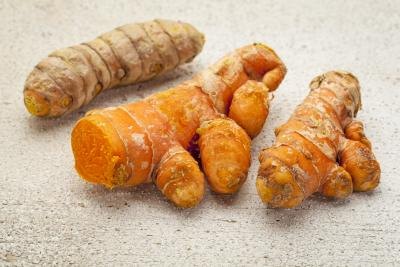
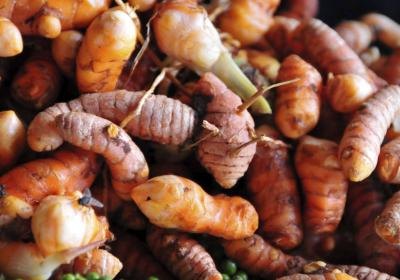
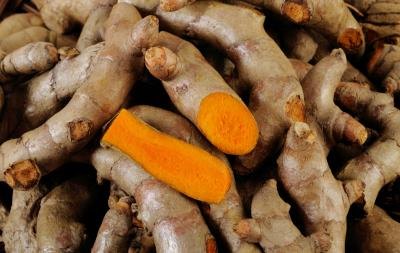
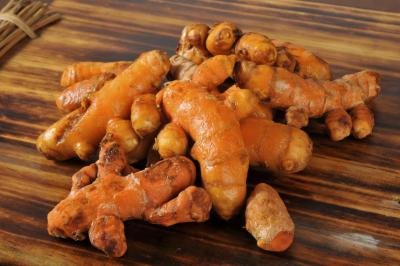
The Benefits of Raw Turmeric

The Benefits of Raw Turmeric
bowl of raw, sliced turmeric Photo Credit MonaMakela/iStock/Getty Images

Overview

Turmeric has long been used for its digestive, anti-inflammatory and antioxidant benefits. The primary compounds to which turmeric's benefits are attributed are curcuminoids and volatile oils, explains the Memorial Sloan-Kettering Cancer Center. While raw turmeric has many purported benefits, it's important to note, as the National Center for Complementary and Alternative Medicine does, that research is ongoing, and little current scientific evidence to support them.

Digestive Tract Benefits

The Benefits of Raw Turmeric
tumeric roots at local market Photo Credit joloei/iStock/Getty Images
The curcumin content of turmeric triggers bile production, which is believed to help the digestive system, explains the University of Maryland Medical Center, or UMMC. Turmeric may ease the symptoms of indigestion and alleviate heartburn. The National Institutes of Health, or NIH, adds that turmeric may provide relief from symptoms of irritable bowel syndrome as well, and UMMC states it may boost the remission of ulcerative colitis, a form of inflammatory bowel disease. Turmeric may help treat stomach ulcers too, according to NIH, which also cautions that high doses can be counterproductive, further irritating the stomach.

Anti-Inflammatory Benefits

The Benefits of Raw Turmeric
raw tumeric roots Photo Credit Marek Uliasz/iStock/Getty Images
Anti-inflammatory agents in turmeric may be useful in relieving symptoms associated with rheumatic conditions, according to NIH. Turmeric is sometimes used as part of the course of treatment for osteoarthritis and rheumatoid arthritis. It may help with the pain and loss of mobility from these conditions. Turmeric may also be useful for treating uveitis, a form of eye inflammation, states UMMC.

Preventing Heart Problems and Stroke

The Benefits of Raw Turmeric
tumeric roots Photo Credit mtcurado/iStock/Getty Images
Turmeric may help prevent heart disease, heart attack and stroke with its effects on some key risk factors of these three conditions. It may help stop atherosclerosis, the buildup of arterial plaque, according to UMMC, and it may help prevent blood clots, according to NIH. Additionally, NIH cites the lowering of LDL, or "bad" cholesterol levels, as a possible benefit of turmeric.

Cancer Protection

The Benefits of Raw Turmeric
pile of turmeric Photo Credit chorboon_photo/iStock/Getty Images
Turmeric may help prevent, manage and treat various forms of cancer, including skin, breast, prostate and colon cancer, according to UMMC. However, it points out that evidence has only been found in test tube and animal studies so far. The antioxidant properties of turmeric are believed to be at least partially responsible for its anti-cancer activities.

Other Benefits

The Benefits of Raw Turmeric
tumeric on cutting board Photo Credit MSPhotographic/iStock/Getty Images
Turmeric may help regulate blood sugar levels in patients with diabetes, according to UMMC. Its ability to boost bile flow may also be useful in gallstone prevention, says NIH, which adds other possible benefits. These include liver protection and help in the treatment of HIV, scabies and viral infections.


www.livestrong.com

Benefits of Turmeric Powder

Benefits of Turmeric Powder
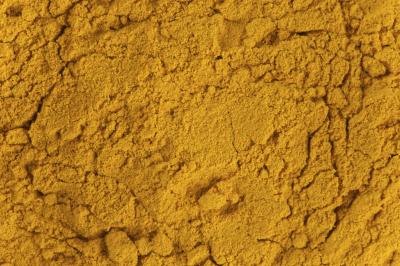
Ground tumeric powder Photo Credit CTRPhotos/iStock/Getty Images

Overview

Turmeric, or Curcuma longa, belongs to the ginger family and naturally occurs in Southern Asia and India. Turmeric supplements come from the plant's rhizomes, which feature rough, brown skin and a dark orange flesh. Known for its fragrant aroma and slightly bitter taste, turmeric is a common culinary spice in Indian cuisine. Turmeric also comes in liquid extract, capsule and powder forms. The traditional Oriental medicine systems have long used turmeric powder to treat a variety of medical conditions.

Digestive Aid

The University of Maryland Medical Center reports that turmeric contains curcumin, an agent that might stimulate the gallbladder to produce more bile. This may help you improve a variety of digestive problems, such as gas and bloating. According to the Beth Israel Deaconess Medical Center, taking doses of turmeric powder might also relieve symptoms of dyspepsia, particularly nausea, appetite loss, belching and stomach discomfort. The curcumin might also effectively treat various inflammatory bowel diseases, including Crohn's disease and ulcerative colitis. The UMMC warns that curcumin sometimes increases stomach acid levels, which means you should not use turmeric supplements to treat stomach ulcers.

Cholesterol Reduction

According to the University of Maryland Medical Center, early research indicates that turmeric can help lower blood cholesterol levels and keep low-density lipoprotein levels from building up in your arteries, a condition known as atherosclerosis. Keeping your LDL levels low can reduce your risk of stroke or heart attack. Turmeric also keeps platelets from clumping together, which means it might stop blood clots from forming on your artery walls.

Cancer Preventive

The University of Maryland Medical Center reports that the curcumin found in turmeric powder might inhibit or prevent various kinds of cancer, including colon, skin, breast and prostate cancers. Turmeric might prevent cancer because its antioxidant properties keep cells from becoming damaged. The curcumin might also suppress the growth of cancerous cells by simply inhibiting the blood vessels that supply the cancer cells.

Other Possible Benefits

Turmeric lowers blood sugar levels in diabetic animals, according to UMMC. However, turmeric supplements might also increase the effects of anti-diabetic drugs and increase your risk of low blood sugar, a condition called hypoglycemia. Early studies indicate that curcumin helps to block the formation of the plaque thought to cause Alzheimer's disease. The National Center for Complementary and Alternative Medicine relates that applying poultices of turmeric powder directly onto your skin might help to treat eczema and heal minor wounds. Turmeric's antioxidant properties might even help to stop the inflammation that causes arthritis.
www.lvestrong.com

Silicon 'plant stones' for strong rice: Fertilizing & recycling Si in Vietnamese fields

Title

Silicon 'plant stones' for strong rice: Fertilizing & recycling Si in Vietnamese fields


Date:
October 1, 2015
Source:
Pensoft Publishers
Summary:
Recent research showed that silicon (Si) is an important nutrient enhancing the endurability of rice plants, however, what controls on Si availability in soils still remain poorly studied. Researchers of the LEGATO project tested the effects of Si fertilization on Si uptake and growth of rice and on decomposability of the produced straw in Northern Vietnam.
Rice transplanting in Vietnam.
Credit: © gnomeandi / Fotolia
Recent research showed that silicon (Si) is an important nutrient enhancing the endurability of rice plants, however, what controls on Si availability in soils still remain poorly studied. Researchers of the LEGATO project tested the effects of Si fertilization on Si uptake and growth of rice and on decomposability of the produced straw in Northern Vietnam.
The study was published in the journal Plant and Soil.
Silicon quite literally pumps up the strength of a rice plant. Rice takes up Si with the soil solution and forms amorphous Si dioxide bodies within the plant tissue, the so-called phytoliths (literally translated "plant stones"). These phytoliths make the plant stem and leaves stronger and more rigid. Thus, a sufficient Si supply enhances the plants' resistance against heavy rain and wind and against attacks of pests and fungi.
Undoubtedly, an indispensable element for sustainable rice production, the processes which control Si availability in the soil remain rather understudied. In their paper Anika Marxen from the Helmholtz Centre for Environmental Research -- UFZ and her team study rice soils in Vietnam in order to understand these processes, providing scientific base for future recommendations for sustainable rice production.
Silicon is contained in most soil minerals and mineral weathering slowly releases the important element into the soil solution. In Vietnam, soils are strongly weathered due to high temperatures and precipitation which means that Si availability is very low.
The study shows that Si application to the soil increased Si uptake by rice and rice grain yield. When the produced rice straw (that is Si-rich) is left on the field after harvest, a large proportion of the Si is released during straw decomposition and is available for the upcoming rice crop. Thus, Si is recycled and Si supply for rice plants can be maintained on a high level with one single fertilizer application for many cropping seasons.
Lignin, a hardly degradable carbon compound in plant cells, has the same function than phytoliths have, which is to give the plant stability. The formation of lignin is energetically much more expensive for the plant than the formation of phytoliths. Therefore, increased Si availability and uptake by rice probably lowers lignin formation and thus fastens decomposition and nutrient release of the produced straw. Hence, Si fertilization might also exert effects on the cycling of other important nutrients, with yet unknown consequences for rice plant growth.
"Our study showed positive effects of Si fertilization on rice growth and decomposability of the produced straw, however Si cycling must be understood in more detail before applying Si fertilizer at a large scale. More research is certainly needed, but these first steps seem to take us in the right direction," comments Anika Marxen.

Story Source:
The above post is reprinted from materials provided by Pensoft Publishers. Note: Materials may be edited for content and length.
Journal Reference:
  1. A. Marxen, T. Klotzbücher, R. Jahn, K. Kaiser, V. S. Nguyen, A. Schmidt, M. Schädler, D. Vetterlein. Interaction between silicon cycling and straw decomposition in a silicon deficient rice production systemPlant and Soil, 2015; DOI: 10.1007/s11104-015-2645-8

For further details log on website :

Increasing rice production on acidic soils in Malaysia

Title

Increasing rice production on acidic soils in Malaysia


Date:
June 19, 2014
Source:
Universiti Putra Malaysia (UPM)
Summary:
Adding lime is a cost-effective means of increasing rice production on marginal acidic soils, according to a new study. The study examined the effects of applying lime from various sources on an acid sulphate soil in Merbok, Malaysia.
Abstract 

Adding lime is a cost-effective means of increasing rice production on marginal acidic soils, according to a study published in the Pertanika Journal of Tropical Agricultural Science. The study examined the effects of applying lime from various sources on an acid sulphate soil in Merbok, Malaysia.
Rice is a staple food for Malaysians. With global demand for rice increasing, Malaysia needs to become more self-sufficient in rice production. However, with fertile land in short supply, farmers may need to increase their rice production on land that was previously idle and less fertile, such as the acid sulphate soils that occur along Malaysia's coastal plains.
Marked with high acidity (soil pH< 3.5), acid sulphate soils contain high levels of aluminium (Al). Under normal circumstances, they are not suitable for crop production. Major agronomic problems common to these soils include Al toxicity, decreased availability of phosphorus, nutrient deficiencies and iron toxicity.
In the study, Shamshuddin Jusop and colleagues at the Universiti Putra Malaysia treated an acid sulphate paddy with ground magnesium limestone (GML), hydrated lime and liquid lime. Prior to the treatments, the pH of water from the rice field was 3.7 and the Al concentration was 878 μM. Rice plants grown under these conditions would normally suffer from acid and aluminium stress, thus retarding and/or minimizing rice growth and yield.
For their experiment, the researchers tested paddy variety MR 219 -- the most common variety grown in Malaysia. In the first season, rice plants were affected by drought while in the second, they were infested with rice blast fungus. Despite this, the rice yield was 3.5 tons (t) per hectare, or almost as much as the average national yield of 3.8 t per hectare. This was achieved by applying 4 tons of GML per hectare, at a cost of US$382. Since one ton of rice sold at the market price of US$318, "the yield obtained is worth the effort and cost," the authors conclude.

Story Source:
The above post is reprinted from materials provided by Universiti Putra Malaysia (UPM)Note: Materials may be edited for content and length.
Journal Reference:
  1. Elisa Azura Azman, Shamshuddin Jusop, Che Fauziah Ishak and Roslan Ismail. Increasing Rice Production Using Different Lime Sources on an Acid Sulphate Soil in Merbok, MalaysiaPertanika Journal of Tropical Agricultural Science, Vol. 37 (2) May. 2014

For further details log on website :

Adapting to climate change in South Africa: commercial farmers' perception of and response to changing climate

Title
Adapting to climate change in South Africa: commercial farmers' perception of and response to changing climate

DOI:
10.1080/03736245.2012.742783

Author 
Nicholas Wiida & Gina Ziervogela*
pages 152-173
Publishing models and article dates explained


For further details log on website :
http://www.tandfonline.com/doi/abs/10.1080/03736245.2012.742783?src=recsys

Advantages and Disadvantages of Fasting for Runners

Author BY   ANDREA CESPEDES  Food is fuel, especially for serious runners who need a lot of energy. It may seem counterintuiti...