Blog List

Tuesday, 14 March 2017

Stakeholder perceptions of biofuels from microalgae

Author
Christian Oltra
Energy Policy, 2011, vol. 39, issue 3, pages 1774-1781

Abstract: In this paper we focus on stakeholder views around the development of advanced biofuels from microalgae. Research for the development of microalgal-derived biofuels was initiated by the US Department of Energy (DOE) more than 30 years ago. However, interest in this eco-innovation has been growing significantly over the last five years in various countries. The high productivity of algae indicates that algal biofuels could contribute to reduce our dependence on fossil fuels while avoiding the undesired impacts of first generation biofuels. There are still numerous challenges that need nevertheless to be addressed. The aim of this paper is to explore stakeholder perceptions of the current barriers and opportunities associated with this promising emergent technology.
Keywords: MicroalgaeBiofuelsPerception (search for similar items in EconPapers)
Date: 2011
References: View references in EconPapers View complete reference list from CitEc
Citations View citations in EconPapers (5) Track citations by RSS feed
Downloads: (external link)
http://www.sciencedirect.com/science/article/pii/S0301-4215(11)00019-X
Full text for ScienceDirect subscribers only
Related works:
This item may be available elsewhere in EconPapers: Search for items with the same title.
Export reference: BibTeX RIS (EndNote, ProCite, RefMan) HTML/Text
Access Statistics for this article
Energy Policy is currently edited by N. France
More articles in Energy Policy from  Elsevier
Series data maintained by Dana Niculescu (repec@elsevier.com).

For further details log on website :
http://econpapers.repec.org/scripts/search.pf?kw=freshwater%20microalgae

Influence of Climate on the Growth of Hybrid Poplar in Michigan

Forests 20101(4), 209-229; doi:10.3390/f1040209

Author 

Department of Forestry, Michigan State University, 126 Natural Resources Building, East Lansing, MI 48824, USA
Received: 30 September 2010 / Revised: 22 October 2010 / Accepted: 9 November 2010 / Published: 15 November 2010
View Full-Text   |     Download PDF [218 KB, uploaded 22 November 2010]   |    
 

Abstract 

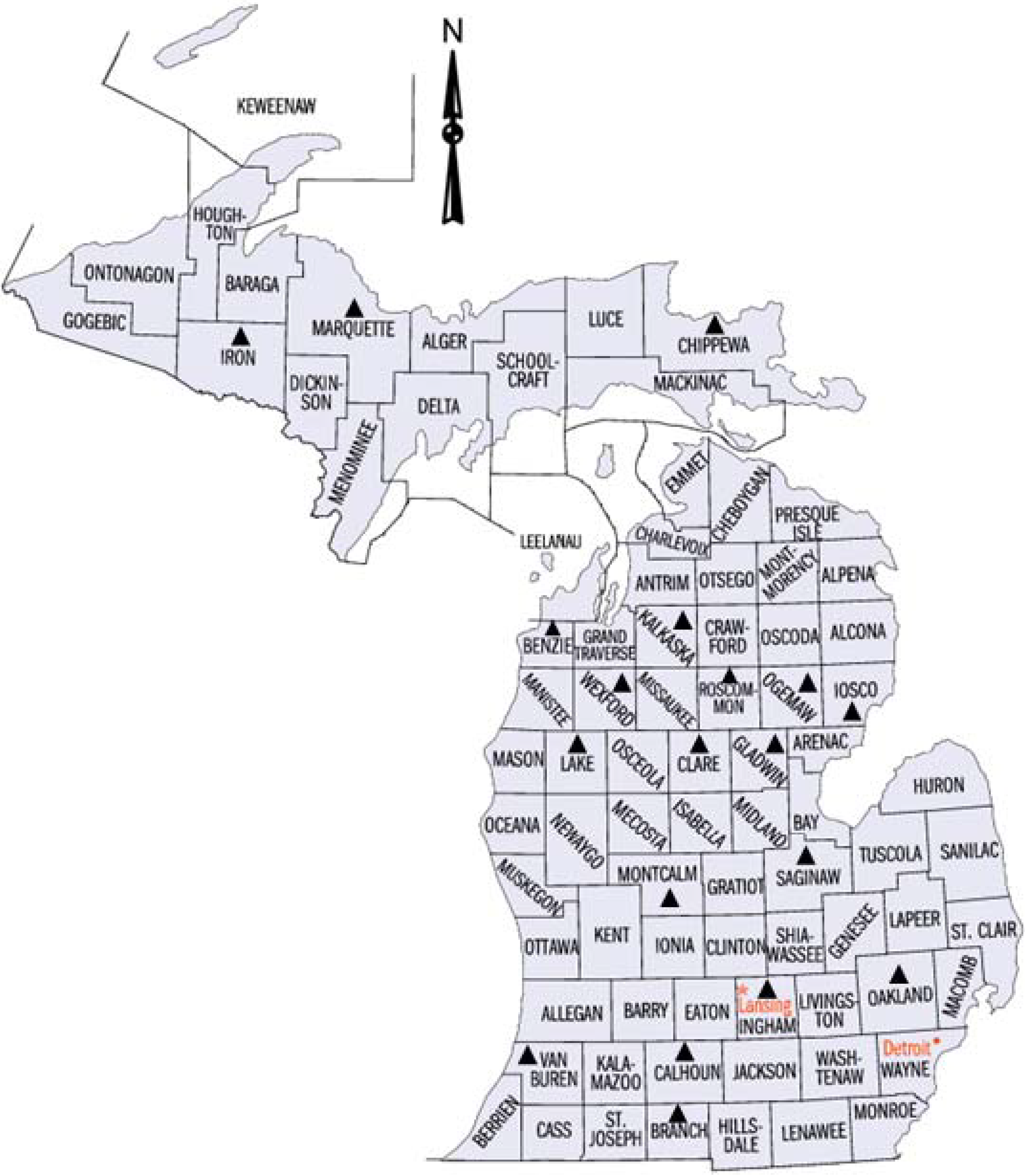
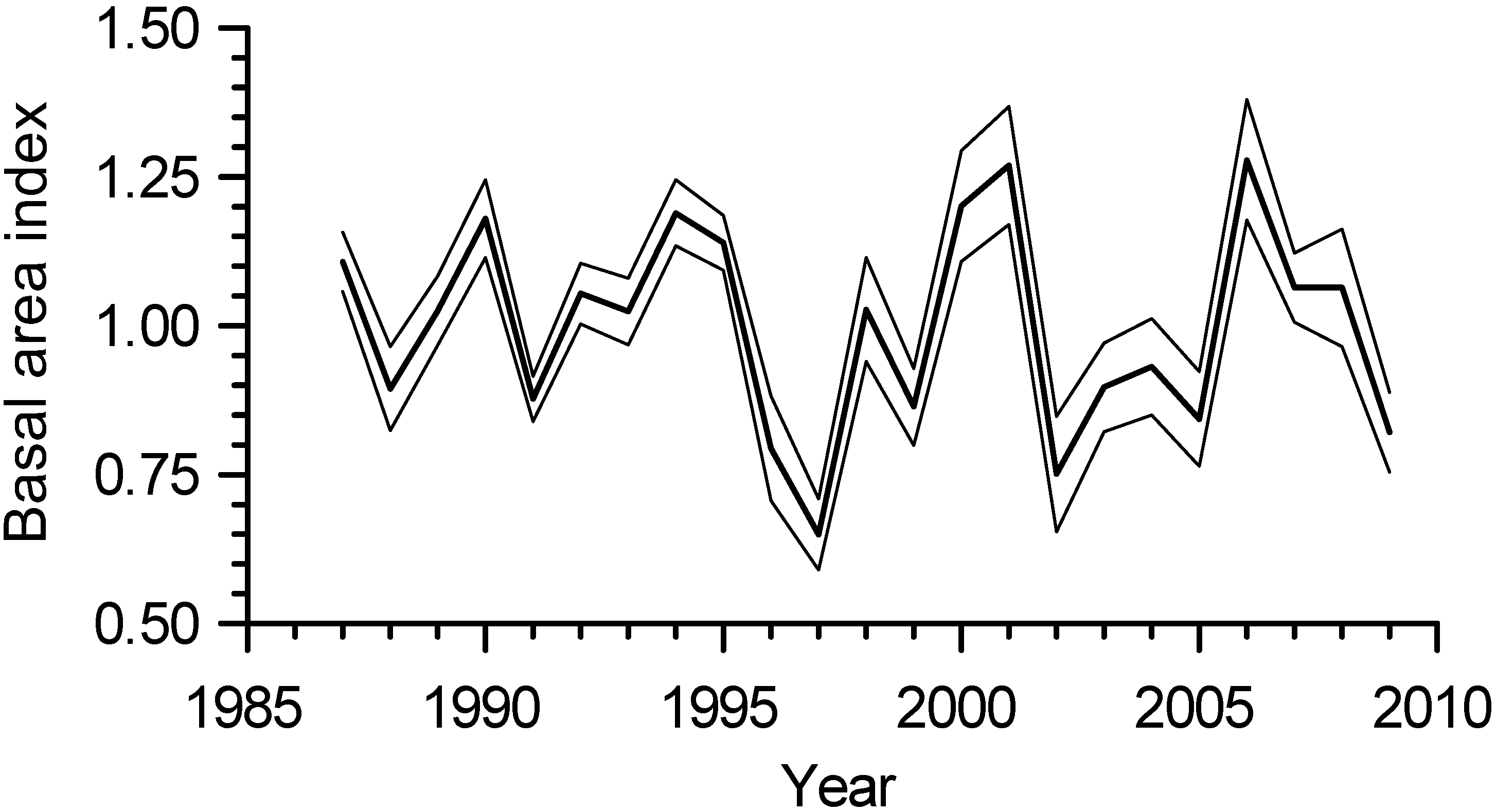
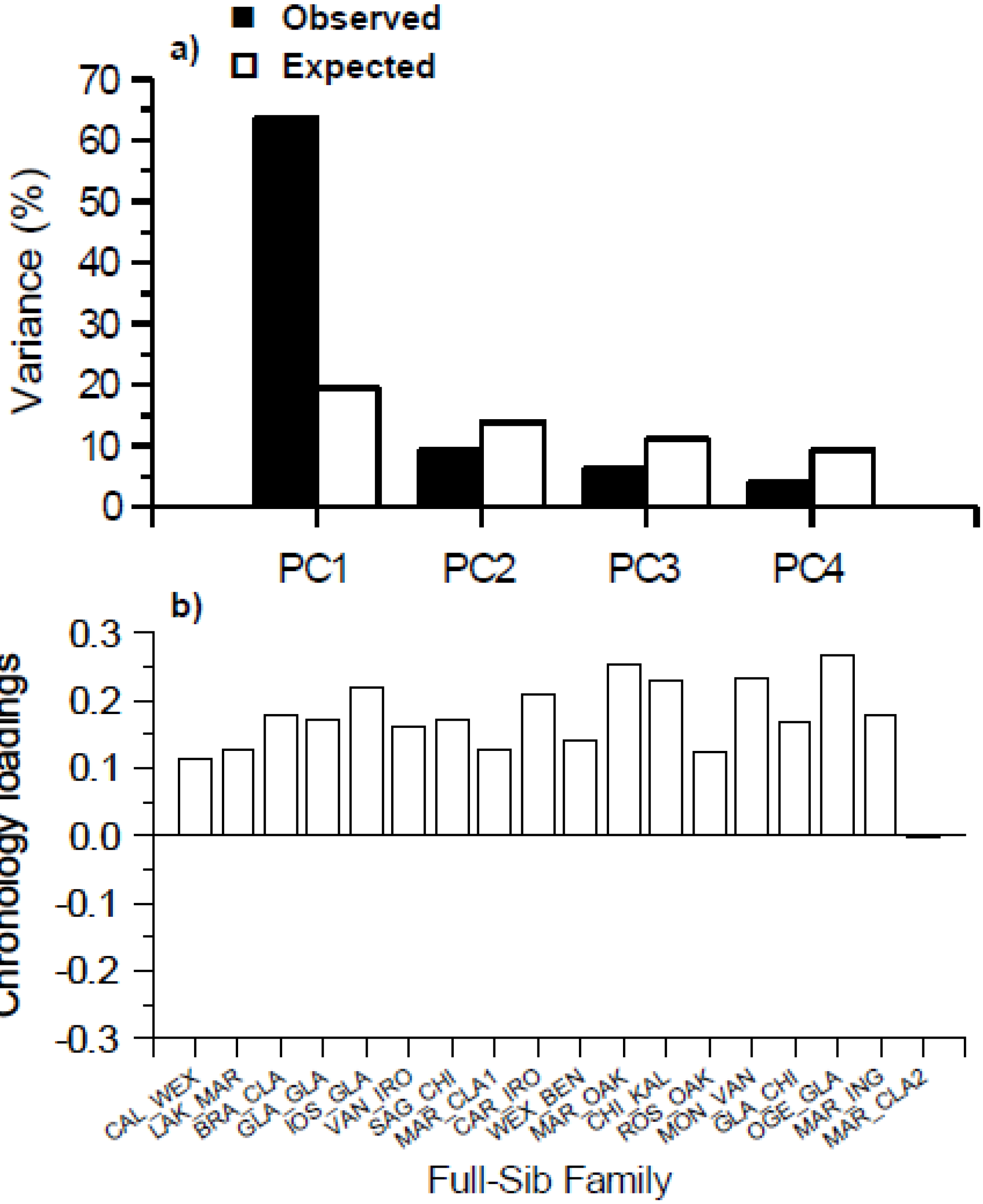
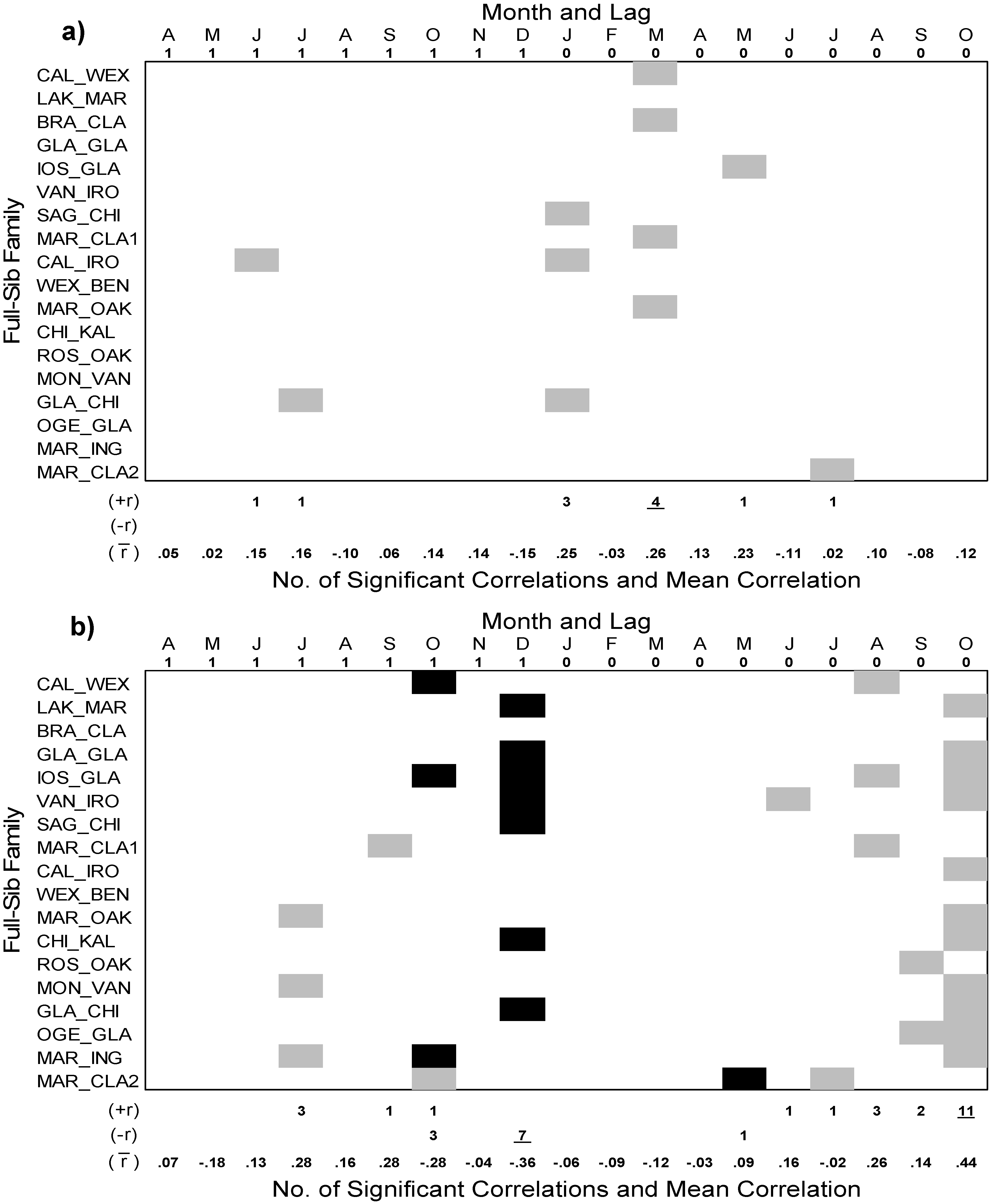
This study examined the influence of climate on cumulative and interannual growth patterns of 18 full-sib families of hybrid poplars (Populus × smithii Boivinderived from different geographical locations (state counties) of natural stands of aspen parents (trembling aspen (Populus tremuloides Michx.) and bigtooth aspen (Populus grandidentata Michx.)). The hybrids were subsequently planted in 1982 in southern mid-Michigan at Michigan State University (MSU) Sandhill Research Area. Cumulative measures of hybrid poplar productivity (diameter, height, basal area, and stem volume) in 2009 (28 years since plantation establishment) were related via correlation analysis to geographical distances and climatic variables (temperature and precipitation) between parental county locations and between parental locations and the plantation site. Tree-ring analysis methods (dendrochronology) were also used to quantify the influence of climate (i.e., mean temperature and total precipitation at monthly and 3-month seasonal scales) on interannual basal area growth rates of hybrid poplars. Analyses of cumulative measures of growth indicated a maternal effect: full-sib families had higher productivity if they had a maternal parent originating from a state county that was close to or had higher temperature (annual and summer) and summer precipitation than corresponding parameters of the planting site. Principal component analysis indicated that 17 of the 18 full-sib families shared a large amount of common growth variation. Dendrochronological analyses of interannual growth-climate relationships indicated that growth was mainly affected by the degree of late summer to fall moisture stress in both the current and previous growth season, and the degree of winter harshness. View Full-Text
 Figures

This is an open access article distributed under the Creative Commons Attribution License (CC BY 3.0).

For further details log on website :
http://www.mdpi.com/1999-4907/1/4/209

Thinning Intensity Affects Soil-Atmosphere Fluxes of Greenhouse Gases and Soil Nitrogen Mineralization in a Lowland Poplar Plantation

Forests 20167(7), 141; doi:10.3390/f7070141

Author 

 1,2, 1

 1,2
 and 
 1

1
College of Forestry, Nanjing Forestry University, Nanjing 210037, China
2
Co-Innovation Center for Sustainable Forestry in Southern China, Nanjing Forestry University, Nanjing 210037, China
*
Author to whom correspondence should be addressed. 
Academic Editor: Timothy A. Martin
Received: 6 May 2016 / Revised: 5 July 2016 / Accepted: 6 July 2016 / Published: 12 July 2016
View Full-Text   |     Download PDF [3172 KB, uploaded 12 July 2016]   |    
 

Abstract 

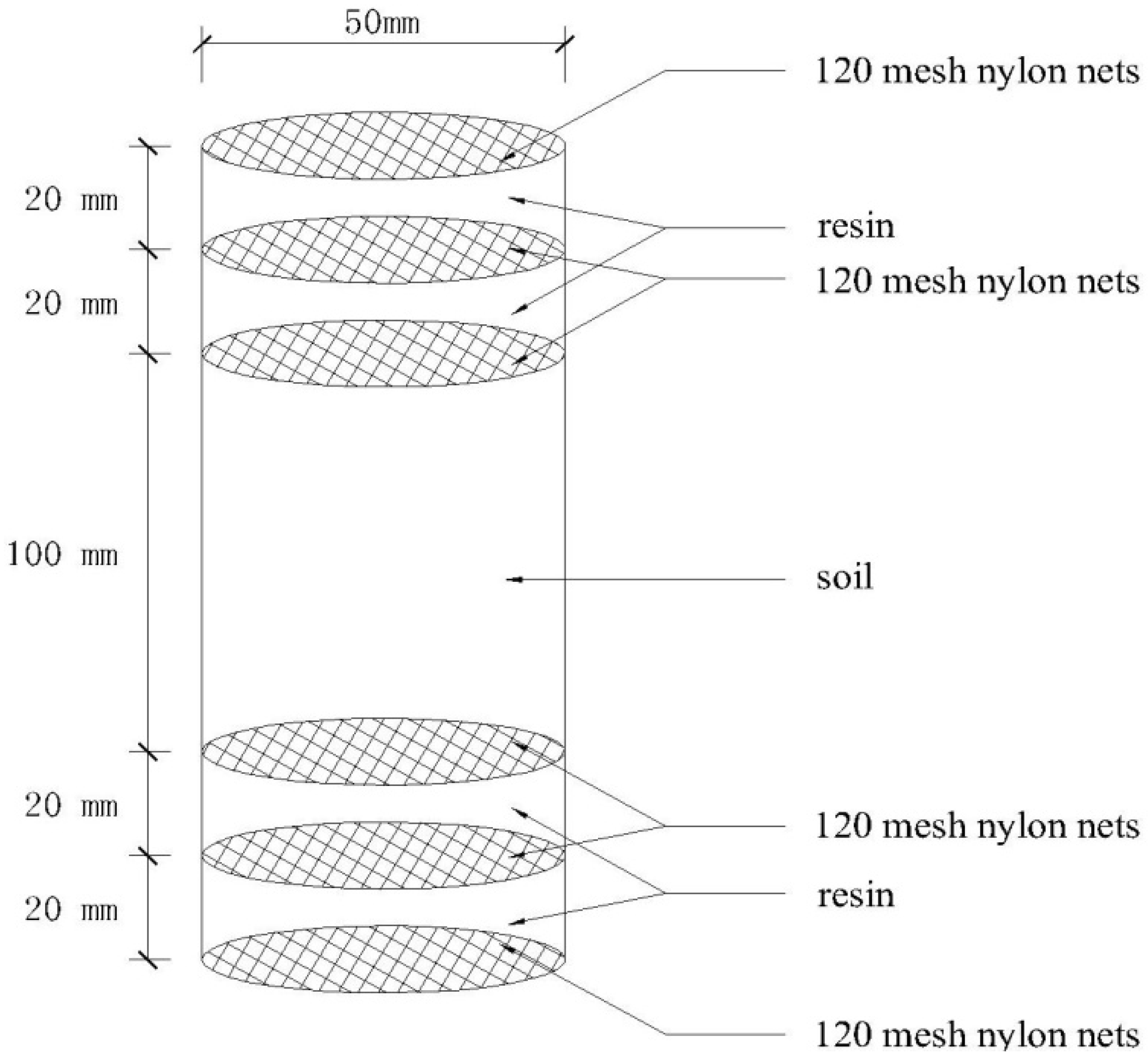
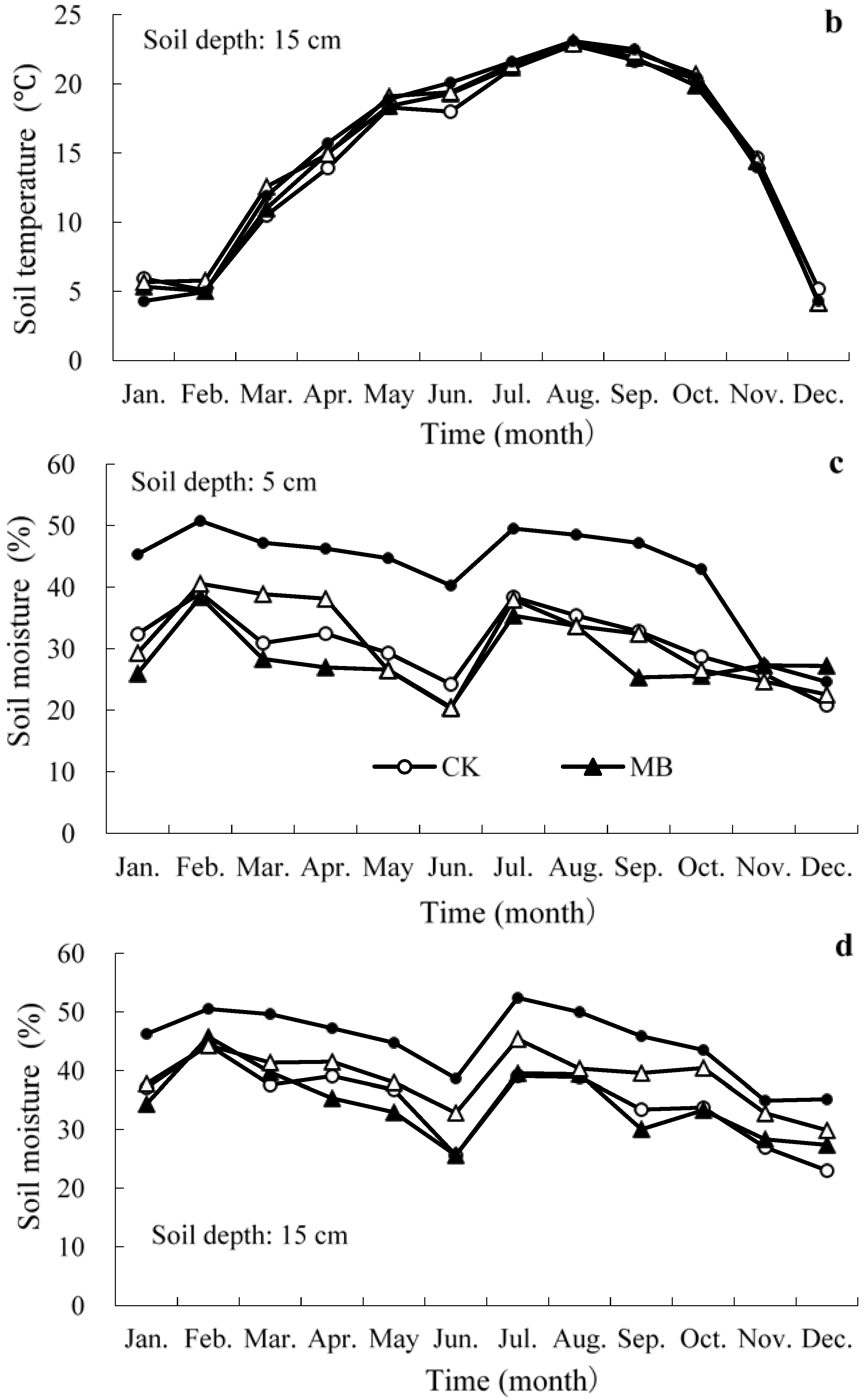
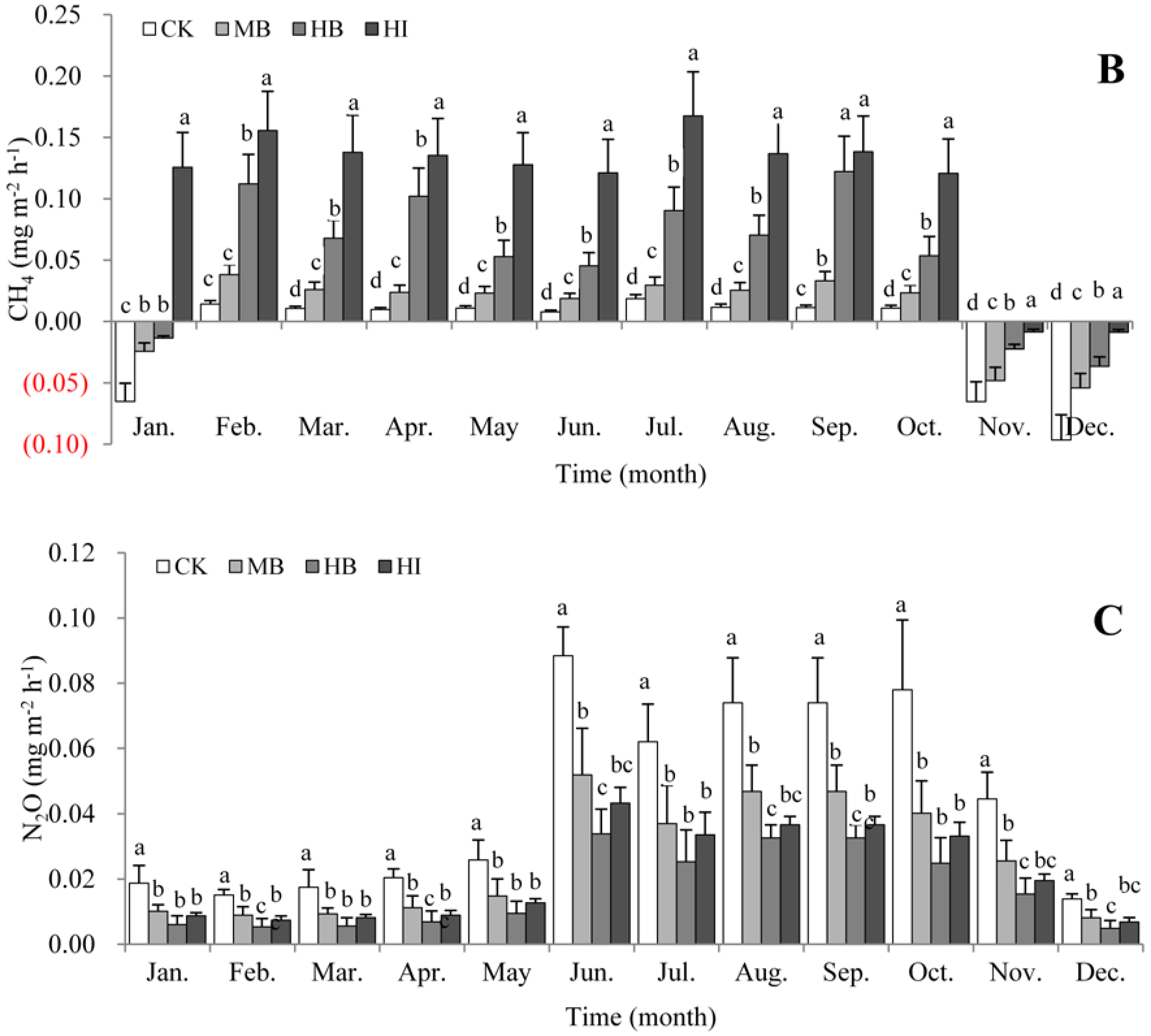
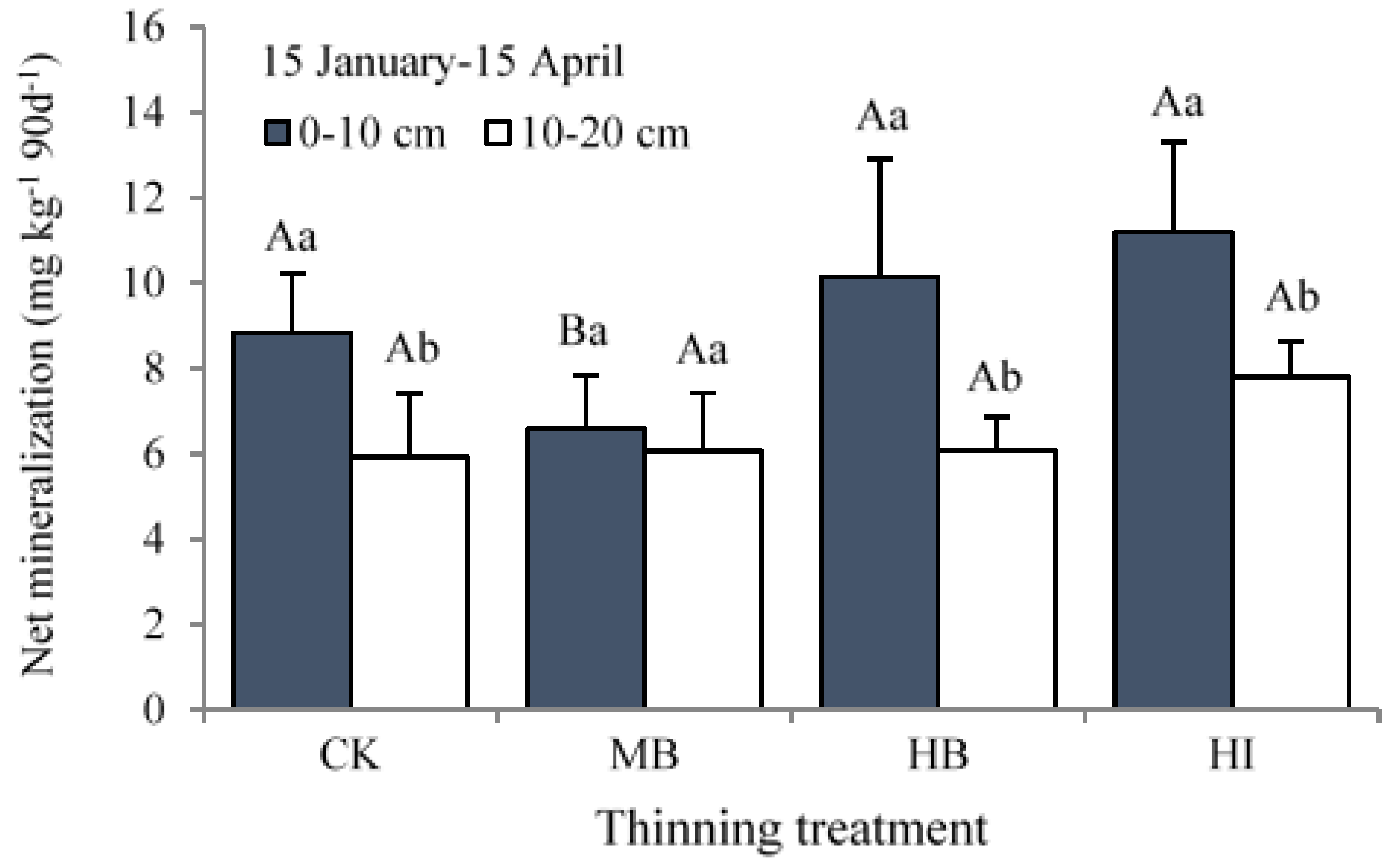
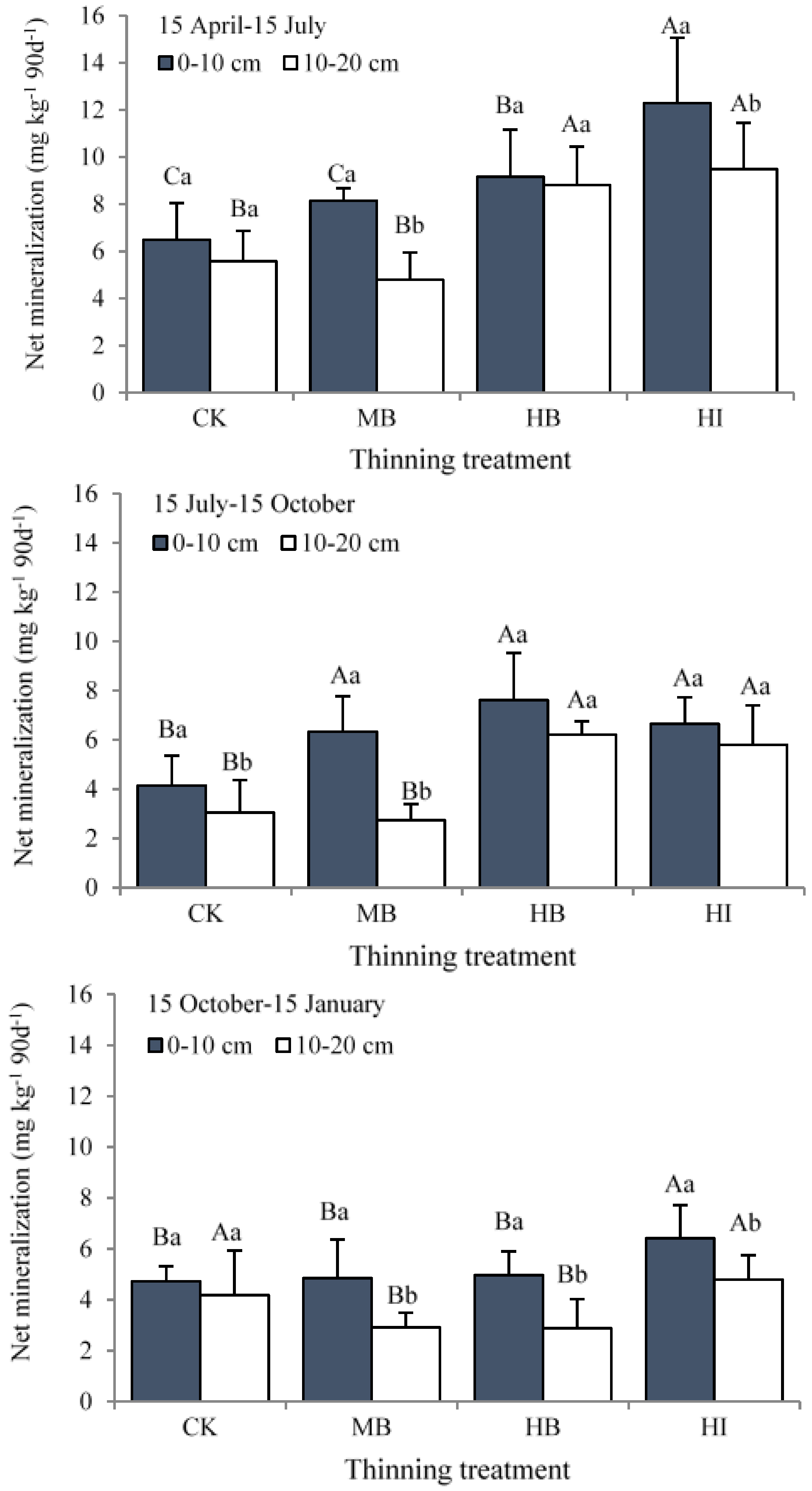
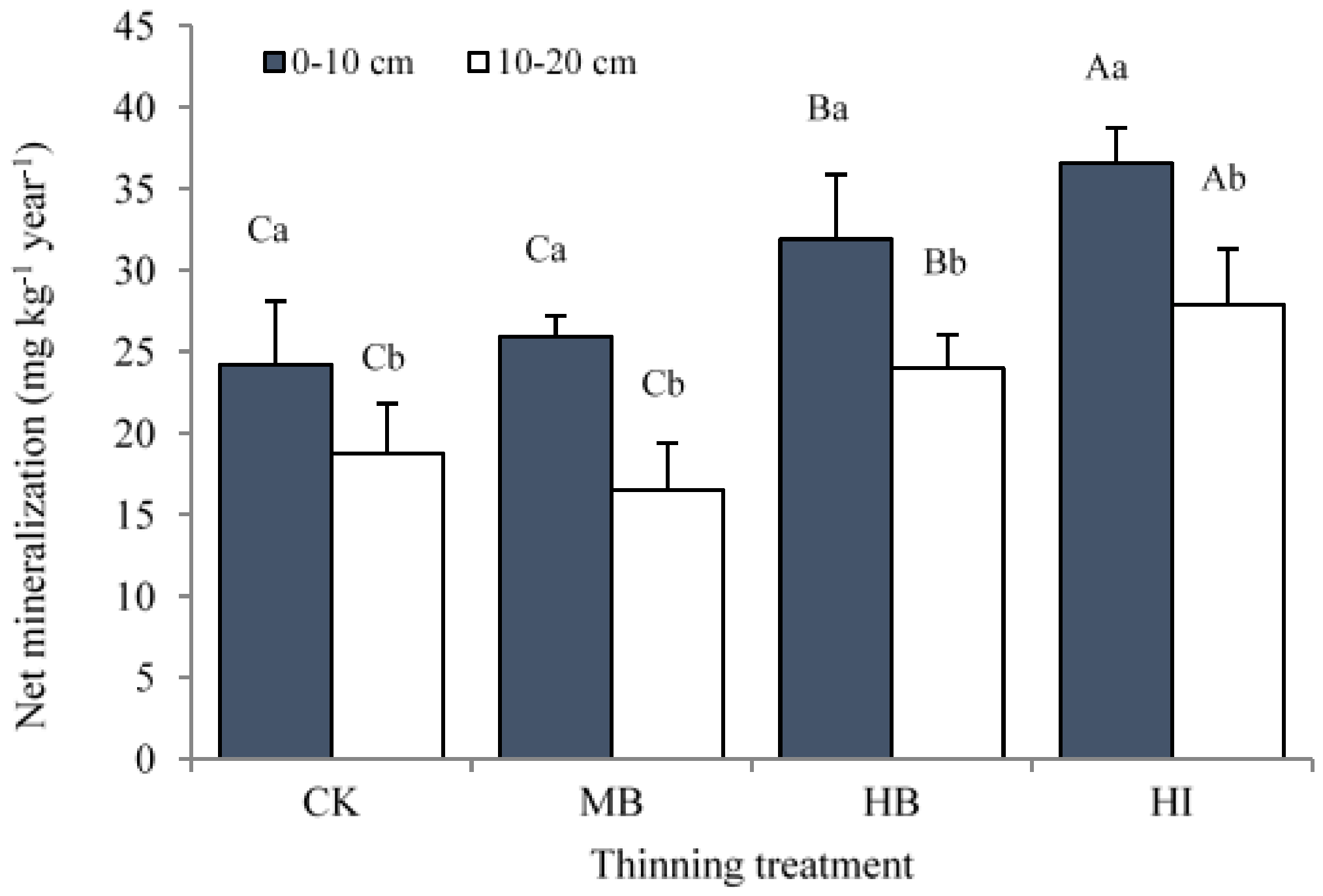
Thinning is one of the intensive forest management techniques commonly applied to increase the merchantable timber volume. However, how thinning affects soil–atmospheric fluxes of greenhouse gases (GHGs) is poorly understood. A field experiment with four treatments (CK: unthinned; MB: medium intensity thinning from below; HB: high intensity thinning from below; and HI: high intensity thinning by removing every alternative row of trees) was conducted to assess the impact of thinning regimes on soil–atmospheric fluxes of GHGs (CO2, CH4, and N2O) and soil nitrogen mineralization in a poplar plantation established on a lowland. Thinning significantly increased soil water content and water table in the high thinning treatments (HB and HI) and tended to increase soil temperature (p < 0.10). The result of the one-year study showed that estimated annual emissions of CO2and CH4 were higher in HB and HI than in other treatments, while the highest emission of N2O was in the CK. The thinning treatments increased the annual emission of CO2 by 23%–64% and that of CH4 by 190%–1200%, but decreased that of N2O by 41%–62%. Thinning increased annual N mineralization by 50.3% in HI and 30.1%in HB. Changes in soil temperature and water table drove CO2, CH4, and N2O emissions, while soil water content was the most important factor driving CH4 emission. We conclude that the moderate thinning (MB) regime is the best thinning option to minimize the impact on GHG emissions for lowland poplar plantations with similar conditions to those tested in this study. View Full-Text
 Figures

This is an open access article distributed under the Creative Commons Attribution License which permits unrestricted use, distribution, and reproduction in any medium, provided the original work is properly cited. (CC BY 4.0).

For further details log on website :
http://www.mdpi.com/1999-4907/7/7/141

Sanguinaria canadensis: Traditional Medicine, Phytochemical Composition, Biological Activities and Current Uses

Int. J. Mol. Sci. 201617(9), 1414; doi:10.3390/ijms17091414

Author 

1
Southern Cross Plant Science, Southern Cross University, Lismore, NSW 2480, Australia
2
School of Medicine, The University of Queensland, St. Lucia, QLD 4072, Australia
3
School of Pharmacy, Griffith University, Gold Coast Campus, Gold Coast, QLD 4222, Australia
*
Authors to whom correspondence should be addressed. 
Academic Editor: Chang Won Choi
Received: 22 July 2016 / Revised: 11 August 2016 / Accepted: 12 August 2016 / Published: 27 August 2016
(This article belongs to the Section Bioactives and Nutraceuticals)
View Full-Text   |     Download PDF [2599 KB, uploaded 27 August 2016]   |    
 

Abstract 

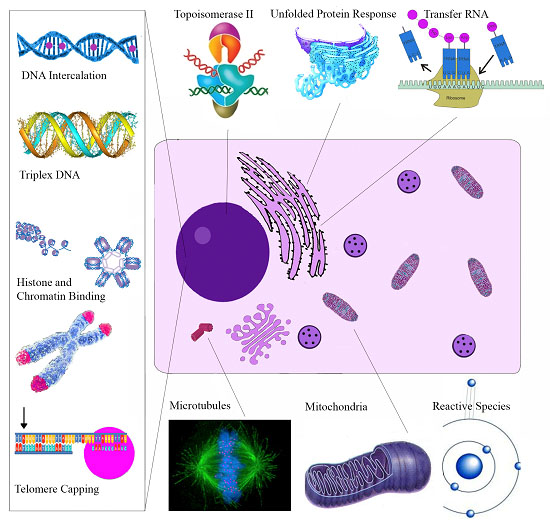
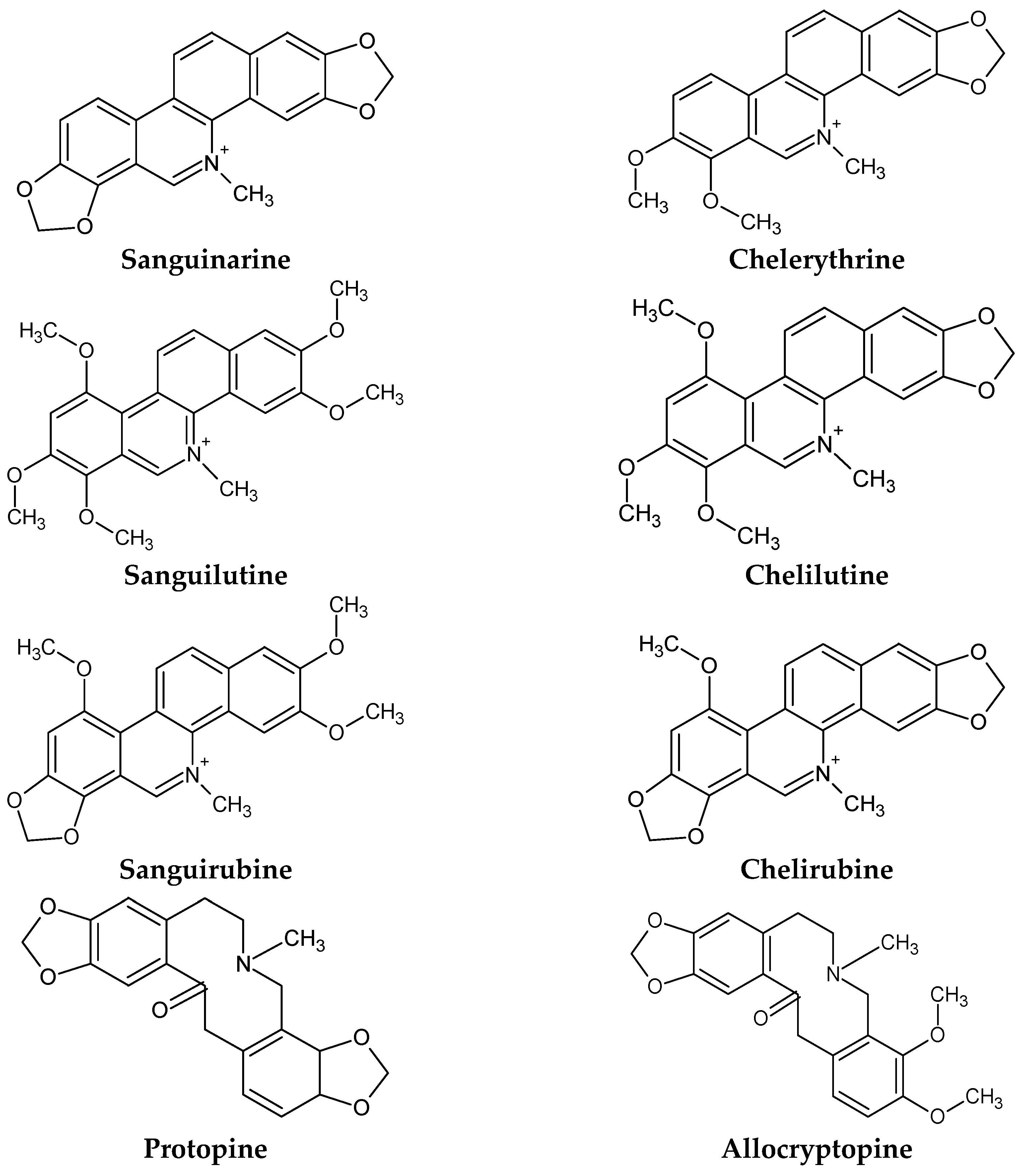
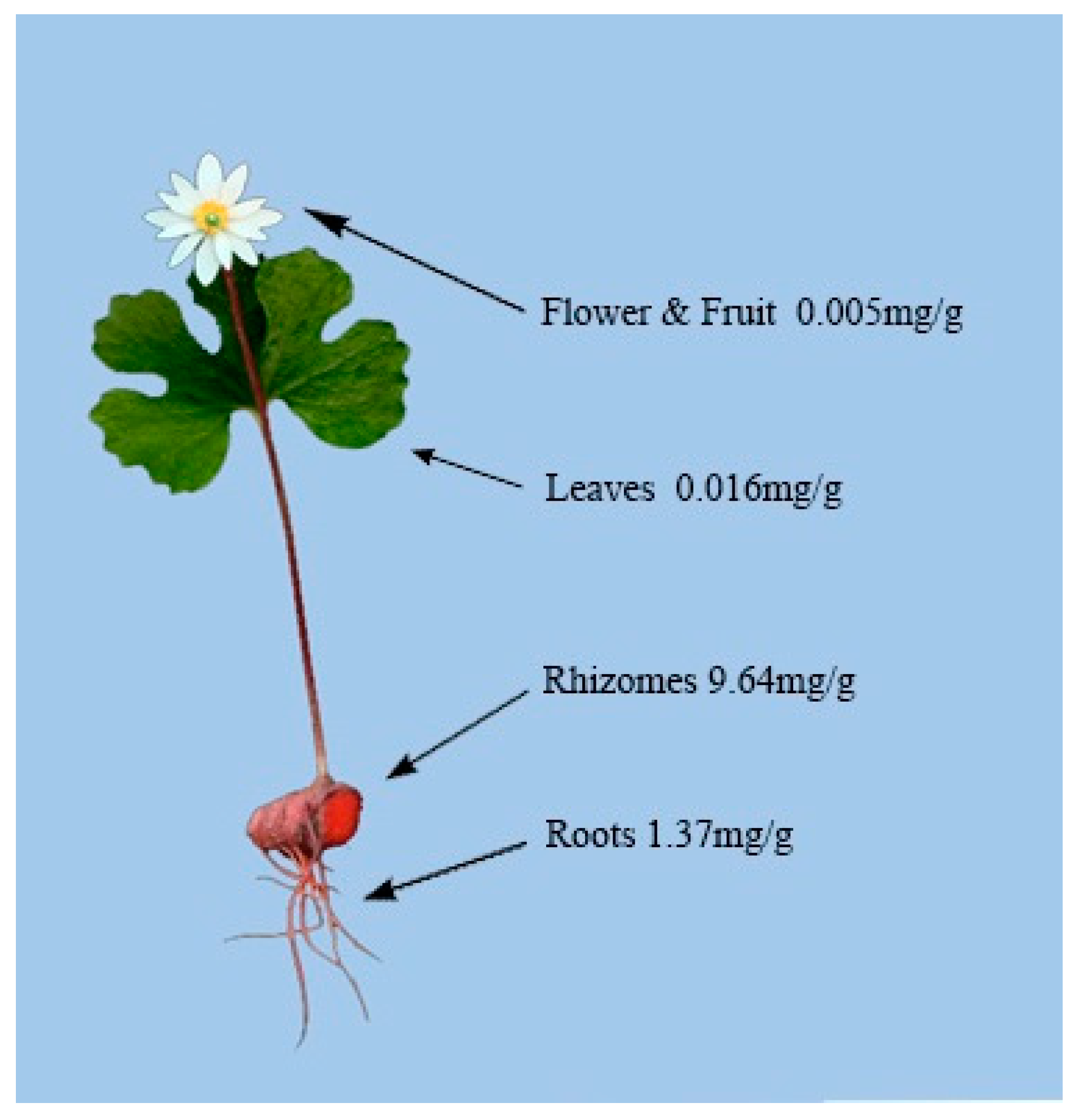
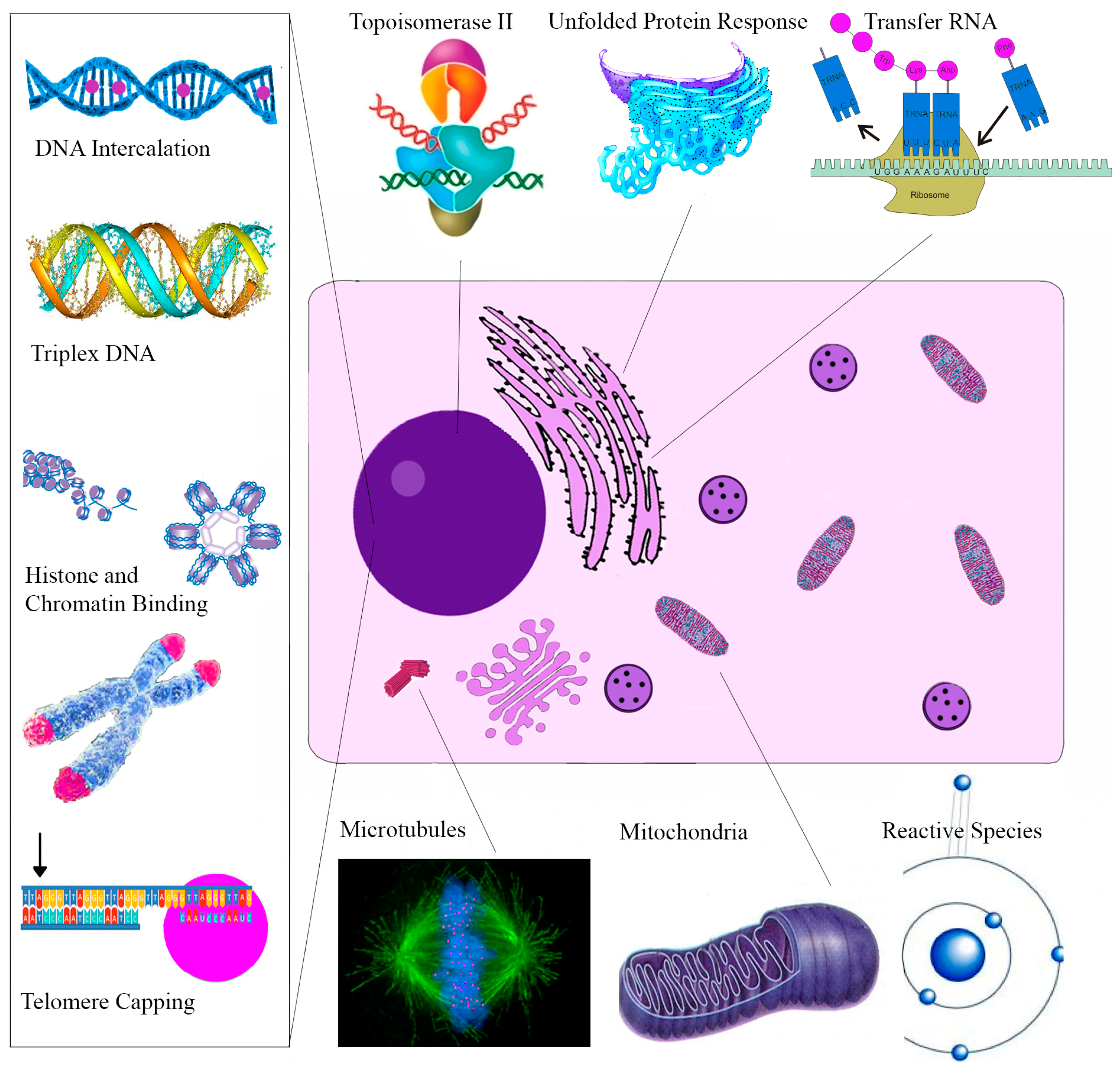
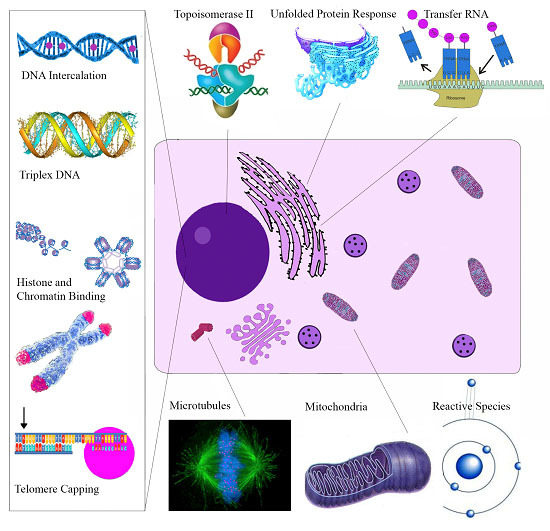
Sanguinaria canadensis, also known as bloodroot, is a traditional medicine used by Native Americans to treat a diverse range of clinical conditions. The plants rhizome contains several alkaloids that individually target multiple molecular processes. These bioactive compounds, mechanistically correlate with the plant’s history of ethnobotanical use. Despite their identification over 50 years ago, the alkaloids of S. canadensis have not been developed into successful therapeutic agents. Instead, they have been associated with clinical toxicities ranging from mouthwash induced leukoplakia to cancer salve necrosis and treatment failure. This review explores the historical use of S. canadensis, the molecular actions of the benzophenanthridine and protopin alkaloids it contains, and explores natural alkaloid variation as a possible rationale for the inconsistent efficacy and toxicities encountered by S. canadensis therapies. Current veterinary and medicinal uses of the plant are studied with an assessment of obstacles to the pharmaceutical development of S. canadensis alkaloid based therapeutics. View Full-Text
 Figures

This is an open access article distributed under the Creative Commons Attribution License which permits unrestricted use, distribution, and reproduction in any medium, provided the original work is properly cited. (CC BY 4.0).

For further details log on website :
http://www.mdpi.com/1422-0067/17/9/1414

Exotic Invasive Shrub Glossy Buckthorn Reduces Restoration Potential for Native Forest Herbs

Sustainability 20179(2), 249; doi:10.3390/su9020249

Author 

1
Department of Biology, University of Regina, 3737 Wascana Parkway, Regina, SK S4S 0A2, Canada
2
Fiducie de Recherche sur la Forêt des Cantons-de-l’Est/Eastern Townships Forest Research Trust, 1 rue Principale, Saint-Benoît-du-Lac, QC J0B 2M0, Canada
*
Author to whom correspondence should be addressed. 
Received: 19 December 2016 / Accepted: 7 February 2017 / Published: 10 February 2017
(This article belongs to the Special Issue Ecological Restoration for Sustainable Forest Management)
View Full-Text   |     Download PDF [5095 KB, uploaded 13 February 2017]   |    
 

Abstract 

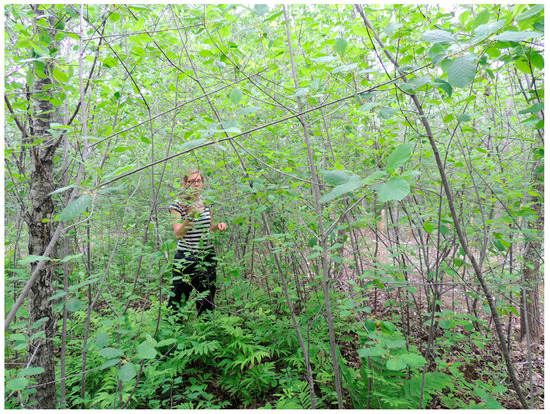
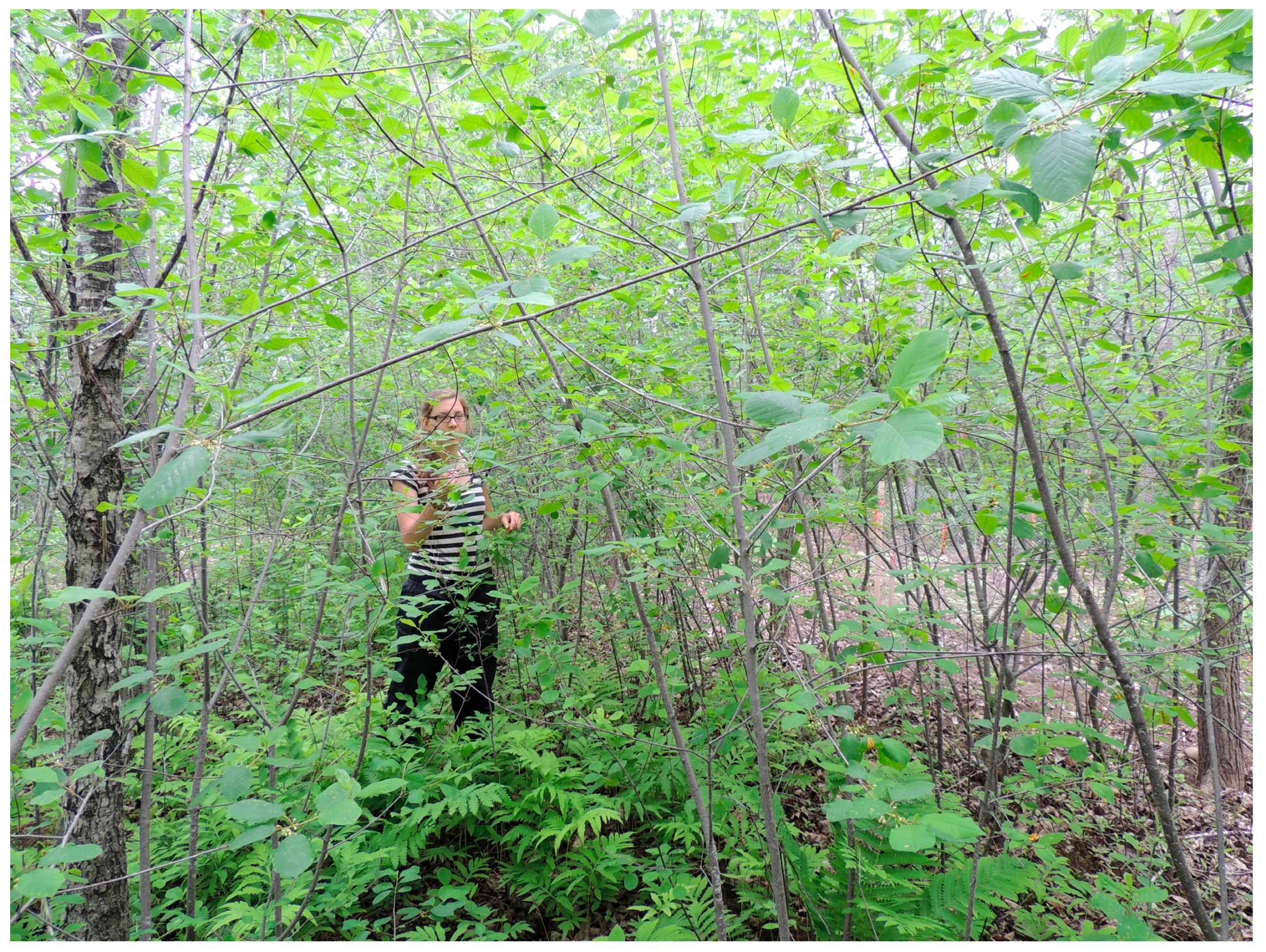
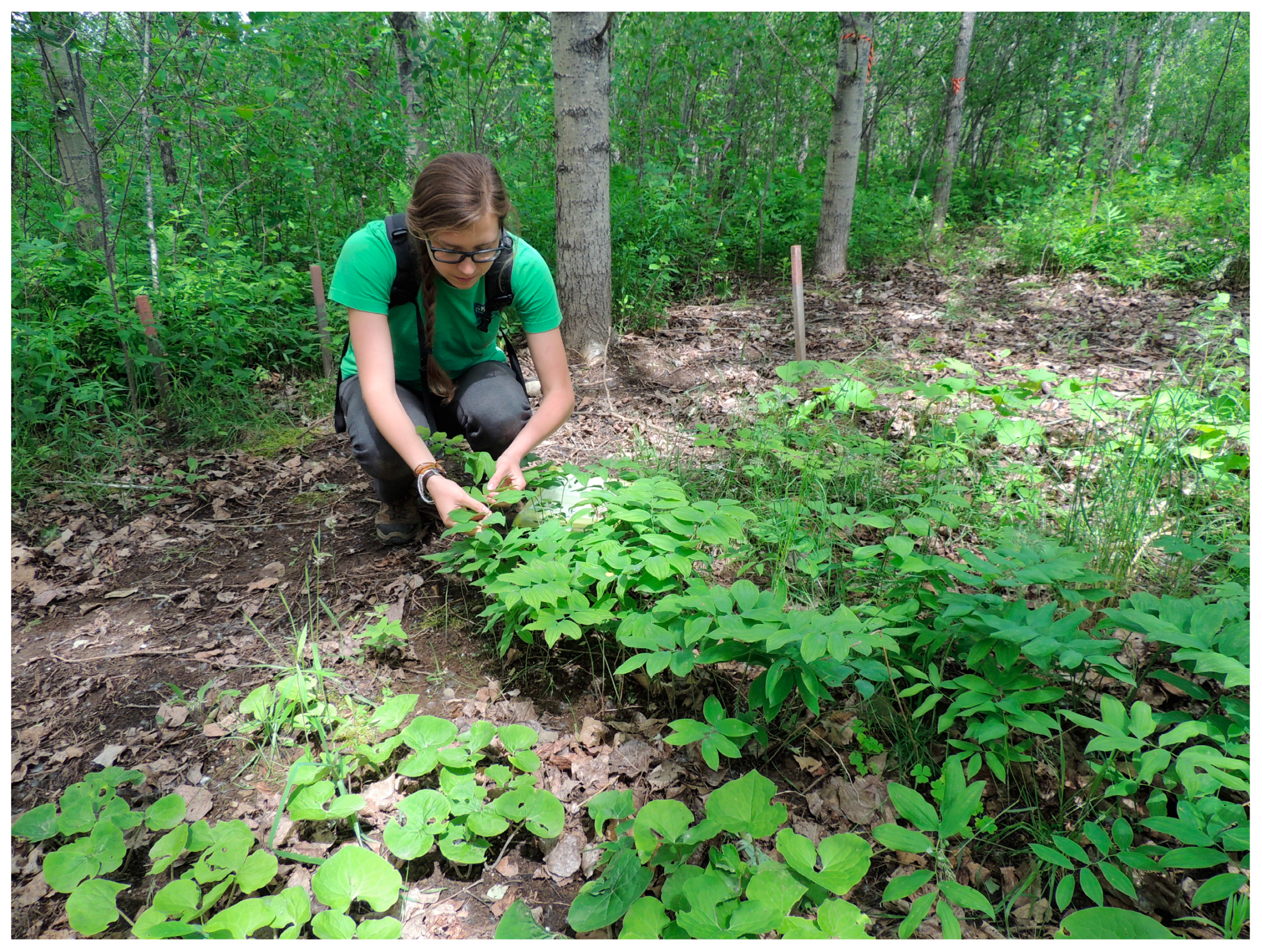
Invasive glossy buckthorn could reduce restoration potential for understory native forest herbs by compromising their growth and biodiversity. Few studies of glossy buckthorn’s effects on forest herbs exist, and none were done in early-successional, partially open hardwood forests. This study was conducted in a mature hybrid poplar plantation invaded by buckthorn, located in southeastern Québec. We tested the effect of buckthorn removal on the growth of three forest herb species, whether this effect varied among species, and if canopy type (two poplar clones) influenced this effect. Forest herbs were planted in herbicide (buckthorn removed) and control treatments in the plantation understory, an environment similar to that of early-successional hardwood forests. Over the first two growing seasons, species showed specific reactions to buckthorn cover. Mean relative growth rate (RGR) for Asarum canadense and Polygonatum pubescens was increased in the herbicide treatment (48% and 33%, respectively) and decreased in the control treatment (−35% and −33%, respectively). Sanguinaria canadensis growth was the highest among species, with no difference between treatments. No effects of canopy type were detected. Results suggest that planting forest herbs for restoration purposes may be unsuccessful if buckthorn is present. Important changes in understory flora biodiversity are likely to occur over the long term in forests invaded by buckthorn. View Full-Text
 Figures

Figure 1
This is an open access article distributed under the Creative Commons Attribution License which permits unrestricted use, distribution, and reproduction in any medium, provided the original work is properly cited. (CC BY 4.0).

For further details log on website :
http://www.mdpi.com/2071-1050/9/2/249

Advantages and Disadvantages of Fasting for Runners

Author BY   ANDREA CESPEDES  Food is fuel, especially for serious runners who need a lot of energy. It may seem counterintuiti...