Blog List

Saturday, 30 December 2017

Fun Activities that Teach Children About Being Nervous

Author
by 
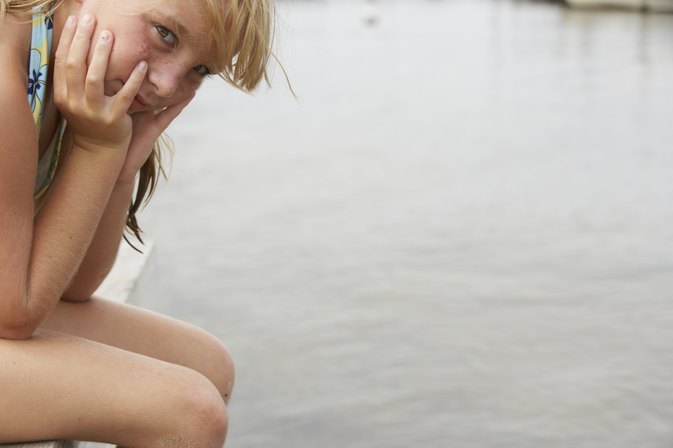
Anxiety is a part of life,and it doesn't ask for your birth certificate. People of all ages -- including children -- get nervous. In children, anxiety may manifest as stomach aches or headaches. You child may become clingy when he is nervous or become belligerent to get out of a task that makes him nervous. If your child persistently suffers from medical maladies, nightmares, teeth grinding or bed wetting, have him evaluated by a health care provider.

VIDEO OF THE DAY


Artistic Endeavors

Art therapists regularly use drawing to help children illustrate their fears. If your child is nervous about something, have her draw a picture of what her nervousness looks like on one side of a piece of paper. Encourage her to use as many colors as she needs and not to worry about neatness or her drawing technique. Once that picture is completed, have her flip the page over and draw a picture of herself in a safe place or a picture of her conquering the concerns. Discuss the pictures with your child to show her that she does have some control over her nerves, and the simple act of drawing the picture will help her to feel more in control of the situation.

Balloon Lungs

The balloon game will teach children deep breathing techniques that can help quell nervousness. Have your child imagine that his lungs are balloons, and he can slowly try to fill them up with air when he's nervous. Then, once they are full, he can try to deflate them slowly. This teaches breath control since most children's breathing becomes quick and shallow when they are nervous.

My Calm Place

Have your child use his imagination to stop his nervousness. When your child is calm and relaxed, help him visualize a favorite place and describe it to you in detail. You can play along by coming up with your favorite place, too. Once the place is defined, have your child talk about the fun things he can do there and why he feels safe there. Then come up with a word that describes the place, such as "garden," "jungle" or "beach." When your child is experiencing a bout of anxiety, remind him to think of the "beach," and that can help him calm down.

Act it Out

Playing with puppets can be particularly useful in helping young children articulate their problems and role playing helps older children try out different scenarios to pinpoint problems and find solutions. Allow your child to take the lead, but give her a scenario similar to one she may be nervous about. Listen to what the puppets have to say. Use that information to help your child overcome her nerves. If your child is nervous about going on a field trip, have the puppets take a field trip and devise strategies to help them as they come up against challenges. If your older child is nervous about speaking in front of her teacher or class, have her act it out with you to feel a little more comfortable.
For further information log on website :
https://www.livestrong.com/article/114825-fun-activities-teach-children-being/

The Social EffectS of Family Stress on Children

Author
by 
Stress can provoke negative effects in children just as it does with adults. Family stress can be a catalyst for a variety of symptoms in children, according to Novella Ruffin of Virginia State University, including "bed-wetting, upset stomach, irritability, nightmares, lying, withdrawal from activity, change in activity level, poor sleep or eating habits, teeth grinding, or decline in school achievement." Parents and other caregivers who are alert can take proactive steps to alleviate the harmful effects of stress.

VIDEO OF THE DAY


Causes

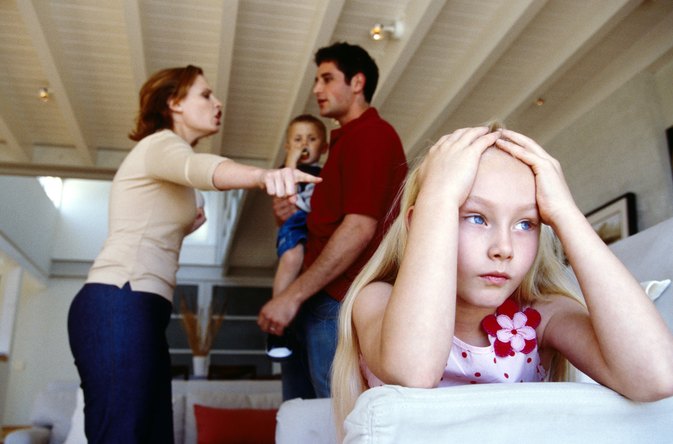
Stress, according to Ruffin, is "the body's reaction to a physical or emotional situation that causes imbalance in a person's life." Family stresses which can create imbalance and thus have negative effects upon children include a parent's loss of employment, divorce, fights, physical or emotional abuse, death of loved ones, the arrival of new siblings or environmental changes. Working parents must also be mindful that although their children are not exposed to direct and obvious catalysts, lack of parental interaction and feelings of isolation can also produce stress for children.

Symptoms

Parents and other caregivers should be alert to abnormal changes in a child's behavior. They may have cause for concern if a child who is normally friendly and outgoing, for example, becomes isolationist or conversely begins lashing out at peers. Caregivers must investigate if they notice that otherwise unremarkable situations and comments trigger emotional outbursts or disproportional retaliation from a child. Children under stress may also hit, kick, bite or tattle on other kids. Additional symptoms can include crying, bed wetting, stuttering, appetite loss or laziness, according to Ruffin.

Control Conversations

Parents and caregivers must be careful about the information and conversations shared in the presence of children. It's true that it can sometimes be helpful to children to witness "real life" and see their parents or other adults working through tough issues -- if this interaction is healthy and productive. However, parents and caregivers must remember that children also lack the skills, education and life experience to process some "adult level" information or situations.

Action Steps

You can help alleviate or aid your child in coping with stress. First, acknowledge his feelings. Listen to what he has to say and do not minimize or dismiss him. You can also equip your child by helping him formulate descriptions of what he is feeling. Ruffin suggests, "Teach children names or words for their feelings and appropriate ways to express them." Parents and caregivers can also create an affirming environment for kids. This can be done by praising and rewarding positive behaviors rather than simply focusing on coercive punishments to manage negative ones. Another step is to aid kids through the use of stories, drawing, play-acting or "pretend" conversations between toys. A caregiver may ask a child to draw a picture of his home and then ask him why there are dark clouds, or why his parents are not home or how come the characters in the picture are all frowning.
For further information log on website :
https://www.livestrong.com/article/514851-social-effect-of-family-stress-on-children/

Advantages and Disadvantages of Fasting for Runners

Author BY   ANDREA CESPEDES  Food is fuel, especially for serious runners who need a lot of energy. It may seem counterintuiti...