Blog List

Monday, 29 February 2016

SLASH-AND-BURN

Slash-and-burn is an agricultural technique that involves the cutting and burning of plants in forests or woodlands to create fields. It is subsistence agriculture that typically uses little technology. It is typically key in shifting cultivation agriculture, and in transhumance livestock herding.
Old terms for slash-and-burn in English include assarting, swidden, and fire-fallow cultivation. Today the term slash-and-burn is mainly associated with tropical rain forests. Slash-and-burn is used by 200 million to 500 million people worldwide.  In 2004 it was estimated that, in Brazil alone, 500,000 small farmers cleared an average of one hectare of forest per year each.Template:(2.47105 acres) The technique is not sustainable in large populations, because without the trees, the soil quality becomes too poor to support cropsThe farmers would have to move on to virgin foret and repeat the process. Methods such as Inga alley farming have been proposed as alternatives to this ecological destruction.
Slash-and-burn practices in Eno, Finland,  1893
History

Historically, slash-and-burn cultivation has been practiced throughout much of the world, in grasslands as well as woodlands.

Slash and Burn Indians
During the Neolithic Revolution, which included agricultural advancements, groups of hunter-gatherers domesticated various plants and animals, permitting them to settle down and practice agriculture, which provides more nutrition per hectare than hunting and gathering. This happened in the river valleys of Egypt and Mesopotamia. Due to this decrease in food from hunting, as human populations increased, agriculture became more important. Some groups could easily plant their crops in open fields along river valleys, but others had forests blocking their farming land.
In this context, humans used slash-and-burn agriculture to clear more land to make it suitable for plants and animals. Thus, since Neolithic times, slash-and-burn techniques have been widely used for converting forests into crop fields and pastureFire was used before the Neolithic as well, and by hunter-gatherers up to present times. Clearings created by fire were made for many reasons, such as to draw game animals and to promote certain kinds of edible plants such as berries.
This satellite photograph illustrates slash-and-burn forest clearing along the Rio Xingu (Xingu River) in the state of Mato Grosso, Brazil
Slash-and-burn fields are typically used and owned by a family until the soil is exhausted. At this point the ownership rights are abandoned, the family clears a new field, and trees and shrubs are permitted to grow on the former field. After a few decades, another family or clan may then use the land and claim usufructuary rights. In such a system there is typically no market in farmland, so land is not bought or sold in the open market and land rights are traditional. In slash-and-burn agriculture, forests are typically cut months before a dry season. The "slash" is permitted to dry, and then burned in the following dry season. The resulting ash fertilizes the soil and the burned field is then planted at the beginning of the next rainy season with crops such as upland rice, maize, cassava, or other staples. Most of this work is typically done by hand, using such basic tools as machetes, axes, hoes, and makeshift shovels.
Large families or clans wandering in the lush woodlands long continued to be the most common form of life through human history. Axes to fell trees and sickles for harvesting grain were the only tools people might bring with them. All other tools were made from materials they found at the site, such as fire stakes of birch, long rods (vanko), and harrows made of spruce tops. The extended family conquered the lush virgin forest, burned and cultivated their carefully selected swidden plots, sowed one or more crops, and then proceeded on to forests that had been noted in their wanderings. In the temperate zone the forest regenerated in the course of a lifetime. So swidden was repeated several times in the same area over the years. But in the tropics the forest floor gradually depleted. It was not only in the moors, as in Northern Europe, but also in the steppe, savannah, prairie, pampas and barren desert in tropical areas where shifting cultivation is the oldest type of farming (Clark 1952 91-107)
Historical References

Southern European Mediterranean climates have favored evergreen and deciduous forests. With slash-and-burn agriculture, this type of forest was less able to regenerate than those north of the Alps. Although in northern Europe one crop was usually harvested before grass was allowed to grow, in southern Europe it was more common to exhaust the soil by farming it for several years.
Classical authors mentioned large forests, with Homer writing about "wooded Samothrace," Zacynthos, Sicily, and other woodlands. These authors indicated that the Mediterranean area once had more forest; much had already been lost, and the remainder was primarily in the mountains.
Although parts of Europe aside from the north remained wooded, by the Roman Iron and early Viking Ages, forests were drastically reduced and settlements regularly moved. The reasons for this pattern of mobility, the transition to stable settlements from the late Viking period on, or the transition from shifting cultivation to stationary farming are unknown. From this period, plows are found in graves. Early agricultural peoples preferred good forests on hillsides with good drainage, and traces of cattle enclosures are evident there.
Painting by Eero Järnefelt of forest-burning
Greek explorer and merchant Pytheas of Marseilles made a voyage to Northern Europe around 330 BC, with part of his itinerary recorded by Polybios, Pliny and Strabo. Pytheas visited Thule, a six-day voyage north of Britain: "The barbarians showed us the place where the sun does not go to sleep. It happened because there the night was very short—in some places two, in others three hours—so that the sun shortly after its fall soon went up again." He describes a fertile land, "rich in fruits that were ripe only until late in the year, and the people there used to prepare a drink of honey. And they threshed the grain in large houses because of the cloudy weather and frequent rain. In the spring they drove the cattle up into the mountain pastures and stayed there all summer."
In Italy, shifting cultivation was a thing of the past by the birth of Christ. Tacitus describes it as a strange cultivation method, practiced by the Germans. In 98 AD, he wrote about the Germans that their fields were proportional to the participating cultivators but their crops were shared according to status. Distribution was simple, because of wide availability; they changed fields annually, with much to spare because they were producing grain rather than other crops. According to the original text, "Agri pro numero cultorum ab universis in vices occupantur, quos mox inter se secundum dignationem partiuntur, facilitatem partiendi camporum spatia praestant. Arva per annos mutant, et superest ager; nec enim cum ubertate et amplitudine soli labore contendunt, ut pomaria conserant et prata separent et hortos rigent; sola terrae seges imperatur". This is the practice of shifting cultivation.
During the Migration Period in Europe, after the Roman Empire and before the Viking Age, the peoples of Central Europe moved to new forests after exhausting old parcels. Forests were quickly exhausted; the practice had ended in the Mediterranean, where forests were less resilient than the sturdier coniferous forests of Central Europe. Deforestation had been partially caused by burning to create pasture. Reduced timber delivery led to higher prices and more stone construction in the Roman Empire (Stewart 1956, p. 123). Although forests gradually decreased in northern Europe, they have survived in the Nordic countries.
Tribes in pre-Roman Italy (including the Etruscans, Umbrians, Ligurians, Sabines, Latins, Campanians, Apulians, Saliscans, and Sabellians) apparently lived in temporary locations. They cultivated small patches of land, kept sheep and cattle, traded with foreign merchants, and occasionally fought. These Italic groups developed identities as settlers and warriors around 900 BC. They built forts in the mountains which are studied today, as are the ruins of a large Samnite temple and theater at Pietrabbondante.

Many Italic peoples saw benefits in allying with Rome. When the Romans built the Via Amerina in 241 BC, the Falisci settled in cities on the plains and aided the Romans in road construction; the Roman Senate gradually acquired representatives from Faliscan and Etruscan families, and the Italic tribes became settled farmers.
Classical writers described peoples who practiced shifting cultivation, which characterized the Migration Period in Europe. The exploitation of forests demanded displacement as areas were deforested. Julius Caesar wrote about the Suebi in Commentarii de Bello Gallico 4.1, "They have no private and secluded fields ("privati ac separati agri apud eos nihil est") ... They cannot stay more than one year in a place for cultivation’s sake" ("neque longius anno remanere uno in loco colendi causa licet"). The Suebi lived between the Rhine and the Elbe. About the Germani, Caesar wrote: "No one has a particular field or area for himself, for the magistrates and chiefs give year by year to the people and the clans, who have gathered together, as much land and in such places as seem good to them and then make them move on after a year" ("Neque quisquam agri modum certum aut fines habet proprios, sed magistratus ac principes in annos singulos gentibus cognationibusque hominum, qui tum una coierunt, a quantum et quo loco visum est agri attribuunt atque anno post alio transire cogunt" [Book 6.22]).
Strabo (63 BC—c. 20 AD) also writes about the Suebi in his Geography (VII, 1, 3): "Common to all the people in this area is that they can easily change residence because of their sordid way of life; they do not cultivate fields or collect property, but live in temporary huts. They get their nourishment from their livestock for the most part, and like nomads, pack all their goods in wagons and go on to wherever they want". Horace writes in 17 BC (Carmen Saeculare, 3, 24, 9ff.) about the people of Macedonia: "The proud Getae also live happily, growing free food and cereal for themselves on land they do not want to cultivate for more than a year" ("Vivunt et rigidi Getae, / immetata quibus iugera liberas / fruges et Cererem ferunt, / nec cultura placet longior annua")
Jordanes of Gothic descent, became a monk in Italy. In his mid-sixth-century AD Getica (De origine actibusque GetarumThe Origin and Deeds of the Goths) he describes the large island of Scandza on which the Goths originated. According to Jordanes, of the tribes living there, some are Adogit from within 40 days of the midnight sun. After the Adogit were the Screrefennae and Suehans,  who also lived in the north. The Screrefennae did not raise crops, instead hunting and collecting bird eggs. The Suehans, a semi-nomadic tribe with good horses (comparable to the Thuringii), hunted furs to sell; grain could not be grown so far north. In about 550 AD, Procopius also described a primitive hunting people he called "Skrithifinoi": "Both men and women engaged incessantly just in hunting the rich forests and mountains, which gave them an endless supply of game and wild animals".


Locations of Norwegian tribes described by Jordanes in his Getica

Adam of Bremen described Sweden from information he received from the Danish king Sven Estridson (also called Sweyn II of Denmark) in 1068: "It is very fruitful, the earth holds many crops and honey, it has greater livestock than all other countries, there are many useful rivers and forests; with regard to women they do not know moderation; they have for their households two, three, or more wives simultaneously; the rich and the rulers are innumerable ... [with] livestock grazing, as with the Arabs, far out in the wilderness". The use of fire in northeastern Sweden changed as agriculture evolved. Although the Sami people did not burn land (since burning killed the lichen required by their reindeer), later farmers frequently used slash-and-burn techniques. The 19th-century Swedish timber industry moved north, clearing the land of trees but leaving waste behind as a fire risk; during the 1870s, fires were frequent. There was a fire in Norrland in 1851, followed by fires in 1868 and 1878; two towns were lost in 1888.

Photo of deforested land
Slash-and-burn in Småland, Sweden (1904

Forest Finns

One culture which flourished in pre-agricultural Europe survives: the Forest Finns in Scandinavia. Martin Tvengsberg, a descendant the Forest Finns, studied them in his capacity as curator of the Hedmark Museum in Norway. The Savo-Karelians had a sophisticated system for cultivating spruce forests. A runic poem about Finland's spruce forests reads, "Gåivu on mehdien valgoinen valhe" ("The birch is the forest’s white lie"). The best spruce forests reportedly contain birch trees, which grow only after a forest has burned once or twice.
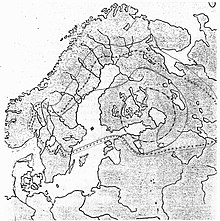
Hand-drawn map of Swedish expansion
Huuhta cultivation spread: within the circle in 1500 AD, within the line in 1600, and to the dashed line in 1700

Modern Western World
Slash-and-burn may be defined as the large-scale deforestation of forests for agricultural use. Ashes from the trees help farmers by providing nutrients for the soil. 
In industrialized regions, including Europe and North America, the practice was abandoned with the introduction of market agriculture and land ownership. Slash-and-burn agriculture was initially practiced by European pioneers in North America such as Daniel Boone and his family, who cleared land in the Appalachian Mountains during the late 18th and early 19th centuries. However, land cleared by slash-and-burn farmers was eventually taken over by systems of land tenure focusing on long-term improvement and discouraging practices associated with slash-and-burn agriculture
Northern European Heritage

Telkkämäki Nature Reserve in Kaavi,  Finland, is an open-air museum which still practices slash-and-burn agriculture. Farm visitors can see how people farmed when slash-and-burn agriculture became the norm in the Northern Savonian region of eastern Finland beginning in the 15th century. Areas of the reserve are burnt each year.

Rustic one-story wooden house with ladders to (and across) the roof
Telkkämäki Heritage Farm and Nature Reserve in Kaavi, Finland

South Asia

Tribal groups in the northeastern Indian states of Arunachal Pradesh, Meghalaya, Mizoram and Nagaland and the Bangladeshi districts of Rangamati, Khagrachari, Bandarban and Sylhet refer to slash-and-burn agriculture as jhum or jhoom cultivation. The system involves clearing land, by fire or clear-felling, for economically-important crops such as upland rice, vegetables or fruits. After a few cycles, the land's fertility declines and a new area is chosen. Jhum cultivation is most often practiced on the slopes of thickly-forested hills. Cultivators cut the treetops to allow sunlight to reach the land, burning the trees and grasses for fresh soil. Although it is believed that this helps fertilize the land, it can leave it vulnerable to erosion. Holes are made for the seeds of crops such as sticky rice, maize, eggplant and cucumber are planted. After considering jhum's effects, the government of Mizoram has introduced a policy to end the method in the state. Slash-and-burn is typically a type of subsistence agriculture not focused on a need to sell crops globally; planting decisions are governed by the needs of the family (or clan) for the coming year.

Recently burned area
Some areas of the reserve are burned annually.

Ecological Implications

Although a solution for overpopulated tropical countries where subsistence agriculture may be the traditional method of sustaining many families, the consequences of slash-and-burn techniques for ecosystems are almost always destructive.


Sumatra, Indonesia

This happens particularly as population densities increase, and as a result farming becomes more intensively practiced. This is because as demand for more land increases, the fallow period by necessity declines. The principal vulnerability is the nutrient-poor soil, pervasive in most tropical forests. When biomass is extracted even for one harvest of wood or charcoal, the residual soil value is heavily diminished for further growth of any type of vegetation. Sometimes there are several cycles of slash-and-burn within a few years time span; for example in eastern Madagascar the following scenario occurs commonly.The first wave might be cutting of all trees for wood use. 


Chiang Mai, Thailand

A few years later, saplings are harvested to make charcoal, and within the next year the plot is burned to create a quick flush of nutrients for grass to feed the family zebu cattle. If adjacent plots are treated in a similar fashion, large-scale erosion will usually ensue, since there are no roots or temporary water storage in nearby canopies to arrest the surface runoff. Thus, any small remaining amounts of nutrients are washed away. The area is an example of desertification, and no further growth of any type may arise for generations.


Santa Cruz, Bolivia
The ecological ramifications of the above scenario are further magnified, because tropical forests are habitats for extremely biologically diverse ecosystems, typically containing large numbers of endemic and endangered species. Therefore, the role of slash-and-burn is significant in the current Holocene extinction.
Morondava, Madagascar
Slash-and-char is an alternative that alleviates some of the negative ecological implications of traditional slash-and-burn techniques.
- Wikipedia 

I'm Going Off Gluten & Feel Tired

Gluten is a protein found in staple grains, such as wheat, barley, rye and most oats, that can trigger digestive problems as well as fatigue, joint pain and autoimmune conditions. Going off gluten is the only way to manage your symptoms and stay healthy if you have celiac disease or are gluten intolerant. You may actually feel worse in the first few days or weeks after eliminating gluten; however, if you persevere, your health and energy will soon be better than ever.

I'm Going Off Gluten & Feel Tired

A book of gluten free recipes. Photo Credit CharlieAJA/iStock/Getty Images

Gluten in Foods

Going off gluten is not necessarily easy, since it is so widely available in many commonly-consumed foods. Many people make the mistake of cutting off most of the gluten and keeping a few occasional bites of gluten-containing bread, cakes or cookies. To improve your health by going off gluten, you need to be vigilant, carefully reading labels to avoid all hidden sources of gluten and be remaining strict with your gluten-free diet. If you are exposed to gluten even just once a month, it can be enough to perpetuate your symptoms of celiac disease and gluten intolerance, which include fatigue and lack of energy.

Gluten Contamination

Even if you are very careful at reading labels and avoiding all foods containing gluten, your diet may still be contaminated with traces of gluten, which can make you feel tired on your gluten-free diet. Cross-contamination is a common problem for people with celiac disease and gluten intolerance. Use different skillets, utensils and cutting boards, if the rest of the family is still cooking with gluten-containing foods. Avoid using the same peanut butter jar as the rest of the family because a few gluten-containing breadcrumbs could contaminate the jar and expose you to traces of gluten. When eating out, ask that your foods be prepared separately with clean equipment to prevent cross-contamination.
Gluten Withdrawal
If you feel more tired after going completely off gluten, it is probable that you are experiencing gluten withdrawal. Although this phenomenon is not well understood, Charles Parker, a psychiatrist treating patients with food intolerances, explains that removing gluten from your diet can cause nausea, diarrhea, depression, insomnia and fatigue. Parker mentions that people with food intolerances can unknowingly be addicted to the very foods that make them feel bad. If you feel tired, you may be suffering from gluten withdrawal. Continue your gluten-free diets for a few more weeks and you should note improvements in your energy level.

Lower Carb Intake

Feeling tired when going off gluten can simply be the result of decreasing your carb intake. Most gluten-containing foods, such as bread, pasta, couscous, breakfast cereals and baked goods, have a high carbohydrate content. You can keep your carb intake up, choosing high-carb, gluten-free foods such as sweet potatoes, potatoes, winter squash, legumes, rice, quinoa, fruits, milk, yogurt and vegetables. Otherwise, decreasing your carb intake requires your body to switch from primarily burning the sugars derived from these carbohydrates to using fat. If you prefer to keep your carb intake lower, include generous amounts of fat at each meal, from olive oil, coconut oil, avocado, butter, nuts and natural nut butter, to provide your body with all the energy it needs.
www.livestrong.com

How to Rub a Banana Peel on Skin to Get Rid of Scars

Bananas are commonly eaten as a healthy snack as they offer valuable nutrients such as the B6 and B12 vitamins. As well of being a source of nutrition, the yellow peel of the banana has skin care benefits. According to Alternative Home Remedies, the peel of the banana has the capability of drastically reducing skin irritation, including swelling and redness. You can also use the peel of the banana to act as a homemade blemish treatment. The potassium and antioxidants housed within the peel of the banana have the ability to diminish the visibility of unsightly scars.

How to Rub a Banana Peel on Skin to Get Rid of Scars

The inside of the banana peel can help to fade scars. Photo Credit banana image by Edvin selimovic from <a href='http://www.fotolia.com'>Fotolia.com</a>


Step 1

Remove the peel of the banana to expose the inner fruit.

Step 2

Eat the fruit of the banana to absorb vital nutrients, while saving the outer layer known as the peel. Pull one strip of the banana peel away from the rest. Bend the peel inside out to expose the white colored inner layer of the peel. Locate the scar on your skin that you wish to fade the appearance of.

Step 3

Rub the soft inside layer of the banana peel back and forth against your scar to allow the surrounding skin to take in the vitamins and nutrients of the peel. Allow the moisture from the banana peel to dry onto the skin of your scar. Moisten a cotton cloth under your sink with some warm water.

Step 4

Rub the dampened cloth over your scar to remove any excess pulp that came from the inner layer of the banana peel.

BIOCHAR

Biochar is charcoal used as a soil amendment. Like most charcoal, biochar is made from biomass via pyrolysis. Biochar is under investigation as an approach to carbon sequestration to produce negative carbon dioxide emissions. Biochar thus has the potential to help mitigate climate change via carbon sequestration. Independently, biochar can increase soil fertility of acidic soils (low pH soils), increase agricultural productivity, and provide protection against some foliar and soil-borne diseases. Furthermore, biochar reduces pressure on forests. Biochar is a stable solid, rich in carbon, and can endure in soil for thousands of years.


Biochar created through the pyrolysis process.

History
Pre-Columbian Amazonians are believed to have used biochar to enhance soil productivity. They produced it by smoldering agricultural waste (i.e., covering burning biomass with soil) in pits or trenches. European settlers called it terra preta de Indio. Following observations and experiments, a research team working in French Guiana hypothesized that the Amazonian earthworm Pontoscolex corethrurus was the main agent of fine powdering and incorporation of charcoal debris to the mineral soil. 
The term “biochar” was coined by Peter Read to describe charcoal used as a soil improvement.
Production
Biochar is a high-carbon, fine-grained residue that today is produced through modern pyrolysis processes, which is the direct thermal decomposition, of biomass in the absence of oxygen,  which prevents combustion, to obtain an array of solid (biochar), liquid (bio-oil), and gas (syngas)  products. The specific yield from the pyrolysis is dependent on process conditions. such as temperature, and can be optimized to produce either energy or biochar. Temperatures of 400–500 °C (752–932 °F) produce more char,while temperatures above 700 °C (1,292 °F) favor the yield of liquid and gas fuel components. Pyrolysis occurs more quickly at the higher temperatures, typically requiring seconds instead of hours. High temperature pyrolysis is also known as gasification, and produces primarily syngas. Typical yields are 60% bio-oil, 20% biochar, and 20% syngas. By comparison, slow pyrolysis can produce substantially more char (~50%). Once initialized, both processes produce net energy. For typical inputs, the energy required to run a “fast” pyrolyzer is approximately 15% of the energy that it outputs.  Modern pyrolysis plants can use the syngas created by the pyrolysis process and output 3–9 times the amount of energy required to run. 
The Amazonian pit/trench method  harvests neither bio-oil nor syngas, and releases a large amount of CO2, black carbon, and other greenhouse gases (GHG)s (and potentially, toxins) into the air. Commercial-scale systems process agricultural waste, paper byproducts, and even municipal waste and typically eliminate these side effects by capturing and using the liquid and gas products.
Centralized , Decentralized and Mobile System
In a centralized system, all biomass in a region is brought to a central plant for processing. Alternatively, each farmer or group of farmers can operate a lower-tech kiln. Finally, a truck equipped with a pyrolyzer can move from place to place to pyrolyze biomass. Vehicle power comes from the syngas stream, while the biochar remains on the farm. The biofuel is sent to a refinery or storage site. Factors that influence the choice of system type include the cost of transportation of the liquid and solid byproducts, the amount of material to be processed, and the ability to feed directly into the power grid.
For crops that are not exclusively for biochar production, the residue-to-product ratio (RPR) and the collection factor (CF) the percent of the residue not used for other things, measure the approximate amount of feedstock that can be obtained for pyrolysis after harvesting the primary product. For instance, Brazil harvests approximately 460 million tons (MT) of sugarcane annually, with an RPR of 0.30, and a CF of 0.70 for the sugarcane tops, which normally are burned in the field. This translates into approximately 100 MT of residue annually, which could be pyrolyzed to create energy and soil additives. Adding in the bagasse (sugarcane waste) (RPR=0.29 CF=1.0), which is otherwise burned (inefficiently) in boilers, raises the total to 230 MT of pyrolysis feedstock. Some plant residue, however, must remain on the soil to avoid increased costs and emissions from nitrogen fertilizers.
Pyrolysis technologies for processing loose and leafy biomass produce both biochar and syngas.
Thermo Catalytic Depolymerization

Alternatively, "thermo-catalytic depolymerization", which utilizes microwaves, has recently been used to efficiently convert organic matter to biochar on an industrial scale, producing ~50% char.

Carbon Sink
The burning and natural decomposition of biomass and in particular agricultural waste adds large amounts of CO
2
 to the atmosphere. Biochar that is stable, fixed, and 'recalcitrant' carbon can store large amounts of greenhouse gases in the ground for centuries, potentially reducing or stalling the growth in atmospheric greenhouse gas levels; at the same time its presence in the earth can improve water quality, increase soil fertility, raise agricultural productivity, and reduce pressure on old-growth forests.
Biochar can sequester carbon in the soil for hundreds to thousands of years, like coal. Such a carbon-negative technology would lead to a net withdrawal of CO2 from the atmosphere, while producing and consuming energy". This technique is advocated by prominent scientists such as James Hansen, head of the NASA Goddard Institute for Space Studies, and James Lovelock, creator of the Gaia hypothesis, for mitigation of global warming by greenhouse gas remediation.
Researchers have estimated that sustainable use of biocharring could reduce the global net emissions of carbon dioxide (CO
2
), methane, and nitrous oxide by up to 1.8 Pg CO
2
-C equivalent (CO
2
-Ce) per year (12% of current anthropogenic CO
2
-Ce emissions; 1 Pg=1 Gt), and total net emissions over the course of the next century by 130 Pg CO
2
-Ce, without endangering food security, habitat, or soil conservation.
Soil Amendment
Biochar is recognised as offering a number of benefits for soil health. Many benefits are related to the extremely porous nature of biochar. This structure is found to be very effective at retaining both water and water-soluble nutrients. Soil biologist Elaine Ingham indicates, the extreme suitability of biochar as a habitat for many beneficial soil micro organisms. She points out that when pre charged with these beneficial organisms biochar becomes an extremely effective soil amendment promoting good soil, and in turn plant, health.
Biochar has also been shown to reduce leaching of E-coli through sandy soils depending on application rate, feedstock, pyrolysis temperature, soil moisture content, soil texture, and surface properties of the bacteria.
For plants that require high potash and elevated pH, biochar can be used as a soil amendment to improve yield.
Biochar can improve water quality, reduce soil emissions of greenhouse gases, reduce nutrient leaching, reduce soil acidity, and reduce irrigation and fertilizer requirements. Biochar was also found under certain circumstances to induce plant systemic responses to foliar fungal diseases and to improve plant responses to diseases caused by soil borne pathogens.
The various impacts of biochar can be dependent on the properties of the biochar, as well as the amount applied, and there is still a lack of knowledge about the important mechanisms and properties. Biochar impact may depend on regional conditions including soil type, soil condition (depleted or healthy), temperature, and humidity. Modest additions of biochar to soil reduce nitrous oxide N
2
O
 emissions by up to 80% and eliminate methane emissions, which are both more potent greenhouse gases than CO2
Studies have reported positive effects from biochar on crop production in degraded and nutrient–poor soils.  Biochar can be designed with specific qualities to target distinct properties of soils. Biochar reduces leaching of critical nutrients, creates a higher crop uptake of nutrients, and provides greater soil availability of nutrients. At 10% levels biochar reduced contaminant levels in plants by up to 80%, while reducing total chlordane and DDX content in the plants by 68 and 79%, respectively. On the other hand, because of its high adsorption capacity, biochar may reduce the efficacy of soil applied pesticides that are needed for weed and pest control. High-surface-area biochars may be particularly problematic in this regard; more research into the long-term effects of biochar addition to soil is needed.
Slash and Char
Switching from slash-and-burn to slash-and-char farming techniques in Brazil can decrease both deforestation of the Amazon basin and carbon dioxide emission, as well as increase crop yields. Slash-and-burn leaves only 3% of the carbon from the organic material in the soil. 
Slash-and-char can keep up to 50% of the carbon in a highly stable form. Returning the biochar into the soil rather than removing it all for energy production reduces the need for nitrogen fertilizers, thereby reducing cost and emissions from fertilizer production and transport. Additionally, by improving the soil's ability to be tilled, fertility, and productivity, biochar–enhanced soils can indefinitely sustain agricultural production, whereas non-enriched soils quickly become depleted of nutrients, forcing farmers to abandon the fields, producing a continuous slash and burn cycle and the continued loss of tropical rainforest. Using pyrolysis to produce bio-energy also has the added benefit of not requiring infrastructure changes the way processing biomass for cellulosic ethanol does. Additionally, the biochar produced can be applied by the currently used machinery for tilling the soil or equipment used to apply fertilizer.
Water Retention

Biochar is a desirable soil material in many locations due to its ability to attract and retain water. This is possible because of its porous structure and high surface area. As a result, nutrients, phosphorus, and agrochemicals are retained for the plants benefit. Plants therefore, are healthier and fertilizers leach less into surface or groundwater.

Energy Production : Bio-Oil and Syngas
Mobile pyrolysis units can be used to lower the costs of transportation of the biomass if the biochar is returned to the soil and the syngas stream is used to power the process. Bio-oil contains organic acids that are corrosive to steel containers, has a high water vapor content that is detrimental to ignition, and, unless carefully cleaned, contains some biochar particles which can block injectors. 
If biochar is used for the production of energy rather than as a soil amendment, it can be directly substituted for any application that uses coal. Pyrolysis also may be the most cost-effective way of electricity generation from biomaterial.
Direct and Indirect Benefits

  • The pyrolysis of forest- or agriculture-derived biomass residue generates a biofuel without competition with crop production.
  • Biochar is a pyrolysis byproduct that may be ploughed into soils in crop fields to enhance their fertility and stability, and for medium- to long-term carbon sequestration in these soils.
  • Biochar enhances the natural process: the biosphere captures CO
    2
    , especially through plant production, but only a small portion is stably sequestered for a relatively long time (soil, wood, etc.).
  • Biomass production to obtain biofuels and biochar for carbon sequestration in the soil is a carbon-negative process, i.e. more CO
    2
     is removed from the atmosphere than released, thus enabling long-term sequestration.

Research
Intensive research into manifold aspects involving the pyrolysis/biochar platform is underway around the world. From 2005 to 2012, there were 1,038 articles that included the word “biochar” or “bio-char” in the topic that had been indexed in the ISI Web of Science. Further research is in progress by such diverse institutions around the world as Cornell University, the University of Edinburgh, which has a dedicated research unit., and the Agricultural Research Organization (ARO) of Israel, Volcani Center,  where a network of researchers involved in biochar research (iBRN, Israel Biochar Researchers Network) was established as early as 2009.
Students at Stevens Institute of Technology in New Jersey are developing super capacitors that use electrodes made of biochar. A process developed by University of Florida researchers that removes phosphate from water, also yields methane gas usable as fuel and phosphate-laden carbon suitable for enriching soil.
Emerging Commercial Sector
Calculations suggest that emissions reductions can be 12 to 84% greater if biochar is put back into the soil instead of being burned to offset fossil-fuel use. Thus biochar sequestration offers the chance to turn bioenergy into a carbon-negative industry. 
Johannes Lehmann, of Cornell University, estimates that pyrolysis can be cost-effective for a combination of sequestration and energy production when the cost of a CO
2
 ton reaches $37. As of mid-February 2010, CO
2
 is trading at $16.82/ton on the European Climate Exchange (ECX), so using pyrolysis for bioenergy production may be feasible even if it is more expensive than fossil fuel.
Current biochar projects make no significant impact on the overall global carbon budget, although expansion of this technique has been advocated as a geoengineering approach. In May 2009, the Biochar Fund received a grant from the Congo Basin Forest Fund for a project in Central Africa to simultaneously slow down deforestation,  increase the food security of rural communities, provide renewable energy and sequester carbon.
Application rates of 2.5–20 tonnes per hectare (1.0–8.1 t/acre) appear to be required to produce significant improvements in plant yields. Biochar costs in developed countries vary from $300–7000/tonne, generally too high for the farmer/horticulturalist and prohibitive for low-input field crops. In developing countries, constraints on agricultural biochar relate more to biomass availability and production time. An alternative is to use small amounts of biochar in lower cost biochar-fertilizer complexes.
Various companies in North America, Australia and England sell biochar or biochar production units. In England Carbon Gold supply a range of biochar-based soil improvers, composts and fertilisers for arboriculture, horticulture and turfcare as well as to home growers. In Sweden the 'Stockholm Solution' is an urban tree planting system that uses 30% biochar to support healthy growth of the urban forest. The Qatar Aspire Park now uses biochar to help trees cope with the intense heat of their summers.
At the 2009 International Biochar Conference, a mobile pyrolysis unit with a specified intake of 1,000 pounds (450 kg) was introduced for agricultural applications. The unit had a length of 12 feet and height of 7 feet (3.6 m by 2.1m).
A production unit in Dunlap, Tennessee by Mantria Corporation opened in August 2009 after testing and an initial run, was later shut down as part of a Ponzi scheme investigation.
- Wikipedia 

CHARRING

Charring is a chemical process of incomplete combustion of certain solids when subjected to high heat. The resulting residue matter is called char. By the action of heat, charring removes hydrogen and oxygen from the solid, so that the remaining char is composed primarily of carbon. Polymers like thermoset, or most solid organic compounds like wood or biological tissue, exhibit charring behaviour. 
Charring can result from naturally occurring processes like fire; it is also a deliberate and controlled reaction used in the manufacturing of certain products. 
The mechanism of charring is part of the normal burning of certain solid fuels like wood. During normal combustion the volatile compounds created by charring and pyrolysis are consumed at the flames within the fire, while combustion of char can be seen as glowing red coals or embers which burn without the presence of flames.
Production of Char
Coke and charcoal are both produced by charring, whether on an industrial scale or through normal combustion of coal or wood. Normal combustion consumes the char as well as the gases produced in its creation, while industrial processes seek to recover the purified char with minimal loss to combustion. This is accomplished by either burning the parent fuel (wood or coal) in a low-oxygen environment or by heating it to a high temperature without allowing combustion to occur. In industrial production of coke and charcoal the volatile compounds driven off during charring are often captured for use in other chemical processes.
A "coal burning" blacksmith's forge actually produces the heat necessary for high-temperature metalworking by the continuous production and consumption of coke within a carefully managed fire. An inner ring of burning coke provides heat which converts the encircling coal into coke, which is then itself fed into the center of the fire to provide the required heat and to create more coke; coal itself is incapable of producing the heat required for some blacksmithing operations.
Charring and Fire Protection

Charring is an important process in the combustion ignition of solid fuels and in smoldering. In construction of heavy-timbered wood buildings the predictable formation of char is used to determine the fire rating of supporting timbers and is an important consideration in fire protection engineering. If a wood column is of large enough diameter, during a structure fire its exposed surface will be converted to char until the thickness of char provides sufficient insulation to prevent additional charring. This layer then serves to protect the remaining structurally sound core of wood, which can continue to carry the building loads if appropriately designed.

Legal Definition

Charring had a special meaning under the common law of England. Under that system, the crime of arson required charring of a dwelling—actual damage to the fiber of the material from which the structure was built—and not mere "scorching" or damage to the surface, or to surface coverings such as carpets and wallpaper.

- Wikipedia

CHARCOAL PILE

charcoal pile (German : Kohlenmeiler or just Meiler) is a carefully arranged pile of wood, covered by turf or other layer, inside which a fire is lit in order to produce charcoal. The pile is tended by a charcoal burner. It is similar to a charcoal kiln, but the latter is usually a permanent structure made of e.g. stone.


Section through a charcoal pile

Literature

  • Karl Hasel, Ekkehard Schwartz: Forstgeschichte. Ein Grundriss für Studium und Praxis. 2., aktualisierte Auflage. Kessel, Remagen, 2002, ISBN 3-935638-26-4
  • Richard B. Hilf: Der Wald. Wald und Weidwerk in Geschichte und Gegenwart – Erster Teil[Reprint]. Aula, Wiebelsheim, 2003, ISBN 3-494-01331-4
  • Hildebrandt, H., Heuser-Hildebrandt, B. and Stumböck, M.(2001): Bestandsgeschichtliche und kulturlandschaftsgenetische Untersuchungen im Naturwaldreservat Stelzenbach, Forstamt Nassau, Revier Winden. Mainzer Naturwissenschaftliches Archiv, Beiheft 25, 83 S., Mainz.

- Wikipedia 

CHARCOAL BURNER

Charcoal burner is someone whose occupation is to manufacture charcoal. Traditionally this is achieved by carbonising wood in a charcoal pile or kiln. As an occupation it has almost died out in the first world countries.
A charcoal burner at his charcoal pile
Charcoal burning is one of the oldest human crafts. The knowledge gained from this industry still contributes to the solution of energy problems today. Due to its historical and cultural importance, charcoal burning and tar distilling were incorporated in December 2014 into the register of the Intangible Cultural Heritage in Germany by the Kultusministerkonferenz.
Charcoal burning in Grünburg near the River Steyr water gap
History and Techniques
Since the Iron Age high temperatures have had to be produced for iron smelting for glassmaking and for the working of precious metals. Charcoal has been used to do this for centuries and, in order to produce it, entire forests were felled. With the increasing use of stone coal from the 18th century, the charcoal burning industry declined.
Charcoal burning near Sosa (Ore Mountains)
Even in ancient times, charcoal was manufactured in kilns. Logs were arranged in a conical heap (a charcoal kiln or pile) around posts, a fire shaft was made using brushwood and wood chips and covered with an airtight layer of grass, moss and earth. The pile was ignited inside the fire shaft and, at a temperature of between 300 and 350 °C, the carbonization process began. The process took six to eight days - in large kilns several weeks - during which time the charcoal burner had to control the draught (by piercing small holes and resealing them), being careful neither to allow the pile to go out nor let it go up in flames. By observing the smoke exiting the kiln, the charcoal burner could assess the state of the carbonization process. If the smoke was thick and gray, the wood was still raw; thin, blue smoke indicated good carbonization.
In earlier times, charcoal burners led an austere, lonely life. They had to live near the kiln, usually in a charcoal burner's hut (Köhlerhütte or Köte in Germany, Austrian and Switzerland). During the Middle Ages, charcoal burners were ostracised. Their profession was considered dishonourable and they were frequently accused of evil practices. Even today there is a certain denigration of this former occupation. In the German language to have a charcoal burner's faith (Köhlerglauben) is to have blind faith. Due to the continuing requirement to keep the kiln at the right temperature, and carbon monoxide rising from the kiln it can be assumed that anxiety, lack of sleep, other psychological disorders and burn scars were part of the job.
Charcoal burning is still carried out commercially in parts of the world today, but only rarely in Europe, for example in Rumania.  Other places where it is still common are the tropical rain forests of South America and Africa.
Even in the 20th century, charcoal burners in remote areas like the Harz Mountains and the Thuringian Forest, still used Hillbillies, a large contraption of beechwood boards, used as alarm and signal device. This is commemorated in the name of a mountain ridge in the Harz, called Hillebille. Today the tradition of this old craft is mainly preserved in clubs and societies. The best known are the European Charcoal Burners' Society (Europäische Köhlerverein) and the Glasofen Charcoal Burners' Society (Köhlerverein Glasofen).
Literature

  • Vincenz Dietrich: Das Ganze der Verkohlung in stehenden Meilern oder die sogenannte italienische Köhlerei, nach den 30jährigen praktischen Erfahrungen und Betriebsresultaten zu Hieflau und Obersteiermark bearbeitet. Kienrich, Graz, 1847 (digitalised).
  • Karl Hasel, Ekkehard Schwartz: Forstgeschichte. Ein Grundriss für Studium und Praxis. 2nd updated edition, Kessel, Remagen, 2002, ISBN 3-935638-26-4.
  • Thomas Strauch: Von Köhlern, Rußbrennern und Harzsammlern – Historische Waldberufe rund um die Holzverwertung. Im Jahrbuch zum Bergmannskalender 2007, pages 173 to 180. Published by Deutsche Steinkohle.

- Wikipedia 

What Vitamins Are in Bananas?

Overview

If you are like most Americans, you eat approximately 26 lb. of bananas each year, according to the USDA. Including bananas in your diet provides you with a compact, ready-to-eat source of natural sugars, fiber, potassium, lutein, carotene, choline, water-soluble vitamins and trace amounts of fat-soluble vitamins.
What Vitamins Are in Bananas?

Bananas provide varying amounts of the B and C vitamins. Photo Credit Susan Fox/iStock/Getty Images

Vitamin B-6

Eating one large banana provides your body with 0.5 mg of vitamin B-6, reports the USDA. If you are younger than age 50, one banana provides roughly 38 percent of the Institute of Medicine's Recommended Dietary Allowance for vitamin B-6.

Vitamin B-6 works with the enzymes in your body to promote metabolic reactions essential for healthy immune system function, protein production and blood sugar maintenance. Your bone marrow uses vitamin B-6 to aid in the production of hemoglobin, the protein within your red blood cells that carries oxygen.

Vitamin C

Adding a large banana to your cereal in the morning provides you with approximately 12 mg of vitamin C, according to the USDA. This amount equates to 16 percent of the Institute of Medicine's RDA for vitamin C if you are a woman and 13 percent if you are a man. Vitamin C aids in the production of collagen, found in your skin, cartilage, ligaments and tendons. It also supports your immune system and aids in wound healing.

Riboflavin

Including a large banana in your lunch adds approximately 0.1 mg of vitamin B-2, or riboflavin, to your diet. Based on the Institute of Medicine's RDA, one banana provides approximately 8 to 9 percent of your daily riboflavin requirement. Vitamin B-2 helps convert the fats, proteins and carbohydrates in your diet into energy. Riboflavin also aids your liver in detoxifying chemicals and metabolizing drugs, reports the Linus Pauling Institute of Oregon State University

Folate

Bananas provide you with small amounts of vitamin B-9, or folate. One large banana includes approximately 27 micrograms of folate, according to the USDA. This amount equates to roughly 7 percent of the minimum daily requirement if you are an adult man or nonpregnant woman. Folate helps your bone marrow manufacture red blood cells, preventing anemia.

Niacin

One large banana contains approximately 6 percent of the Institute of Medicine's RDA for vitamin B-3, or niacin. Niacin helps your body produce needed fats and acts as a cofactor in the metabolism of proteins, carbohydrates and fats.

Thiamine

Eating one large banana provides you with approximately 3 to 4 percent of the Institute of Medicine's RDA for thiamine, or vitamin B-1. Thiamine proves an essential cofactor in converting the foods you eat into energy. It also helps your body manufacture the genetic material needed to produce new cells, reports the Linus Pauling Institute.

Vitamins A, E and K

The fat-soluble vitamins A, E and K are present in trace amounts in bananas, reports the USDA. Although bananas are a healthy addition to your diet, this fruit provides less than 1 percent of the RDA for vitamins A, E and K. Other food choices in your nutrition plan can provide you with the recommended amounts of these fat-soluble vitamins.
www.livestrong.com

Fructose and Glucose in Bananas

Bananas are among the most popular fruits enjoyed in the United States. Chiquita Brands International claims that the average American eats 27 pounds of bananas each year. Bananas are cheap and available year-round, and with their sugar content they provide a quick burst of natural energy to power you through your day. Fructose and glucose are the two most abundant sugars found in bananas, and they occur in roughly equal amounts. Bananas also contain a bit of a third sugar, sucrose.


Fructose and Glucose in Bananas
Young girl holding up a banana. Photo Credit robertprzybysz/iStock/Getty Images

Banana's Sweet Nutrition

According to the USDA National Nutrient Database, a single medium banana contains about 105 calories and roughly 14.43 g of total sugars. Sugar is a carbohydrate, supplying 4 calories per gram. That means close to 58 of those calories come just from the sugar content. Put another way, a medium banana is approximately 55 percent sugar. Fortunately, bananas contain natural sugars and supply a good deal of vitamins and nutrients that make it a healthy choice for most people.

Fructose in Bananas

A medium banana contains approximately 5.72 g of fructose. Fructose is a common sugar found in many fruits, and it is also present in bananas. When you hear about fructose, it's often the controversial artificially produced form of fructose that's used in processed foods and soft drinks in the form of high-fructose corn syrup. However, natural fructose, like other simple sugars, supplies your body with energy. Although your body metabolizes fructose differently than other forms of natural sugar, in limited amounts, fructose is fine for most people, notes California physician and surgeon Jeremy E. Kaslow.
Glucose in Bananas
The same medium serving of banana contains about 5.88 g of glucose, according to the USDA National Nutrient Database. Glucose, most commonly known as blood sugar, is the most common carbohydrate. When you eat, your body breaks down your food into this simple sugar so it can use it as energy for your cells. It's what doctors measure when dealing with diabetes or hypoglycemia.

Changes in Sugar Content

The sugar content of bananas changes as they ripen, in a process controlled by a plant hormone known as ethylene. Green bananas are almost all starch and have low sugar content. As the bananas ripen, the starch content decreases, then sucrose appears. Next, fructose and glucose appear and increase. After about 28 days of ripening, sucrose begins to decline. The sugar content in overripe bananas can be dramatically higher than in bananas that are underripe and optimally ripe.
www.livestrong.com

Advantages and Disadvantages of Fasting for Runners

Author BY   ANDREA CESPEDES  Food is fuel, especially for serious runners who need a lot of energy. It may seem counterintuiti...