Blog List

Sunday, 23 July 2017

Does Eating Old Mushroom Can Be Fatal For Your Body?


Editor's Note: This article has been recently updated with latest information and research studies.

You were probably in situation where you noticed a pack of mushrooms in your fridge that you completely forgot about, and you decided to throw them into the garbage. That was a good decision. Eating old mushrooms can lead to various medical problems and you can find out more about them below.

Consequences of Eating Old Mushrooms

Sometimes, eating old mushrooms can only give you upset stomach where you will feel cramps and may or may not vomit. However, in some cases health effects of old mushrooms are far more serious.
Botulism
This is a rare condition that is caused by bacteria called Clostridium botulinum. There are several different forms of this condition, and foodborne botulism is one of them. All types of botulism are fatal and they are considered as medical emergency. According to information gathered by World Health Organizationbotulinum toxins belong to the group of the most lethal substances in the world. The bacteria that cause botulism can only grow in the absence of oxygen. That is why this severe condition occurs after eating canned foods, foods that weren’t stored properly, and low-acid preserved vegetables like mushrooms, spinach, beets, green beans etc. When you eat food that contains this toxin your nerve function will be disrupted which is followed by paralysis. Symptoms of foodborne botulism are:
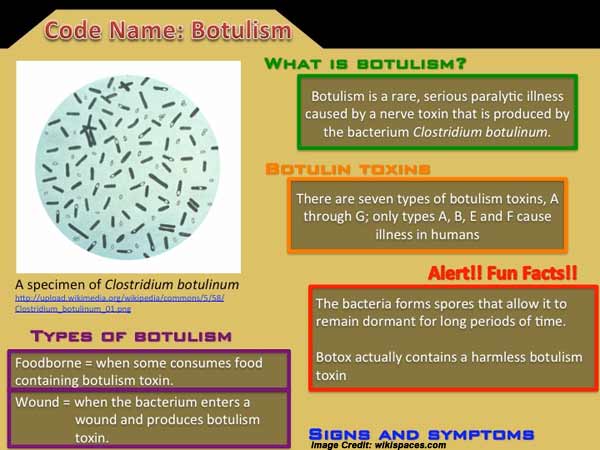
  • Difficulty speaking or swallowing
  • Paralysis
  • Dry mouth
  • Weakness in the both sides of the face
  • Nausea, abdominal cramps, and vomiting
  • Double or blurred vision
  • Difficulty to breathe
  • Dropping eyelids
Botulism
Symptoms of botulism occur between 12 and 36 hours after eating foods that contain these toxins. Botulism can be prevented by eating mushrooms that are fresh or preserved properly. Don’t eat mushrooms whose container smells bad or if it is bulging.
E. coli
E. coli or Eschrichia coli are bacteria that live in our intestines. There are a lot of types of these bacteria and they are usually harmless. However, there are some harmful strains that can lead to severe abdominal cramps and other complications. The person is exposed to E. coli through consumption of contaminated food or water. Mushrooms can become contaminated through unclean water. You are at risk if you don’t clean mushrooms properly and if you eat them either raw or undercooked, some mushrooms can be perfectly fine when they are “young” but as they get older they are also more harmful for your health. Symptoms of E. coli infection occur three or four days after the person was exposed to this bacteria. Also, you can become sick one day after the consumption or even week after. The occurrence of E. coli symptoms varies from person to person, but they include:
  • Abdominal cramps, pain, and tenderness
  • Diarrhea that can go from mild and watery to severe and bloody
  • Nausea
  • Vomiting.
If you notice that diarrhea is persistent, severe, and bloody you should see your doctor immediately.
Salmonella
Salmonella
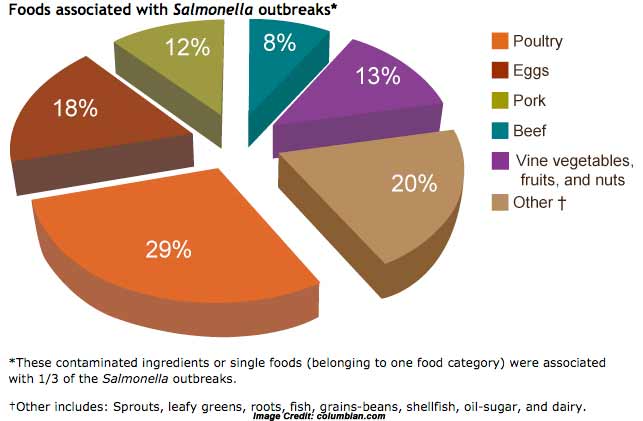
Salmonella is a common disease that affects person’s intestinal tract. People get infected after the consumption of contaminated food or water. Salmonella related to mushrooms can occur when the individual doesn’t handle them properly during cooking, which gets even worse when mushrooms are old. The incubation period after intake of contaminated food can range from several hours to two days. Possible symptoms of salmonella include:
  • Vomiting
  • Nausea
  • Fever
  • Abdominal cramps
  • Diarrhea
  • Chills
  • Headache
  • Blood in the stool
When the person recovers from salmonella it can still take up to several months for their intestinal tract to return to normal. Moreover, some varieties of salmonella bacteria can be deadly and they are more common in developing countries.

How to Know When Mushrooms are Gone Bad and Not Safe to Eat?

Here are some signs that you definitely shouldn’t eat those old mushrooms from your fridge:
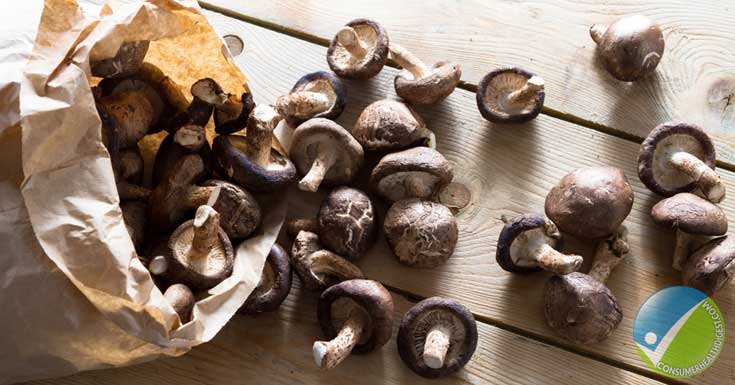
  • They Are Slimy – fresh and properly stored mushrooms aren’t slimy. When you notice that mushrooms in your fridge have gotten slimy it is the first sign for you to throw them into the trash. At this point, they aren’t really dangerous, but they already lost most of their good values and it would be good idea to throw them and buy fresh ones. Additionally, they aren’t as tasty as fresh mushrooms.
  • They Have Wrinkles – in some cases, mushrooms who have been sitting in your fridge for too long don’t get slimy at first, but instead the first sign that they are old is appearance of wrinkles. Also, with the occurrence of wrinkles, they tend to dry out.
  • Mushrooms Get Darker and Dark Spots Appear
    Mushrooms Get Darker and Dark Spots Appear
    Appearance of dark spots on mushrooms is one of the most obvious signs that they are too old. It would be ideal for you to check up on the mushrooms in your fridge from time to time and look for dark spots. If you notice their color is getting darker, you will know they are really too old and you shouldn’t eat them.
  • They Have Been in Your Fridge for More Than Two Weeks – Generally, after two weeks they are considered too old and not safe too eat. However, people usually make mistake by looking at the symptoms at this point. Two weeks is a long period for mushrooms and regardless of the signs of whether they are old or not, you shouldn’t risk it by eating them.
  • They Develop an Odor – fresh mushrooms don’t have a strong and unpleasant odor. If you can notice this type of odor in the mushrooms from your fridge, that means they are really not safe to eat.

What is Mushrooms’ Shelf Life?

Vegetables, fruits etc. don’t have a very long shelf life. Additionally, the longer they are left uneaten the lower their nutritional value is. It is always best to eat mushrooms, and other produce when they are fresh because that is usually when they taste the best and your body is enriched with all nutrients they possess. Mushrooms don’t have a very long shelf life and they tend to spoil pretty fast. You will notice the spoilage by the symptoms listed above. “Expiration date” for mushrooms is:
  • Fresh whole mushrooms – 7 to 10 days
  • Fresh sliced mushrooms – 5 to 7 days
  • Cooked mushrooms – 7 – 10 days

How Long are Mushrooms Safe to Eat When They are Prepared in a Meal?

In generally, mushrooms prepared in some meal last as the quickest expiring ingredient that you used for that meal. You should also avoid eating meals that spent a longer period of time in your fridge as they can disturb your stomach as well.

How to Store Mushrooms Properly?

Although mushrooms don’t have a very long “life”, they can last longer if you store them properly. The most common reason for spoiled and old mushrooms in your fridge is the fact they weren’t preserved adequately. In order to prolong their life and save your health, this is what you should do:
  • Let Them Breathe – Mushrooms should be stored in a way that they get some air but without drying out too much. The best ways to do so is by putting mushrooms into the paper bag and leave it in the fridge.
  • Paper Towels And Plastic Bags – Another way to prevent mushrooms from spoiling too soon is by storing them in the plastic bag that was lined with paper towels. The purpose of paper towels is to attract the moisture. If you want to use this method of storing mushrooms then make sure you change paper towels regularly.
  • Keep Them In The Sealed Wrap – One of the best and most common ways for preserving mushrooms is by keeping them in the sealed wrap they came in.
  • Freeze Mushrooms – It is difficult to freeze raw mushrooms and if you want to preserve them with this method, you should first cook, blanch, steam, or sauté them. When you want to freeze mushrooms, use air-tight bags instead of some containers.
REMEMBER: it would be ideal to eat mushrooms when they are fresh. Also, before you decide to include them into your meal you should wash them thoroughly. Moreover, do not buy mushrooms if they weren’t stored properly in the store or supermarket, or if they kept them at the room temperature.

Causes of Mushroom Spoilage

We have already established that mushrooms can get old pretty fast. However, some factors can speed up this process. For example:
  • Bacterial contamination due to improper storage during transportation
  • If the compost used in fields is already contaminated.

Conclusion

If you suddenly remembered there was a pack of mushrooms in your fridge and you don’t even know when you bought it, instead of including it into some meal you should throw it out. Eating old mushrooms can lead to severe food poisoning, cause some medical complications, and disrupt your intestinal tract that will take a few months to recover. You should always strive to eat fresh mushrooms, store them properly, and wash them thoroughly.

References:

  • http://www.mayoclinic.org/diseases-conditions/botulism/basics/definition/con-20025875
  • http://fawesome.ifood.tv/health/418588-health-effects-of-eating-rotten-mushrooms
  • http://kathrynvercillo.hubpages.com/hub/How_Do_You_Know_When_Mushrooms_Go_Bad

For further information log on website :
https://www.consumerhealthdigest.com/general-health/health-effects-of-eating-old-mushrooms.html

Side Effects of the Detox Diet and How to Stop When Very Sick

Author
by 

Detox diets are intended to cleanse the body of toxins and waste products that accumulate from your environment and your poor lifestyle habits. Detoxes are increasingly marketed as a way to help you lose weight quickly while jump-starting a healthier lifestyle. Although they may assist in weight-loss, initial losses are usually water weight and results are not sustainable for the long-term. Furthermore, prolonged detoxing can result in nutritional deficiencies from poor nutrients and caloric intakes. Healthy adults who have medical consent and supervision may do a short-term detox to rest and cleanse the body from poor dietary habits. However, if you experience adverse side effects and get sick during a detox, it is imperative to see a health professional immediately and stop the detox program.

Dehydration

Detox diets may risk dehydration from inadequate fluid intake. Although many detoxes recommend drinking water and other clear fluids to help fill you up and prevent hunger cravings, dieters may still meet their individual needs. Since caloric intake is restricted during detoxes, the body may retain more water to use in body processes, such as maintaining fluid and electrolyte balances and digestive processes. Detoxes also may increase the frequency of bowel movements to eliminate toxins and undigested foods. Water is lost during this process which may lead to dehydration. Illness and not feeling well during a detox increases risks of dehydration. Drink eight to 10 glasses of water daily and consume clear-based soup broths to meet your fluid intake needs during a detox and if you fall ill. Gradually, break your detox if you do fall ill and increase your intake of fluids with electrolytes to replace lost minerals and soothe an upset stomach.
Advertisement
 

Fatigue

Detox diets commonly lead to fatigue and lethargy, particularly if you are not meeting your daily caloric needs. Most detoxes are low in calories and have restricted fat and carbohydrate intakes. Carbohydrates are the body and brain's main source of fuel for daily physical and mental tasks. Inadequate intake can lead to fatigue, difficulty concentrating and a slowed metabolism from energy conservation. Consult with a health professional to determine your daily nutritional needs. If you fall ill during a detox, increase fluid intake and start adding back in higher carbohydrate foods such as whole grains, including whole wheat toast and oatmeal. Grains may be restricted in favor in favor of low-carb and calorie foods, such as raw vegetable salads.

Weakness

Detox diets typically center around low-calorie foods such as fruits, vegetables, natural juices and whole grains in moderation. Meat and animal products are eliminated to give the body and digestive system a chance to rest and recover from breaking down heavy foods. However, meat is also a high source of protein and dieters may not meet meet their protein needs during a detox. Inadequate protein intake can lead to weakness and muscle wasting over time as protein is the nutrient that assists in the growth, development and repair of muscle and body tissues. If you fall ill during a detox diet, you should still avoid eating heavy foods that can irritate the gastrointestinal tract and increase nausea and vomiting. However, increase protein intake gradually by eating grains that are a source of protein such as quinoa, millet and whole wheat bread; peas and lentils; and lean chicken or turkey breast that has been boiled or grilled with no added oils or fats.

Stopping When Sick

If you fall ill during a detox diet, seek medical consult immediately to avoid any further health risks and for proper treatment. Illnesses may vary from a cold or flu to a gastrointestinal illness with vomiting and/or diarrhea. Each of these conditions may require specialized treatments and individual attention. Avoid stopping the detox and returning to normal dietary habits which may be high in calories, sugars and fats that can lead to further nausea and stomach pains. Consume lighter foods that are nutrient dense such as vegetable and minestrone soups, protein smoothies, oatmeal, brown rice, dry toast and whole grain crackers. Eat every few hours to keep energy levels up and combine with adequate fluid intake. Furthermore, adequate rest is needed to allow the body to rest and recover.
For further information log on website :
http://www.livestrong.com/article/539834-side-effects-of-the-detox-diet-and-how-to-stop-when-very-sick/

Can You Detox Cigarettes From the Body?

Author
by 

Detoxing your body from the effects of smoking cigarettes can be assisted by what you eat and drink every day. To get the most out of this type of detox, begin by quitting cigarettes outright. The recovery process is a gradual one, with your body returning to full health over a period of years. Making some changes to your diet and lifestyle assists in making recovery as smooth and quick as possible.

Start At The Very Beginning: Quit

The very first step of detoxing your body of the chemicals and nicotine from cigarettes is to stop smoking. You can use nicotine patches or gum if you want to do it gradually, or you can go "cold turkey" and do it immediately. Either way, you are likely to have cravings, particularly if smoking was paired with another habit (say, having your morning coffee, or when you had alcohol). Finding something else to do with your hands, or buying an e-cigarette, can help get you over this hurdle.
Advertisement
 

How Long Recovery Takes

According to the American Cancer Society, the detox and recovery process after quitting smoking starts after you finish your last cigarette. Within 24 hours, your heart rate and blood pressure drop, and in the next one to three weeks, lung function and circulation improve. A year on, your lung function is back to normal, and your risk of heart disease has halved. Five years out from quitting, your risk of developing most cancers or having a stroke has dropped dramatically; and 15 years on your risk of heart disease will be that of a nonsmoker.


Drink Up

Drinking plenty of water will help hydrate your body, and start to flush out the toxins and chemicals that have built up in your cells. Depending on how long you smoked, this can take a while. However, drinking more water will help you feel more alert and energetic — which is very important if you've been relying on cigarettes for the energy kick. Aim to drink six to 12 cups of water per day, adding lemon or lime juice if you want some extra flavor.

Go Green

Eating fibrous green vegetables is an important feature of a detox diet. The members of the cruciferous vegetable family are high in glucosinolates, which are vitamins and mineral compounds that appear to reduce the development of cancerous cells. These vegetables are easy to get at your local supermarket, and you should eat about five cups per day. Good choices include broccoli, Brussels sprouts, cabbage, cauliflower, collard greens, kale, radishes, spinach and turnips.

Get A Move On

Exercising frequently will also help detox your body of the damaging chemical load from cigarettes. Exercise improves circulation, cell regeneration and the release of toxins from the body. Your body excretes chemicals in your sweat, and drinking water after a workout provides your cells with clean, chemical-free water. As you start exercising more you'll begin to regain the lung capacity you lost while smoking.
For further information log on website :
http://www.livestrong.com/article/259149-how-to-detox-cigarettes-from-the-body/

What happens to your body when you quit smoking


Shutterstock
Jessica Sager

There are a lot of reasons to quit smoking. It's expensive, it makes your hair and clothes reek, and, honestly, it's just so 90s. But the biggest reason to butt out? Obviously, your health. You already know that smoking kills, but you may not realize just how dramatically quitting smoking can improve how you feel.

You'll go through physical withdrawal


Shutterstock

Time to rip off the band-aid: Quitting smoking can really suck in the beginning. People may not realize how addictive nicotine is until they stop using it. If you're quitting smoking cold turkey, it may be a tough time, at least in the beginning. Physical symptoms of withdrawal include headaches (that are suspected to be a result of stress), dizziness (from a drop in blood pressure and heart rate), fatigue, hunger, nausea, and coughing. You may also have an increased appetite and have trouble sleeping. All of these symptoms subside over time, usually sometime between a few weeks to nine months, depending on how much and how long you've been smoking.

You'll go through psychological withdrawal, too


Shutterstock

You may also face some psychological withdrawal symptoms. Mood swings, depression, confusion, a shortened attention span, jitters, irritability, and powerful cravings – both for cigarettes and for food – can be expected. Just remember: All of this is temporary! For most smokers, psychological withdrawal symptoms start to fade after about two weeks, and they'll likely be completely gone in nine months.

Your blood circulation improves


Shutterstock

Get this: Just two hours after you quit smoking, your blood circulation improves drastically. Nicotine raises your heart rate and blood pressure, and within just hours of quitting (sometimes just 30 minutes), your heart rate and blood pressure lower to a normal, healthy rate. You'll feel the difference: When your circulation is a healthy level, your fingers and toes, which may have felt cold before, will finally start to warm up.

You might gain a little weight


Shutterstock

Sometimes when you first quit smoking, your cravings for cigarettes are felt along with hunger pangs and extreme food cravings. This is totally normal because you're depriving yourself of nicotine, which stifles hunger. Each time a new shot of nicotine hits your brain, it activates the body's natural "fight-or-flight" stress defenses, WhyQuit explains. Those defenses release stored fats into your bloodstream, which is why you may not have felt hungry when smoking – and why you may have blood sugar swings when you quit.

This doesn't mean that quitting smoking will definitely make you gain weight – and any weight that you gain is likely to be unsubstantial if your other habits are otherwise healthy. It just means that if you quit smoking, be extra conscious of your blood sugar levels and what you're eating to sustain your energy.

Your heart will love you again


Shutterstock

Just 12 hours after you quit smoking, the amount of carbon monoxide in your blood decreases, which increases the amount of oxygen in your blood – giving your heart a well-deserved break. A year after you quit, your likelihood of a heart attack and risk of heart disease drops to half that of a smoker's risk. The benefits keep coming over time: 15 years after quitting smoking, your risk of heart disease finally drops to the levels of that of a nonsmoker, and your risk of other cardiac issues, like arrhythmia and angina, drop to normal levels, too.

However, that doesn't mean you can live as if you never smoked just because you kicked the habit, especially if you were an avid smoker before. Your heart health was damaged the moment you picked up that cigarette. Cardiologist John Higgins explained to Everyday Health, "If you light up and smoke now, the substances in the cigarette are going to increases your heart rate and blood pressure right away. Long term, you're looking at hypertension, which, coupled with the fact that smokers often don't work out and are overweight, adds to the negative heart effects."

Your stroke risk drops dramatically


Shutterstock

Smoking increases your risk of suffering a stroke by narrowing your blood vessels, which hinders your blood circulation to your brain. Though it's a gradual improvement, know that within 18 months to 15 years after you quit smoking (depending on how much, how often, and how long you smoked), your stroke risk drops back down to that of a non-smoker. It's also important to note that if you're on hormonal birth control, you should not smoke under any circumstances as these combined behaviors present a potentially deadly stroke risk.

You'll breathe a lot better


Shutterstock

The good news: Your lungs will start improving in as little as a few weeks to a few months after you quit smoking. Norman Edelman, the chief medical officer of the American Lung Association, explained that within this period, "The little hair-like projections in the airways that we call cilia – which are paralyzed by smoke – begin to work again. [...] Breathing will get better. Exercise capacity will get better."

You'll cough a bit more


Shutterstock

Dr. Edelman adds that part of your improved breathing may actually involve coughing. "Paradoxically, people find that they cough a little more right after they stop smoking," he said, but that's natural. That's the lungs cleaning themselves out." The coughing usually decreases  drastically within nine months. You can speed up the process by using air purifiers, avoiding air pollution as best as you can, trying out deep-breathing exercises and yoga, and steering clear of too much dairy, which can stimulate mucus production and make you cough more.

You'll have a brighter smile


Shutterstock

Quitting smoking is a reason in itself to smile, but you'll grin even wider when you find out how much it literally brightens your smile.

"Most changes in the mouth due to smoking are reversible, including bad breath and yellowed teeth," Dr. Abinash Achrekar, assistant professor of medicine in the division of cardiology at the University of New Mexico in Albuquerque, told Everyday Health. That means that those yellow stains on your chompers will fade once you kick your habit. You're also at a much lower risk for gum recession and periodontal disease, but the benefits don't end there: Even your lips will look better, because you're much less likely to have burns or mouth sores once you stop sucking on those cancer sticks.

Your skin will glow – and you'll slow the aging process, too


Shutterstock

Lighting up can dim your skin's glow, but quitting can restore your youthful luster to a degree. Dr. Jenny Van Amburgh told Everyday Health, "The thousands of chemicals in cigarette smoke cause a breakdown in the major structural components of the skin – elastin and collagen. When these components are damaged, your skin loses its firmness, elasticity, and strength."

What's more, nicotine narrows your blood vessels, which limits the blood flow to your skin. As a result, less oxygen and nutrients get to yourskin cells, which can cause dullness and creasing. Quitting smoking may not be able to entirely reverse wrinkling, but it will absolutely keep you from aging prematurely any more than you may already have, especially in the crow's feet areas under and around your eyes.

Your breasts will thank you


Shutterstock

Believe it or not, smoking even affects how your breasts look. Here's some news that will perk you up: "The chemicals in cigarettes cause skin to sag and lose elasticity and tone, and this can cause sagging of the upper arms and breasts," Pat Folan, RN, the director of the North Shore-LIJ Center for Tobacco Control in Great Neck, New York, told Everyday Health. "In addition, studies have linked breast cancer to smoking and secondhand smoke exposure." Quitting smoking will not only help your breasts look better, but it will also keep them healthy.

You'll smell better (and so will everything else)


Shutterstock

Smoking dulls your sense of smell. Within days (sometimes even hours) after quitting smoking, your sense of scent can skyrocket back to healthier levels. You'll be more likely to smell tobacco on yourself, along with any other weird body odors you may have been missing. As a result, you may end up improving your own hygiene, wearing less cloying perfume, and even enjoying the smell of flowers – because you can.

Food tastes better


Shutterstock

Since your sense of smell improves when you quick smoking, this directly connects to your sense of taste, which can dramatically improve within days. Studies show that smokers' sense of taste is diminished and they have limited taste bud regeneration, especially with bitter flavors. When you quit smoking, you're much more likely to really savor your morning coffee, whose flavor is particularly dulled for tobacco users. You're more likely to enjoy subtly flavored foods when you quit smoking, because you may not have been able to detect all the details when nicotine was clouding your senses.

You'll get a natural manicure


Shutterstock

Quitting smoking is like giving yourself a free mani: The yellowish stains on your fingertips will fade over time, and even your nails' appearance will improve. Dr. Van Amburgh explained to Everyday Health, "After you quit smoking, you will notice a line on your fingernail between the new-growth nail (non-stained) and the stained nail. Eventually, the new nail will replace the stained nail."

Since smoking accelerates the aging process in your skin, you'll notice a marked difference in your hands as well, which are one of the first areas of your body to show damage from sun exposure, age, and free radicals.

Your immune system improves


Shutterstock

Smoking suppresses your immune system, making you more susceptible to getting sick – and making you stay sicker longer than a non-smoker. Smoking makes you particularly susceptible to respiratory infections like bronchitis and pneumonia because of the irritation and damage it causes your lung tissue. Smokers may also have autoimmune responses, in which your immune system attacks your own lung tissue instead of fighting off infections and free radicals. Even minor injuries like scrapes and bruises take longer to heal when you smoke!

The good news? If and when you quit smoking, your risk for all of these terrible things drop drastically right away. Rather than battling a cold (or a skinned knee) for weeks, you'll notice the healing of any injury or illness will speed up significantly.

Your hair will look beautiful


Shutterstock

Smokers may notice that they lose more hair in the shower. This isn't a coincidence: All those chemicals you're inhaling affect every part of your body. That includes your hair follicles, which can make you shed more than a non-smoker. And this isn't simply a result of the chemicals, but also due to the lack of blood circulation in the body that smoking causes. When you quit smoking, your hair will look thicker, fuller, and more lustrous, and it'll finally lose that ashtray scent that even the best shampoo has a tough time covering up.

If you wait too long to quit, you may have lasting damage.


Shutterstock

Quitting smoking will only ever benefit you. That said, some damage to your body from smoking heavily or for an extended period of time may be irreversible. If you developed chronic obstructive pulmonary disease (COPD) or chronic bronchitis, you may have scarring in your airways that can't be reversed.

If you have emphysema, that's also permanent, Dr. Edelman explains. "Emphysema is a disease in which the walls of the fine air sacs of the lung – the place where the lung does its business of exchanging oxygen for carbon dioxide – break down," he says. "So tiny little air sacs become bigger ones, and they're less efficient at transporting oxygen. The lung can't grow new walls for these air sacs. The lung loses tiny blood vessels and can't grow new ones. So that's permanent."

The good news? The sooner you quit, the less likely you'll be to have to deal with these issues at all. If you do develop them, the sooner you quit, the less severe they'll be. Time is of the essence!

Read More: http://www.thelist.com/24944/happens-body-quit-smoking/?utm_campaign=clip

For further information log on website :
http://www.thelist.com/24944/happens-body-quit-smoking/

Advantages and Disadvantages of Fasting for Runners

Author BY   ANDREA CESPEDES  Food is fuel, especially for serious runners who need a lot of energy. It may seem counterintuiti...