Blog List

Friday, 21 July 2017

Top Tips for Living Off The Grid

Author
LongTimeMother profile image
LTM's small farm is completely off the grid. Her family uses solar and alternative power sources for lighting, cooking, animal fencing etc.

What does 'living off the grid' mean?

To be a genuine off-gridder your home is not connected to electricity from the power grid and your home does not access a town or regional water supply. You are without access to community utilities including waste disposal.
In the days before the invention of mobile / cell phones, living off grid represented significant social isolation. Traditionally, living off grid meant no connection to power, water or telephone so life off-grid was very tough.
In the 21st Century, however, living off the grid is a lifestyle choice that can be remarkably comfortable and incredibly rewarding.
  • We can access solar, wind and/or hydro power (and store it in batteries for later use.)
  • Water storage tanks are larger, lighter and easier to install than the concrete or metal tanks of old.
  • Composting toilets are much less trouble than old-fashioned septics.
  • Satellite and wireless technology allows us to communicate with the world.
  • A better understanding of insulation and home design can reduce our need for heating and cooling.
As an increasing number of people choose to pursue off-grid lifestyles, it is interesting to note that even homes connected to community power and water supplies are beginning to embrace off-grid technology including passive solar home design, solar hot water and solar cooking.

Do you live off the grid?

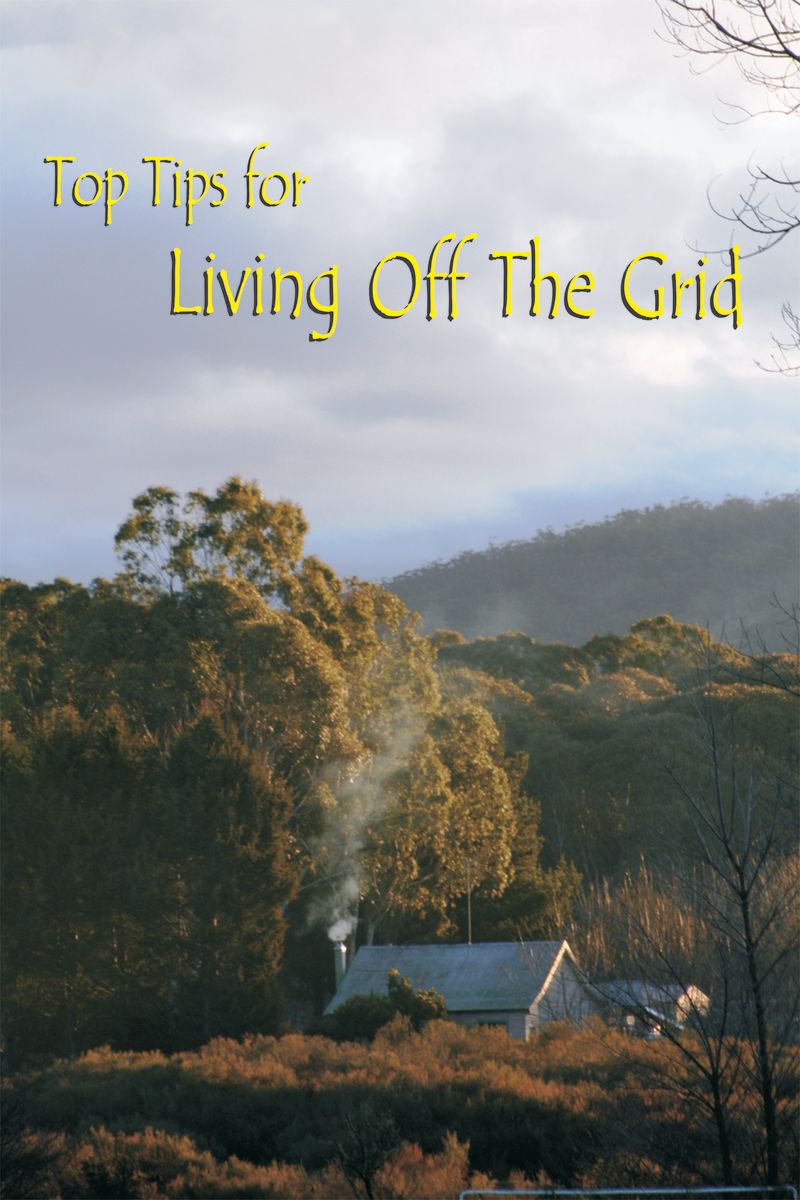
This home is down the road from me. My home has more grass and clear area around it to provide better access for sun to my solar panels, and a greater fire break if the bush catches alight during summer fire season. No shortage of wood in winter!
This home is down the road from me. My home has more grass and clear area around it to provide better access for sun to my solar panels, and a greater fire break if the bush catches alight during summer fire season. No shortage of wood in winter! | Source

What do I need to know before I move off the grid?

Over the years that my family has been homesteading and becoming more self-sufficient with our orchards and vegetable gardens etc, I have often been quizzed by individuals and families seeking a more independent and sustainable lifestyle.
People ask me what are the most important things to know before making the move off grid. They want to make lists, but don't know where to start.
Well, here's the five key points I decided provide the best starting point. Keep these five facts in mind, and focus on them to inspire and compile your own list of what you'll need to cope with your new lifestyle.
  • Summer is hot.
  • Winter is cold.
  • Nights are dark.
  • Gardens need good soil, and
  • Water doesn't run uphill.
If you can meet the challenges associated with these five basic facts, you can develop a plan for sustainable living. :)
Here's a few more helpful tips for successfully living off the grid ...

How will you stay warm when you are living off the grid?

Generating heat is always a major challenge when living off the grid. Solar power solves most problems, but you'll find it difficult to warm an entire house if you are simply relying on photovoltaic panels and deep cell batteries.
Our main strategies for keeping our home warm in the winter include:
  • Slow-combustion wood fire in our main living area
  • Insulation - walls and ceiling
  • Passive heating - large glass doors in kitchen face positive sun direction
  • Clever home design - including window size and placement
  • Appropriate garden design - don't let evergreen trees block your winter sun
  • Interior design - including choice of window coverings.

Dual purpose heating

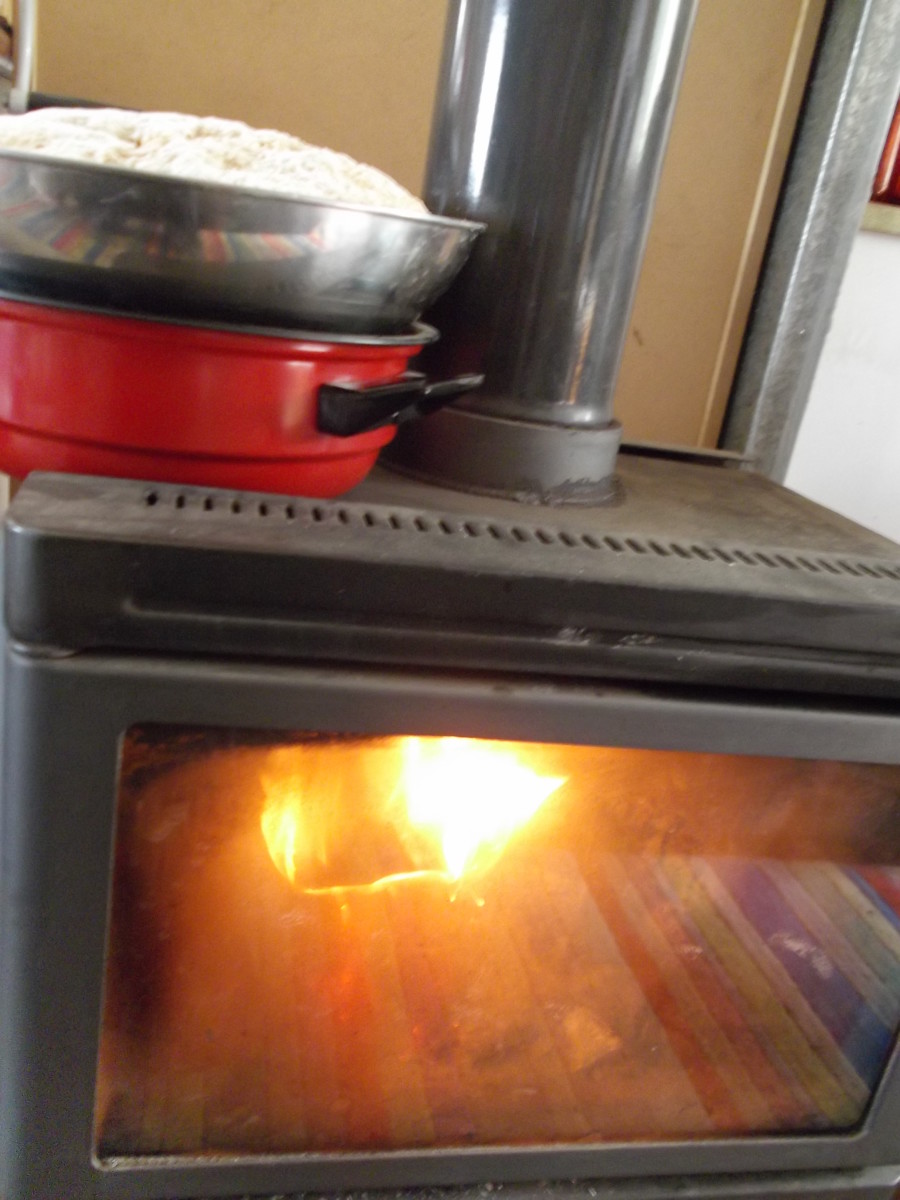
This basic slow combustion heater is put to work helping dough rise. The bowl is elevated from direct heat.
This basic slow combustion heater is put to work helping dough rise. The bowl is elevated from direct heat. | Source

Defining 'junk' when you live off the grid

When you make the move and live off the grid, suddenly many of your prized possessions are absolutely useless. Even more interesting is the way that things you once considered to be worthless suddenly become gems.
For instance, we bought a second-hand water pump and, on the way home, my husband and I laughed out loud at the fact we would never have considered buying such an item before we lived off the grid. Yet we were genuinely excited by getting such a good deal.
Of course the invention of solar-powered water pumps makes pumping water in sunny weather easy — but what about during lengthy cloudy periods. What will you do then?
Generators require fuel. Hand pumps just require a little effort.

An unexpected bargain ...

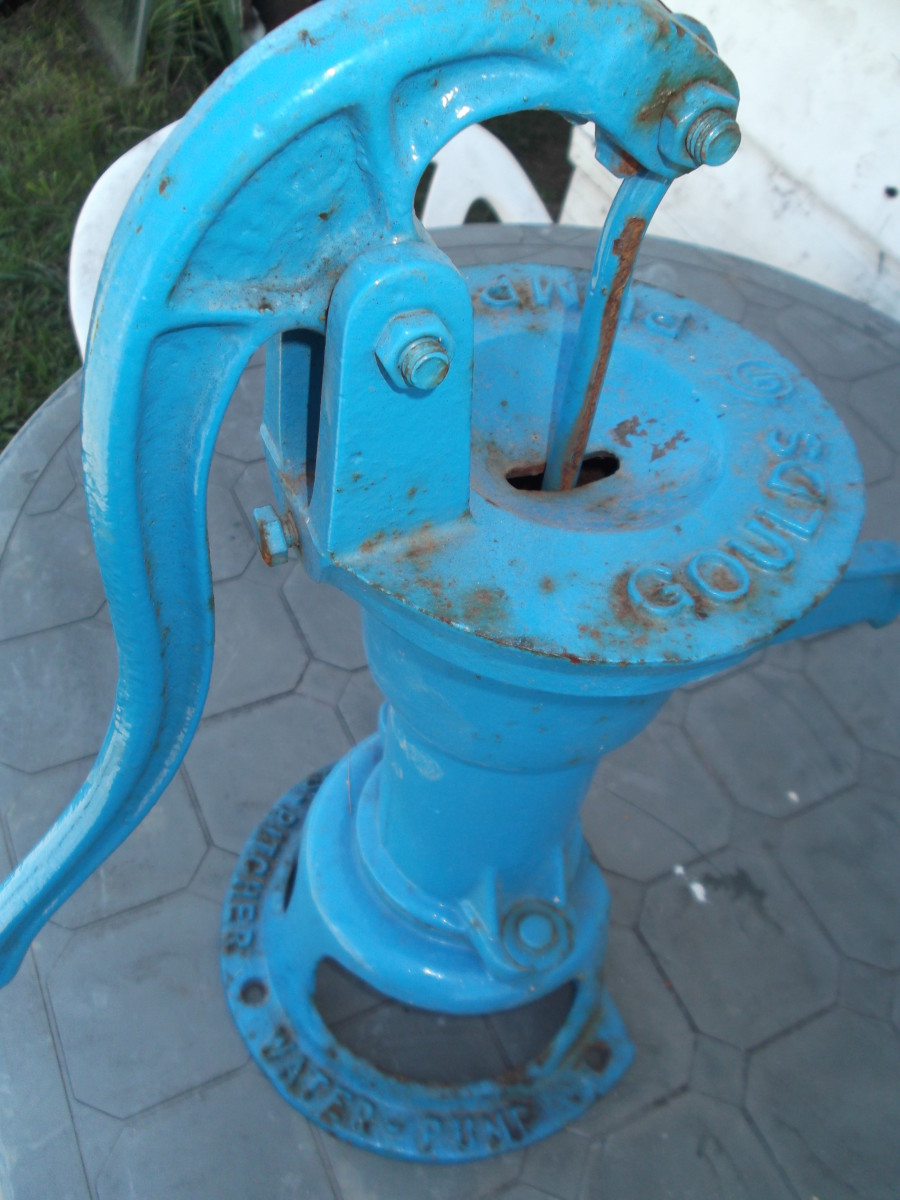
A hand operated pump allows you to retrieve water from a well without needing power.  What a gem!
A hand operated pump allows you to retrieve water from a well without needing power. What a gem! | Source

Solar hot water for off-grid living

Complete 7 Panel GH Type Freeze Protected Hybrid Solar Water Heater Kit
As soon as you decide to live off grid, the sun becomes your new best friend. Solar hot water systems can be connected to existing hot water storage tanks. Solar systems requiring freeze protection for colder areas are slightly more expensive than systems for warmer areas. During foul winter weather you might need to connect LPG/propane gas ... but when it is sunny you get your hot water without any additional power bills!
 

Off-gridders recycle with a passion

When you live off the grid, recycling becomes much more than just separating your glass from your plastics and putting them out on the kerb for collection.
Suddenly everything is viewed with the question, "How can I put this to good use?"
Egg cartons make great seed-starters, until such time as you have your own hens. When you are collecting your own fresh eggs each morning, an egg carton is recycled until it falls apart. lol.
The interior drum of a discarded washing machine is surprisingly perfect for containing small fires outdoors. The perforated holes in the sides allow sufficient airflow to feed the fire with oxygen, without allowing embers and debris to blow out onto nearby grass. Made of stainless steel, it is ideal for resting a barbecue grill on the top.
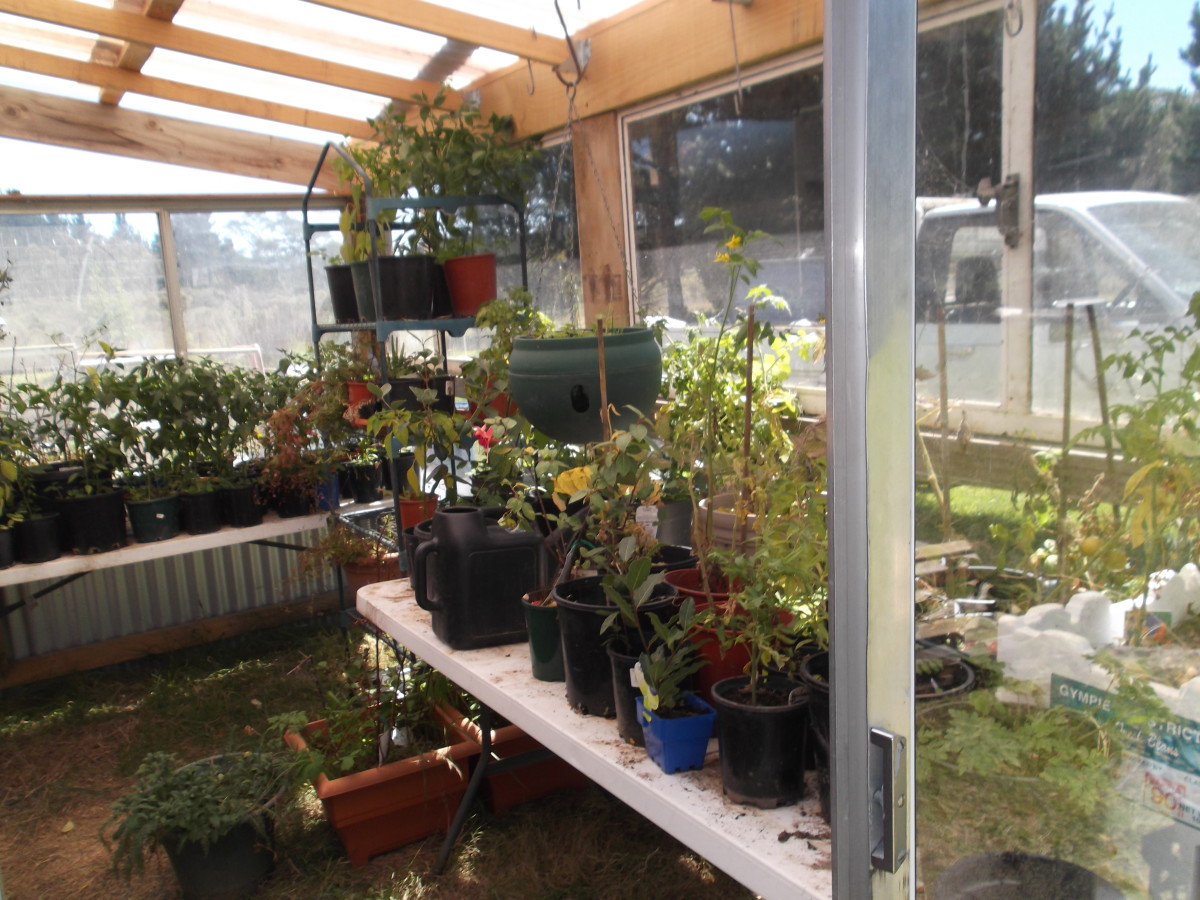
When word spread that my husband was incorporating a greenhouse extension into the sunniest side of our big garden shed, everyone we spoke to seemed to have a spare window or glass door.
Our new greenhouse extension on the garden shed is built mainly from recycled windows and doors.
Our new greenhouse extension on the garden shed is built mainly from recycled windows and doors. | Source

Give, swap and barter

Off-grid currency takes many forms. At harvest time, it is easy to swap your own produce (particularly if it is organic).
As word spreads of my husband's magnificent chilli spread, made from our home-grown, organic tomatoes, chillies, garlic and other herbs, he is being inundated with offers to 'name his own price' in return for a precious jar.
Fortunately one of the fans of his chilli-spread is a local builder who has a constant flow of excess building materials including timber and insulation materials. The wall between the garden shed and the green house is now nicely insulated.
I am sure there must be some people living off the grid who have a high disposable income and are happy to purchase everything they need from a retail store, and to discard items without thought for who else might need them. I haven't met anyone living off the grid who fits that profile yet.
In my world of off-grid living, everyone checks with others before taking anything of potential value to the community rubbish tip. Once the decision is made to discard an item like an old washing machine or an old electric oven, conversations with friends make at least a passing reference to its availability.
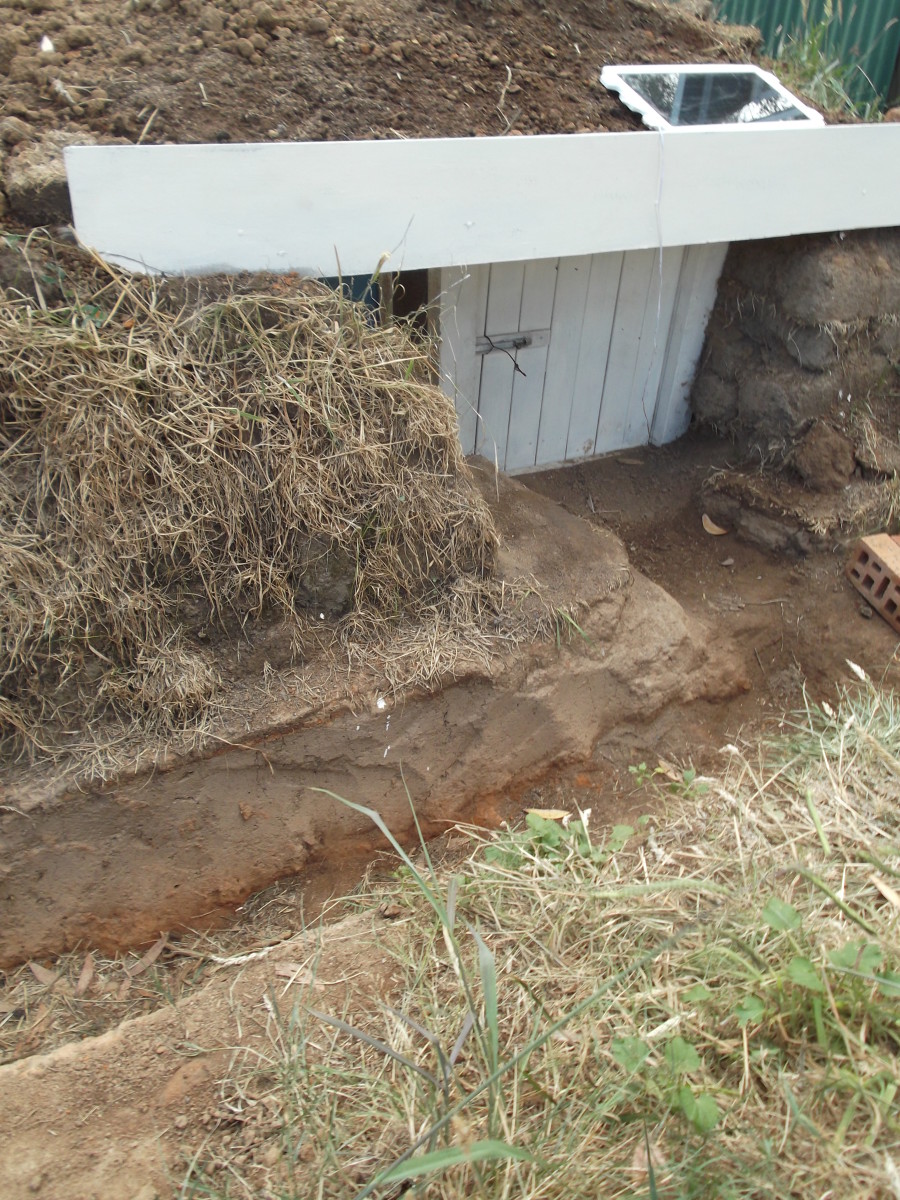
Just last week I requested an oven door. I'm in the process of creating a rammed earth wall around the entry to my below-ground fire bunker and have been giving thought to 'peep holes'.
Hmmm. Oven doors survive extreme heat. I wonder if I could ram earth around an oven door, leaving just a small portion exposed to allow me to see through it if I wanted to check the progress of a wild fire. I now have a door so I can experiment.
Before taking anything to the tip, there are a few questions to ask yourself.
  • "How could I use this now, or in the future?"
  • "Is it worth keeping?"
  • "Who do I know who needs one of these?"
  • "Do they have something I'd like to ask them for in return?"
Living off the grid provides a real appreciation for the saying 'One man's trash is another man's treasure'.

Build using recycled materials

The entry to my fire bunker, built using my own earth plus recycled materials including old metal water tanks
The entry to my fire bunker, built using my own earth plus recycled materials including old metal water tanks Source

A garden is essential when living off the grid

Nothing keeps fruit and vegetables fresher than leaving them on the trees or in the ground. Once you are living off the grid, you will definitely need a garden.
When you are looking for a place to buy, consider the climate and take a look at the soil. If you can successfully grow organic fruit and vegetables, you can feed your family and still have enough left over to barter with others.
Within your garden be sure to plant medicinal herbs so you can tap into nature's medicine chest. I grow a wide variety of herbs including comfrey for healing broken bones.
Reliable rainfall is essential because you'll need to harvest rainwater and collect it in storage tanks for use during dry periods. The bigger your garden, the more water you'll need.

To be self-sufficient, you must be able to eat

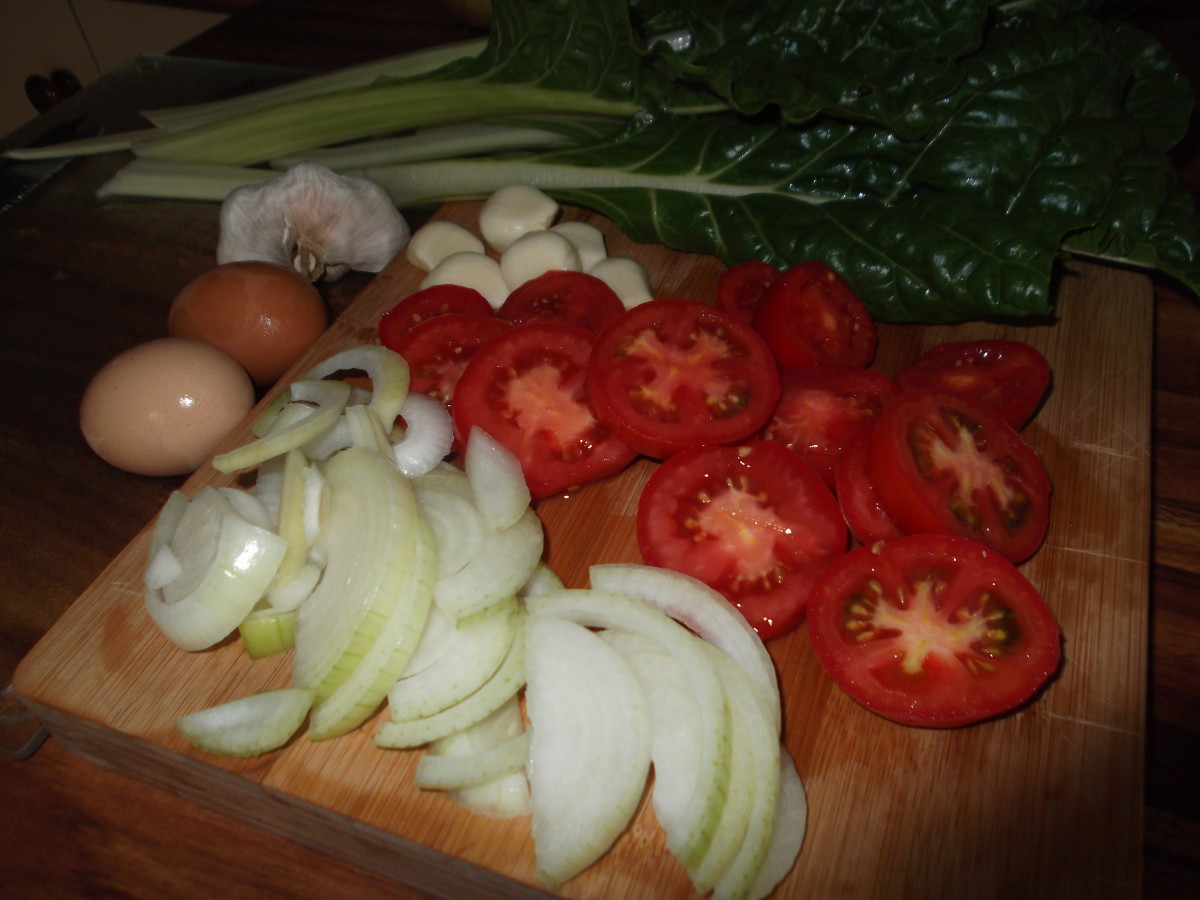
Mmmm. I love preparing meals with my own organic home-grown foods!
Mmmm. I love preparing meals with my own organic home-grown foods! | Source

Dual purpose cooking and heating

Wood Burning Cook Stove La Nordica "Rosa Maiolica Bordeaux", w/ Wood Baking Oven
Cooking off grid can be a challenge. If you can afford it, definitely consider buying a wood burning stove/oven like this one. Your location, climate and home design might require an additional (less expensive) heater for overnight wood-burning ... but what a bonus to be able to heat your kitchen and cook a healthy dinner at the same time! Remember when you are buying a heavy stove you have to get it home. There is a definite advantage to home delivery. :)
 

Grow organic herbs to use and trade

Click thumbnail to view full-size
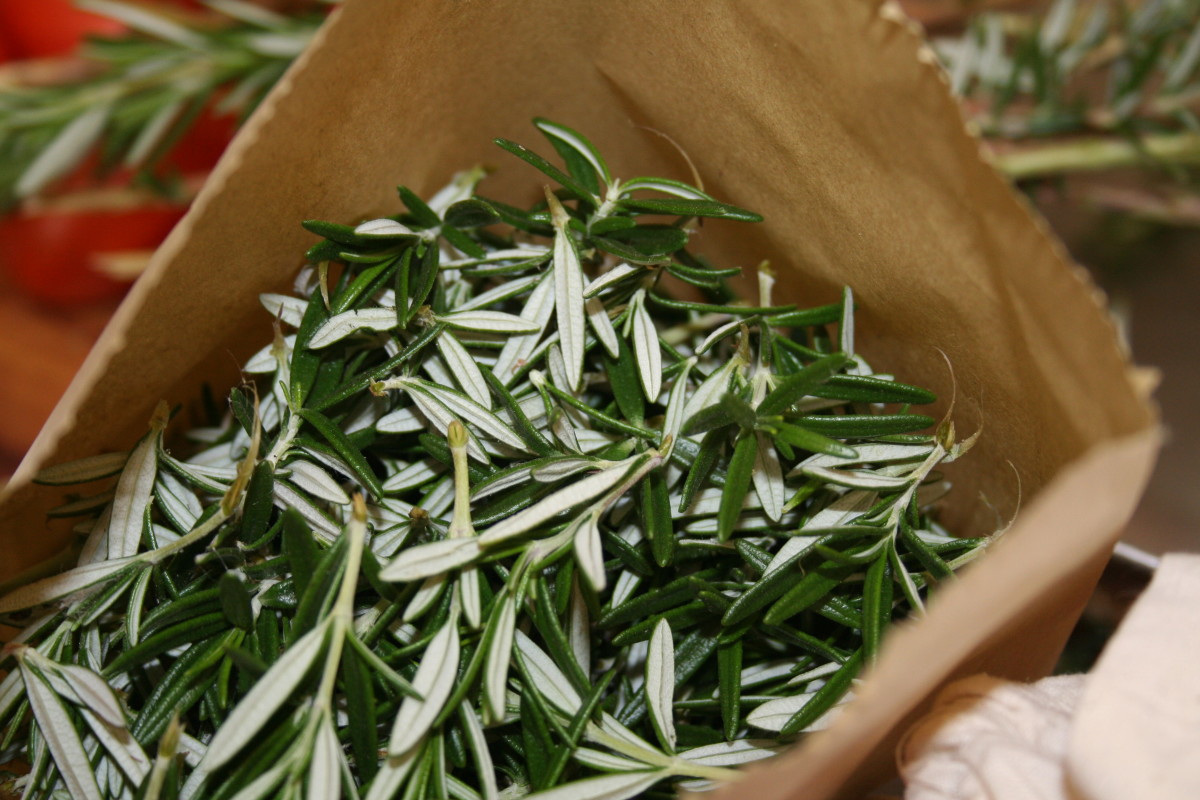
My organic herbs, fresh and dried, are very popular.
My organic herbs, fresh and dried, are very popular. | Source

Explore your off-grid landscape

We were lucky with our choice of land. It wasn't until we'd bought and moved in that we became aware of the history of gold mining in the area.
Now we are hobby prospectors with a range of gear including metal detectors, pans and sluices. By talking with locals we learned the best places to look for gold ... with an encouraging amount of success.
You might find your region has one of many precious stones hidden underground. Keep an eye out for sparkles while you are digging your vegetable garden. lol.

Talk to the locals!

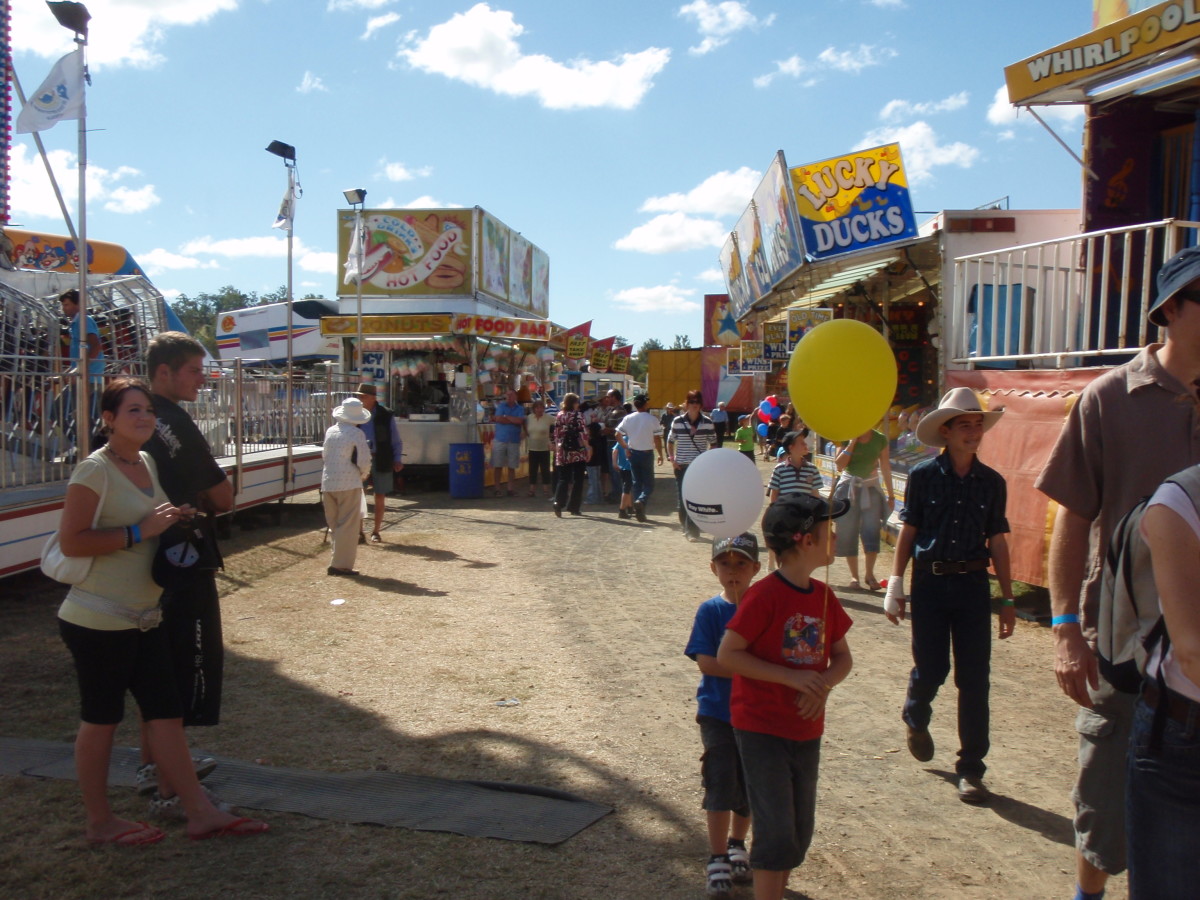
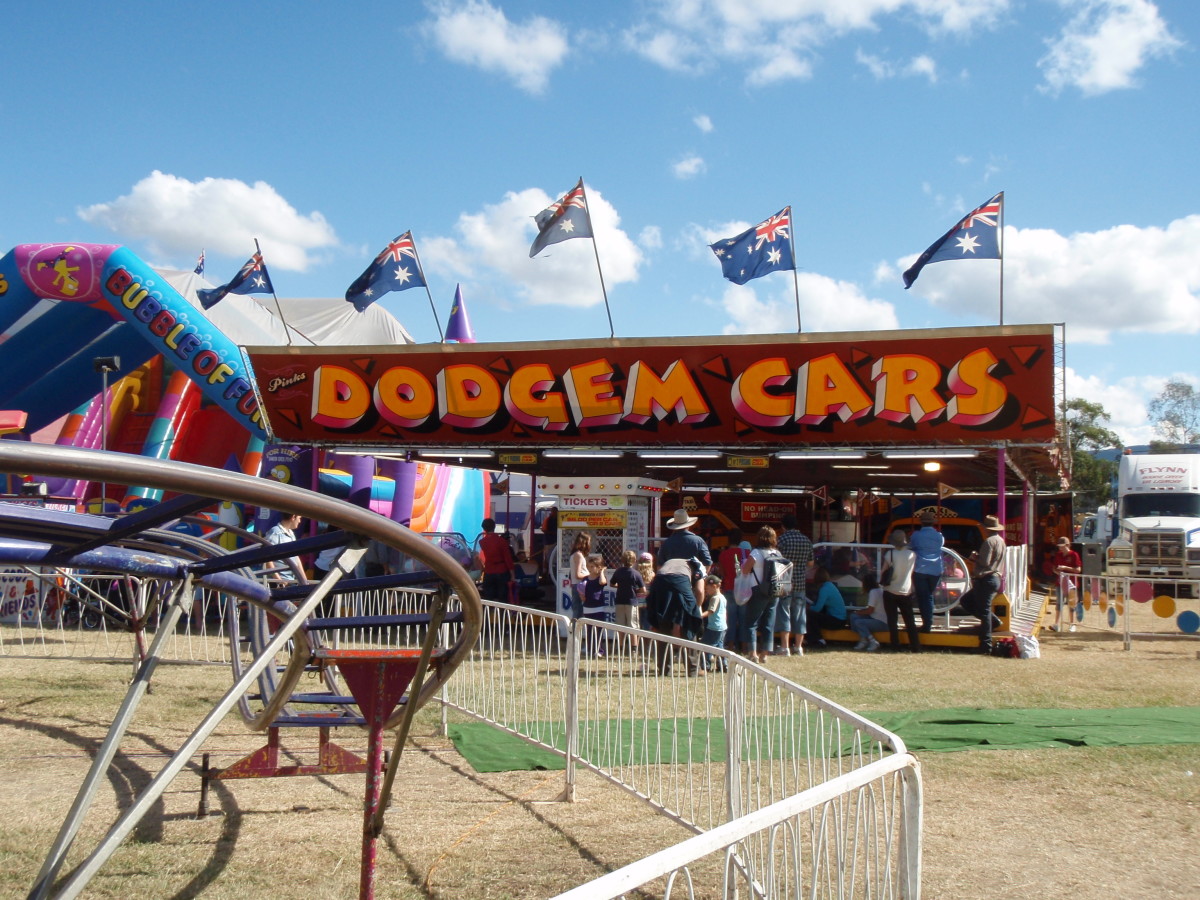
Many small towns have an annual show with novelties for children. Visit your nearest show and talk to the locals.
Many small towns have an annual show with novelties for children. Visit your nearest show and talk to the locals. | Source

Network with the locals, including other off-gridders

Taking yourself off the grid generally involves moving home. It is hard to imagine a city dweller successfully living off the grid without relocating to the country.
When you arrive at your new destination, it is important to network with the locals.
These are the people who will identify the most reliable tradespeople, the best retail outlets with the best prices, and point you in the direction of someone who might be about to upgrade their solar system and may sell you their old one cheaply. You can't find this kind of valuable information on the internet.
Personally I think arriving in a new location with a child in tow is always a bonus. You get the chance to meet other parents at the school, chat with onlookers at the kids' sporting events, and a child always offers a good incentive to attend the local show.
Whether you have a child or not, my top tip for anyone living off the grid is to get out and meet people.
Strike up a conversation in the supermarket, even if it is to comment on a good bargain to another shopper. Frequent the local small businesses and chat with the owners, telling them you are new to the area and that you appreciate the convenience of stores like theirs.
Source
Source

Enjoy your off-grid lifestyle!

I have had the good fortune of visiting many countries in the world and, without exception, it is the people who live in rural areas who I find are the friendliest and easiest to engage in conversation.
Living off the grid can be great fun. Enjoy the process of becoming as self-sufficient as you can.
The rewards are wonderful!
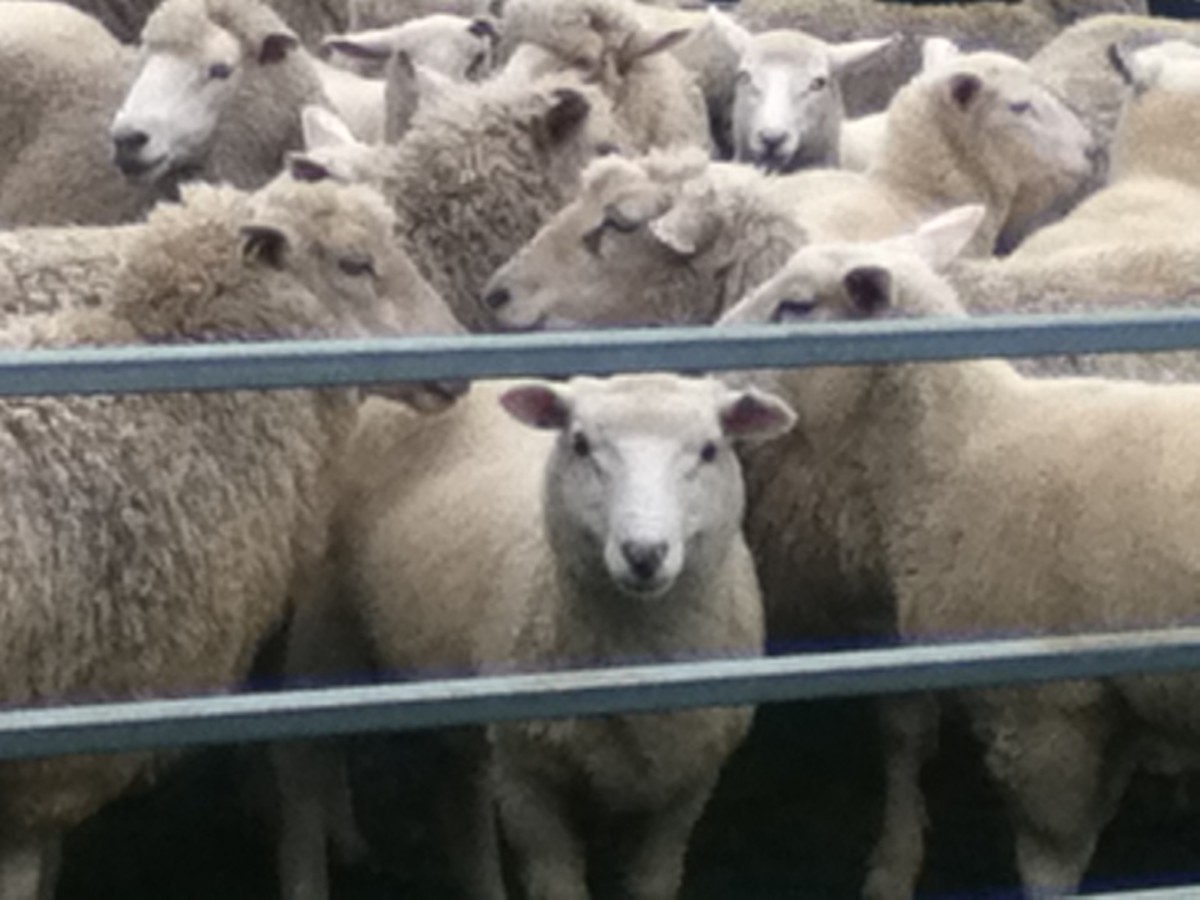
When you know nothing about sheep but you want to buy one, it helps to have an experienced local tell you if the cute one is a good investment.
When you know nothing about sheep but you want to buy one, it helps to have an experienced local tell you if the cute one is a good investment. | Source

For further information log on website :
https://dengarden.com/misc/Top-Tips-for-Living-Off-The-Grid

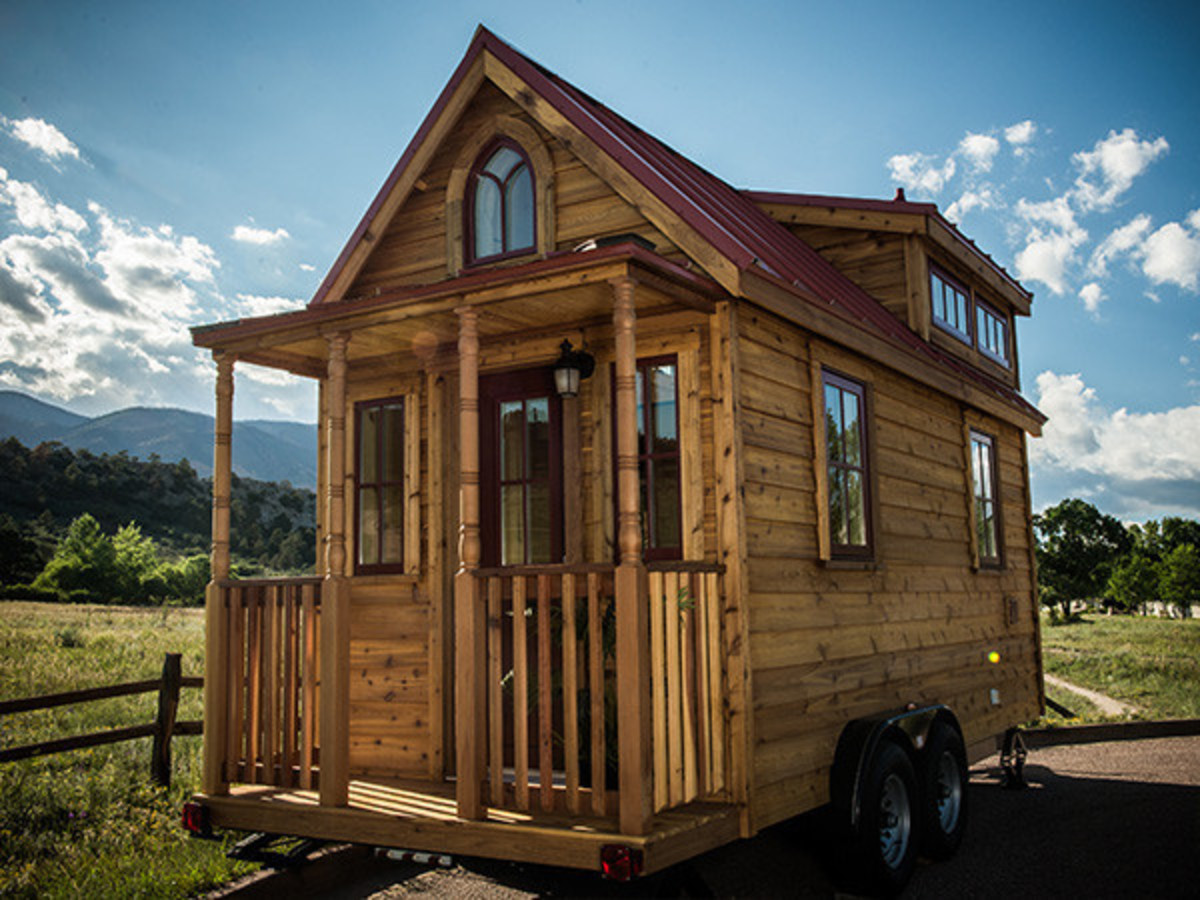
The Big Idea Behind the Tiny House Movement

Author
Fernando Quijada

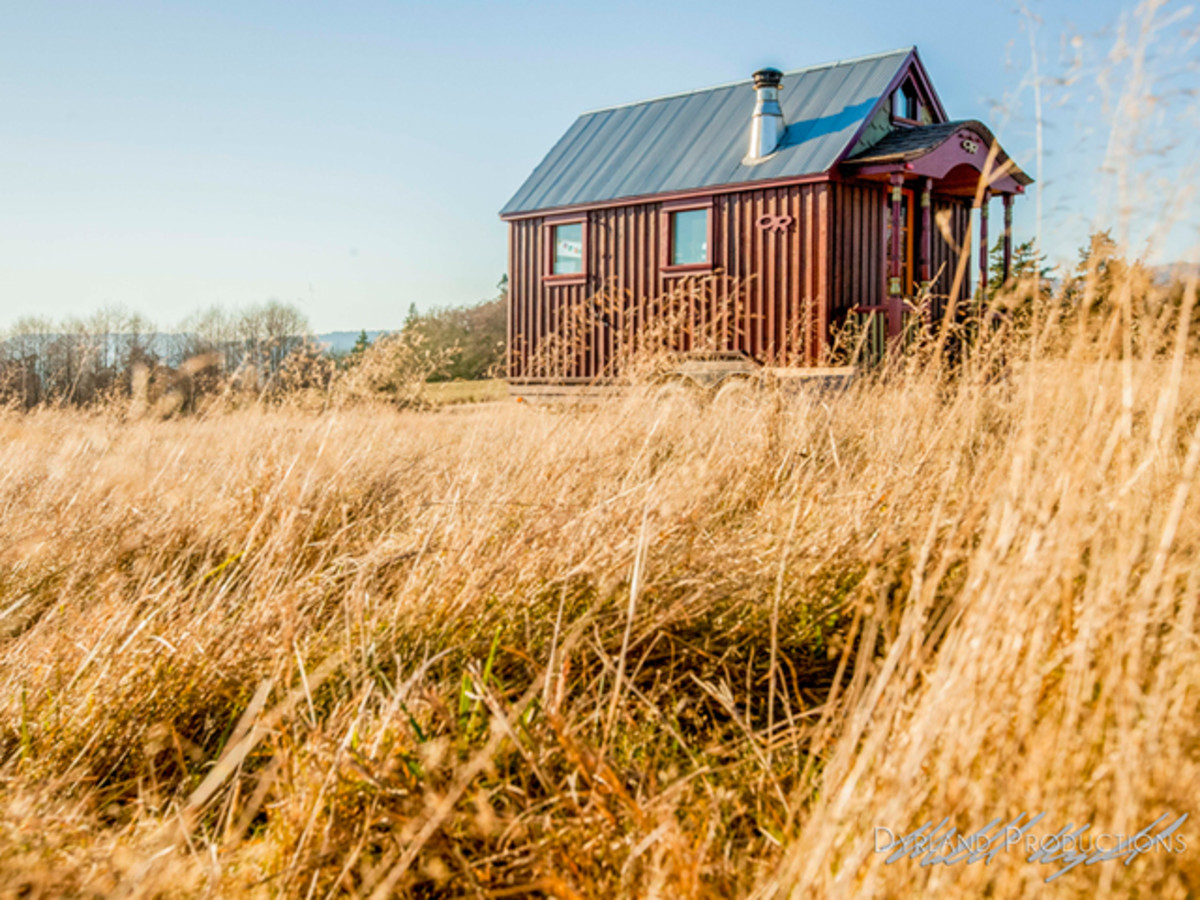
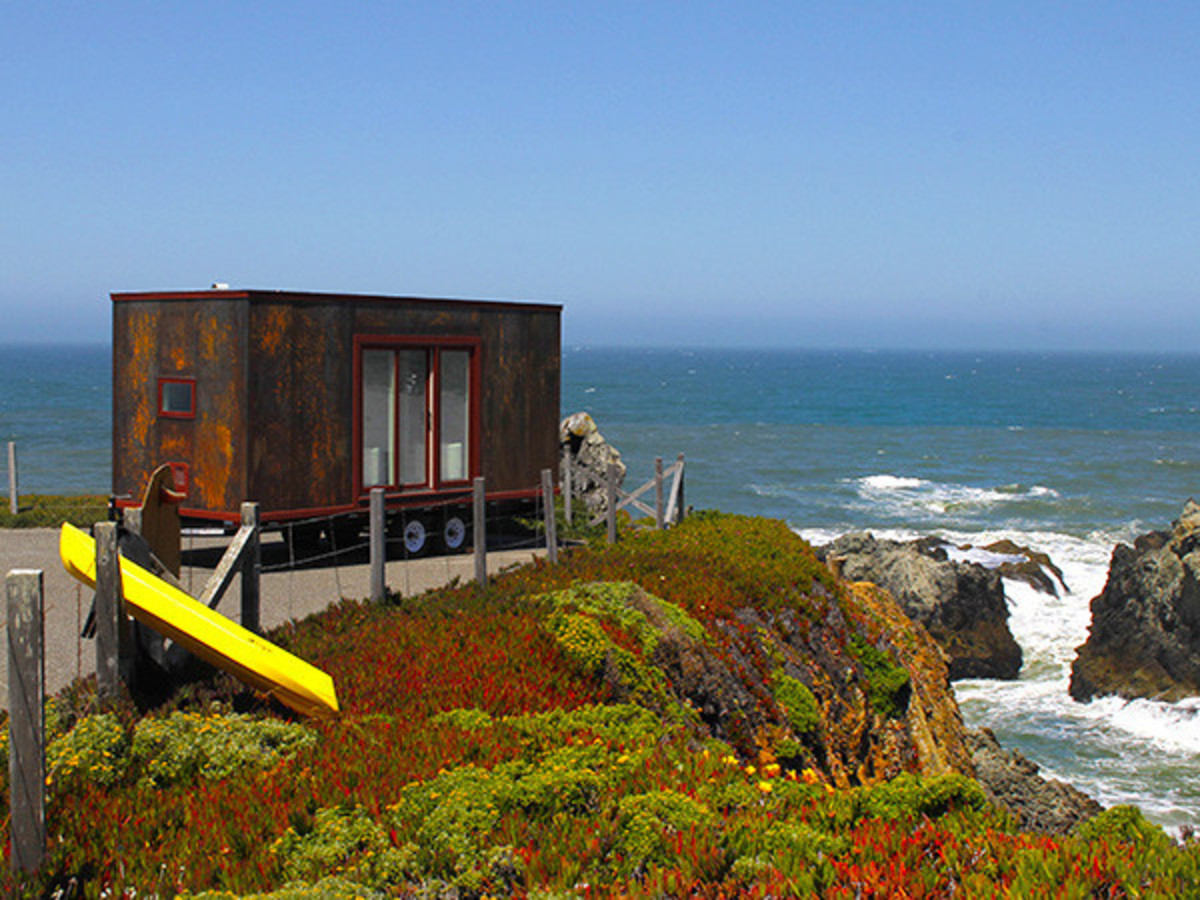
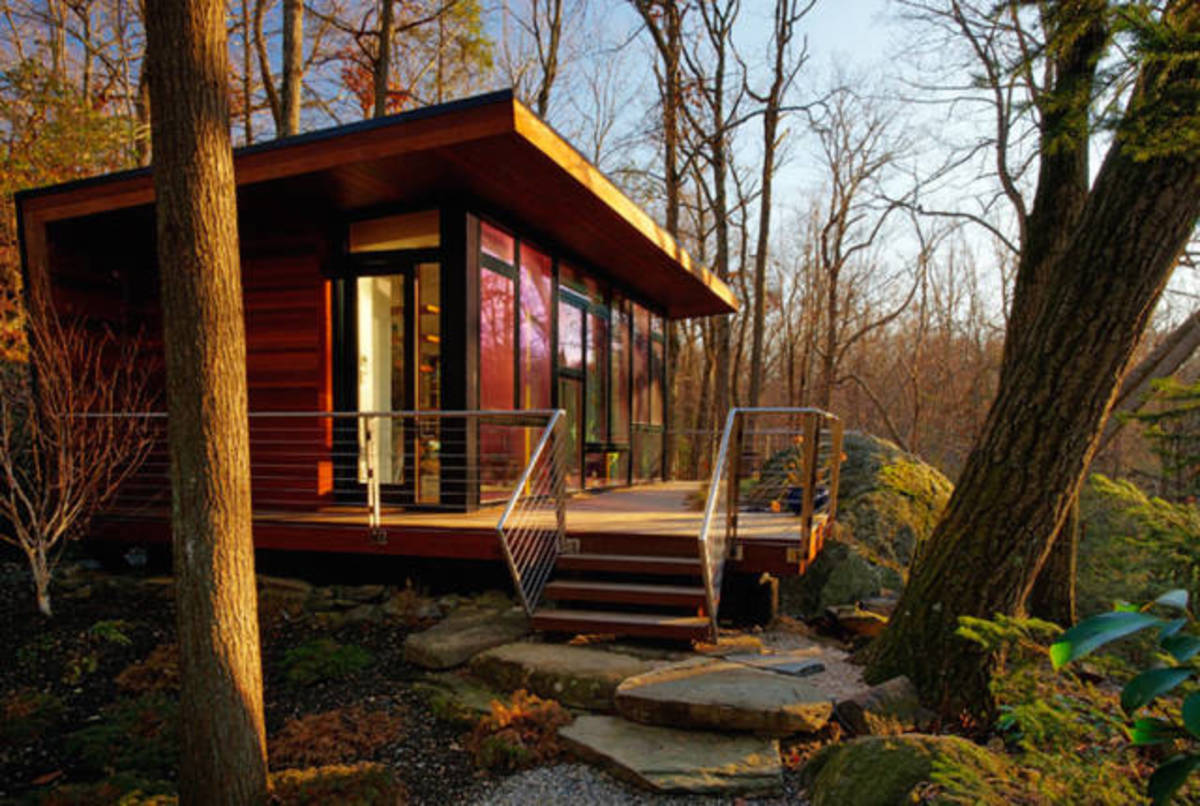
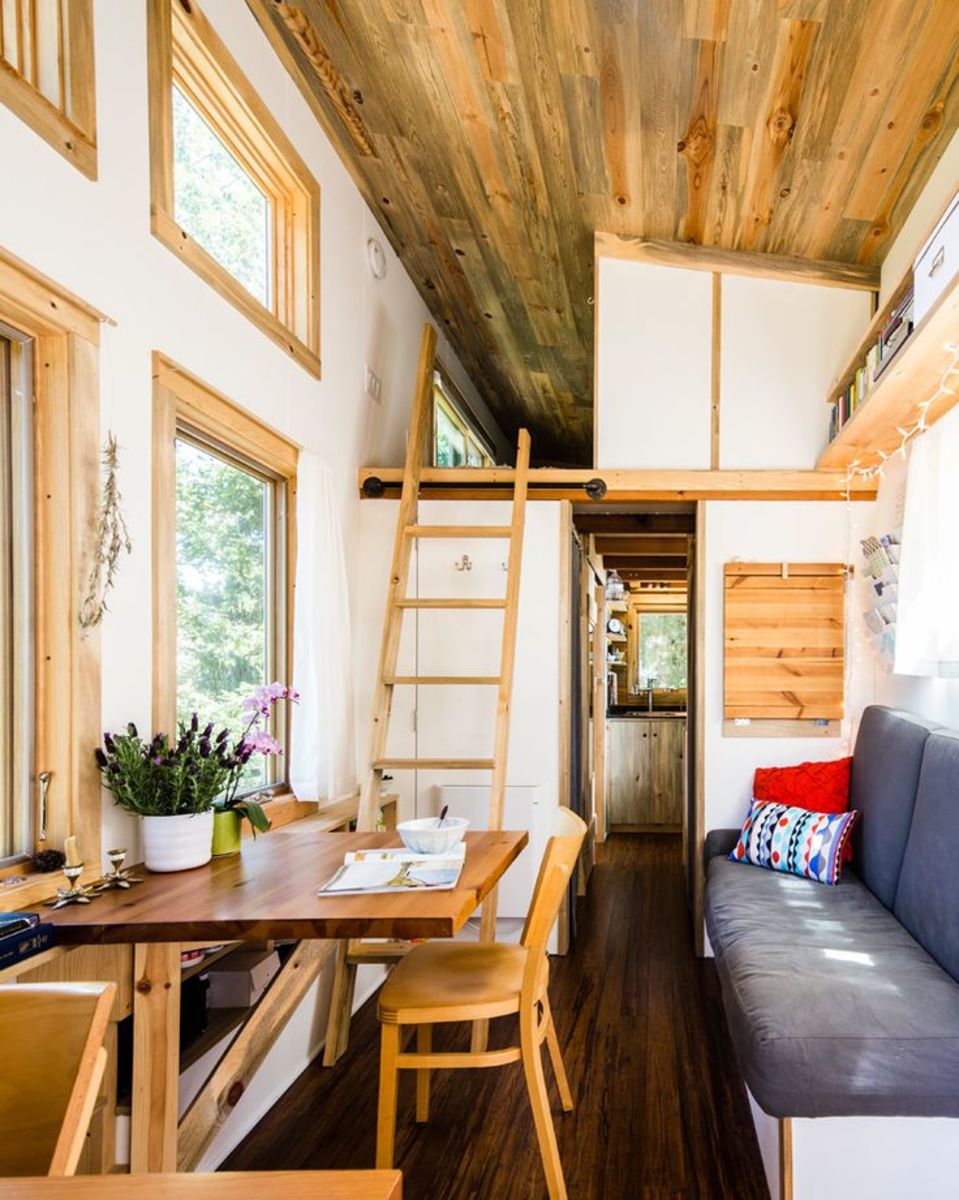
This pre-made elm design exhibits the traits of the ideal tiny house: simplicity and sheer elegance.

This pre-made elm design exhibits the traits of the ideal tiny house: simplicity and sheer elegance. Source

What Inspired the Tiny House Movement?

You probably remember seeing a picture or two of these cozy tiny houses roaming around the Internet. Mainly found on Pinterest, Tumblr, and Facebook, these structures seem to be gaining an impressive viral momentum throughout the blogging community. This is to be expected, as they are commonly regarded as "absolutely adorable."
But if you're new to the idea, you've probably wondered: "Why would people actually want to live in one of these?" A question with fair intuitive grounding. The practicality of these tiny houses dates back to hurricane Katrina in 2005 when the government declared approximately 90,000 square miles of land, much of which happened to be dense residential areas, a disaster zone. Thousands of citizens were displaced, losing most of their belongings to the unforgiving winds and divesting floods.
Fortunately, urban designer Marianne Cusato conceptualized what later came to be known as the "Katrina Cottage," a 300 square foot home designated for victims of Katrina. These temporary units accommodated thousands of families across the stretch of the affected Southern coastlines. However, the excellent design and concept of these homes, along with an unsteady economy, has inspired one of the biggest current social movements in the United States.
The tiny living movement entails...
  • downscaling to a space that's less than 1000 square feet
  • environmental awareness of personal carbon footprint contributions
  • the aspiration of eventually becoming completely self-sufficient
  • travel and lifestyle flexibility paired with a heightened sense of adventure
  • the desire to simplify life and snap out of the consumer trance
  • financial planning and intelligent monetary investment
The movement highlights a paradox of living in America: over the span of thirty years, the average house size increased from 1,780 to 2,479 square feet. That is a whopping 71.8% increase in size of your average home. However, according to the 2010 U.S. census, household sizes have decreased to only 2.58 people per house, creating the paradox. Why do smaller families need larger spaces?
Moreover, within the same time period, the world's population has increased from 3.9 billion people to approximately 6.6 billion. The number of people in the world doubled within a lifetime! Additionally, due the recent financial crisis of 2007-08, the housing market has become highly fluctuant with its interest rates and pricing that sent homeowners desperately looking for more economically-friendly alternatives to avoid foreclosure and remain afloat.
Environmentalists and economists have proposed many solutions and ideas as to how the governments of the world can approach these serious complications, but to the surprise of many officials, the public has taken matter into their own hands and has grown more creative and conscientious in personal lifestyle choices. This breathes life into the very foundation of the movement.
Source

Living Big in Tiny Houses: A History

While the applications and practicality of tiny house living was eloquently demonstrated during the aftermath of hurricane Katrina, the concept can be traced back to credit author Sarah Susanka's book, The Not So Big House: A Blueprint for the Way We Really Live, in 1998Susanka introduced a new way of thinking about what makes a place a home and posited that a home ought to be designed and built to perfectly suit the way you would like to livenothing more, nothing less.
This idea was highly popularized in 2009 by the Tumbleweed Tiny House Company. Dedicated to building pre-designed tiny residences, they sold their model homes under the category of park model RVs. What made their product unique, however, was the fact that they used flat-board trailers as a foundation to carry movable homes, in sizes that ranged anywhere from 65 to 885 square feet.
The owner of the company, Jay Shafer, went on to create Four Light Tiny House Company in 2012. Homeowners that made the decision for tiny living (being approximately only 1% of U.S. population as of 2012) had to significantly compress their living space and creatively buy or design a space that could effectively strategize the use and function of appliances, furniture, and space. The entirety of a traditional house has to be compacted to fit in a space of 1000 square feet or less.
Nonetheless, the movement has become a global force where thousands of creative families and individuals from around the world have set out to design the best living spaces to call home. Here are a few examples of beautiful small structures around the world:
  • Country Living has a large gallery of examples, including one designed by Macy Miller, whose family of four fits comfortably in a 192-square-foot space.
  • Famous for their viral video on YouTube, Andrew and Gabriella Morrison customized their own tiny house to be 209 square feet. On their site, they have many inspiring photos and offer instruction.
  • Eva Prats and Ricardo Flores designed their own "house-in-a-suitcase" in Barcelona, Spain that is compartmentalized with puzzle-like furniture and appliances (you'll find a great video there).
  • Business Insider has a slideshow of twenty examples, including one in China where a man turned his 330-square-foot apartment into a moving maze where rooms and furniture slide in and out of view.
  • A tiny home in Whangapoua, New Zealand that a company named Crosson Clarke Carnachan built on a beautiful beach hut to crave for a perfect getaway.
The challenge of managing to fit everything a home would normally contain into a closely defined space might seem impossible, but those who try soon find it to be an extremely thrill-inducing experience. It puts into perspective the massive amount of redundant "stuff" owned and its absolute lack of importance, which begins to mark the awakening from the unhealthy consumer trance and the start of simplification of one's life to the bare essentials.
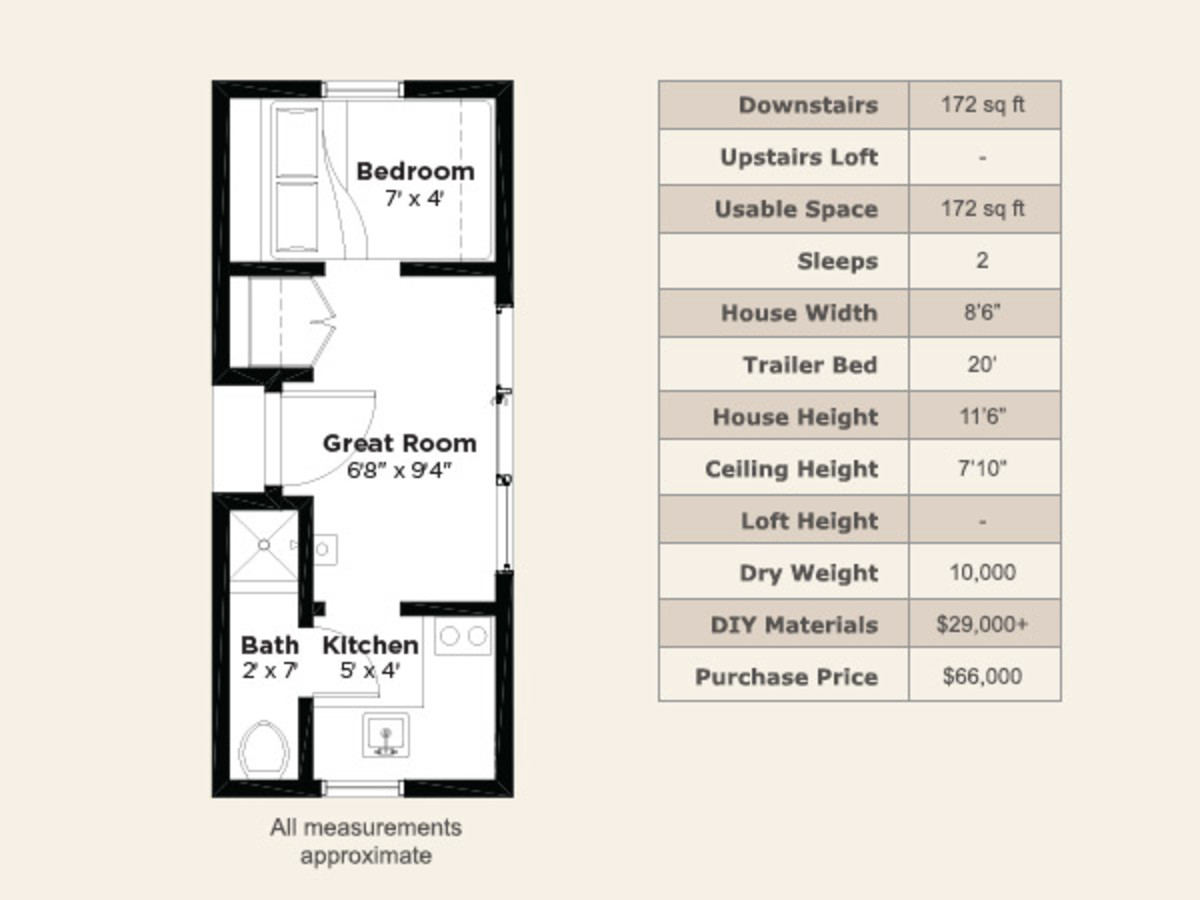
This is the Mica model, a bestselling design by Tumbleweed Tiny House Company.
This is the Mica model, a bestselling design by Tumbleweed Tiny House Company. | Source

Minimizing Your Carbon Footprint

When examining the average American residence, it becomes quickly evident how energy supplies are not being efficiently nor purposefully distributed and used. The average American simply pushes a button and spends energy without being fully aware of the impact on the environment.
But here is some recent data from the U.S. Energy Information Association and Environmental Protection Agency regarding the average energy consumption index for the traditional 2,479-square-foot American home:
  • 909kW of electricity is consumed per month and approximately 10,908kW a year. (To put this into perspective, it takes 936.27 pounds of coal to produce enough electricity for the average American house every month).
  • The U.S. uses approximately 4.91 trillion cubic feet of natural gas to supply residential houses every year.
  • On average, 400 gallons of water are been used in only one day. That is about 144,000 gallons of water a year.
This data doesn't account for the energy required to supply or produce these services. Nonetheless, the carbon footprint for the average household results in approximately 13.5 metric tons of CO2 emissions every year. This means that we displace and emit 13.5 metric tons of greenhouse gases into the atmosphere every year. And according to our 2012 Census, there are approximately 121.1 million households in the United States. The math is almost cringe-worthy.
On the other hand, when examining the readings for a tiny structure, there is a significant difference:
  • Tiny houses use an average of only 914kW. That is a 83.79% drop in electric consumption.
  • Owners claim to only use approximately 30 gallons of water a day—only 10,950 gallons a year—a 76.04% drop.
  • They emit about 2,000 pounds of CO2 per year, which is a 71.43% drop.
Tiny living not only proves to be a feasible alternative but it also happens to be a fantastic solution to drastically reducing one's personal carbon dioxide emissions, lowering overall energy demands, and a reduction in building materials. This encompasses the very essence of being environmentally conscientious and a true citizen of the world.
Source

A House-Sized Piggy Bank

Not only is the choice of tiny living a superb environmental choice, but it also happens to be financially intelligent one as well.
Considering the overwhelming amount of energy the average American home demands, the cost to maintain said services are on par with the excessive consumption. For most Americans, the monthly cost of housing alone is about 27% of the family's income, that is excluding food, water, gas, electricity, and overall maintenance. The average household needs to work an average of 10.8 hours out of a regular 40-hour work week simply to pay for housing.
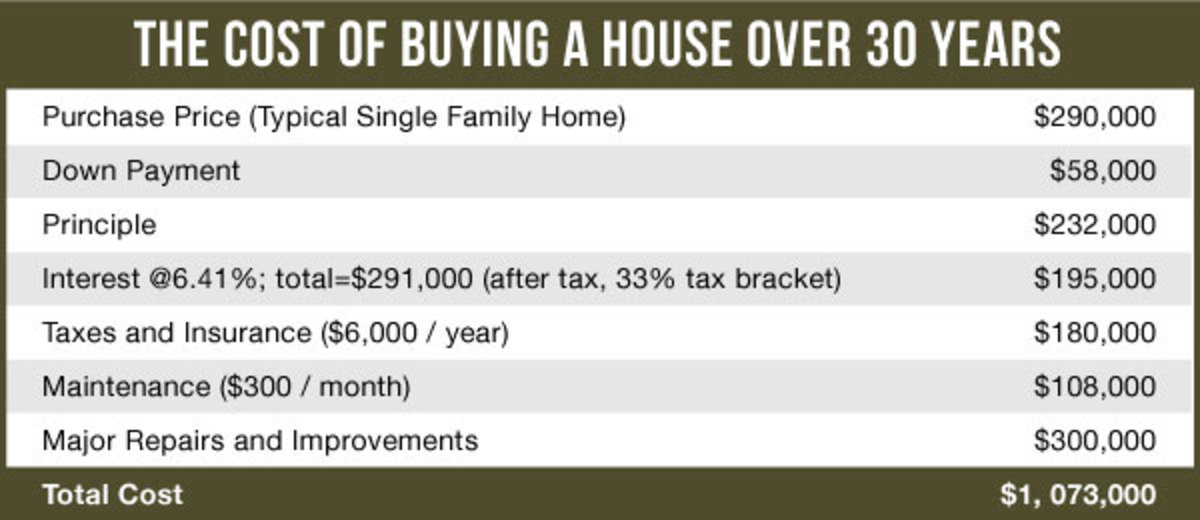
According to the 2010 census, the average house in the United States cost approximately $272,900. Because of current pay rates, 76% of Americans live paycheck-to-paycheck. To put it into perspective, this is a typical 30-year housing plan which could result in long-run money loss. Such a lifestyle can place a family at an extremely high risk of getting caught in a vicious debt cycle.
Source
After about 30 years, you would have paid a total of about $1,073,000.
Downscaling has proven to be a great alternative for this daunting financial outlook. And since tiny structures tend to require significantly less material to build and demand less energy to run, their total cost would automatically decrease. Nonetheless, the average tiny house cost (which is highly dependent on square footage and whether it was built by the owner) comes to only be about $23,000.
Research done by Tiny House Life reveals some financial facts about tiny housing:
  • About 68% of tiny home owners have no mortgage, compared to 29.3% in the traditional housing market.
  • 78% of tiny home owners actually own their home, compared to only 65% in traditional housing.
  • 55% of tiny house owners have more savings than the average American, $10,972 being the median.
  • 89% of tiny home owners have less credit debt than the average American, with 65% having absolutely no debt.
This illustrates the increasing benefits downsizing in regards to monetary investments. The money that would have gone to traditional housing payments could instead be saved up, used for traveling, or invested. Tiny housing is not only a financially sound lifestyle but an apparently smart one. (People with masters degrees are twice as likely to invest in tiny living, after all.)
The average tiny house cost (which is highly dependent on square footage and whether it was built by the owner) comes to only be about $23,000.
Source
Source

Off-Grid and Back to Our Roots

Another merit of the movement is the overwhelming ease of self-sufficiency. This is one of the primary reasons of why people choose to live in a tiny place in the first place. It is easy to maintain, requires little energy to run, and frees up a significant amount of money.
Self-sufficiency is the ultimate goal of tiny living. However, it is not necessarily that easy to achieve. When designing a tiny home, the efficiency of the system is the key to a successful design. Some build a tiny home to only find out their appliances require roughly the same energy input as before, making self-sufficiency difficult.
Nonetheless, many of these owners have become off-gridders, those who have taken the time to carefully select the appropriate materials, appliances, furniture, and green energy generators that will facilitate self-sufficiency. Common characteristics found among off-grid tiny houses include...
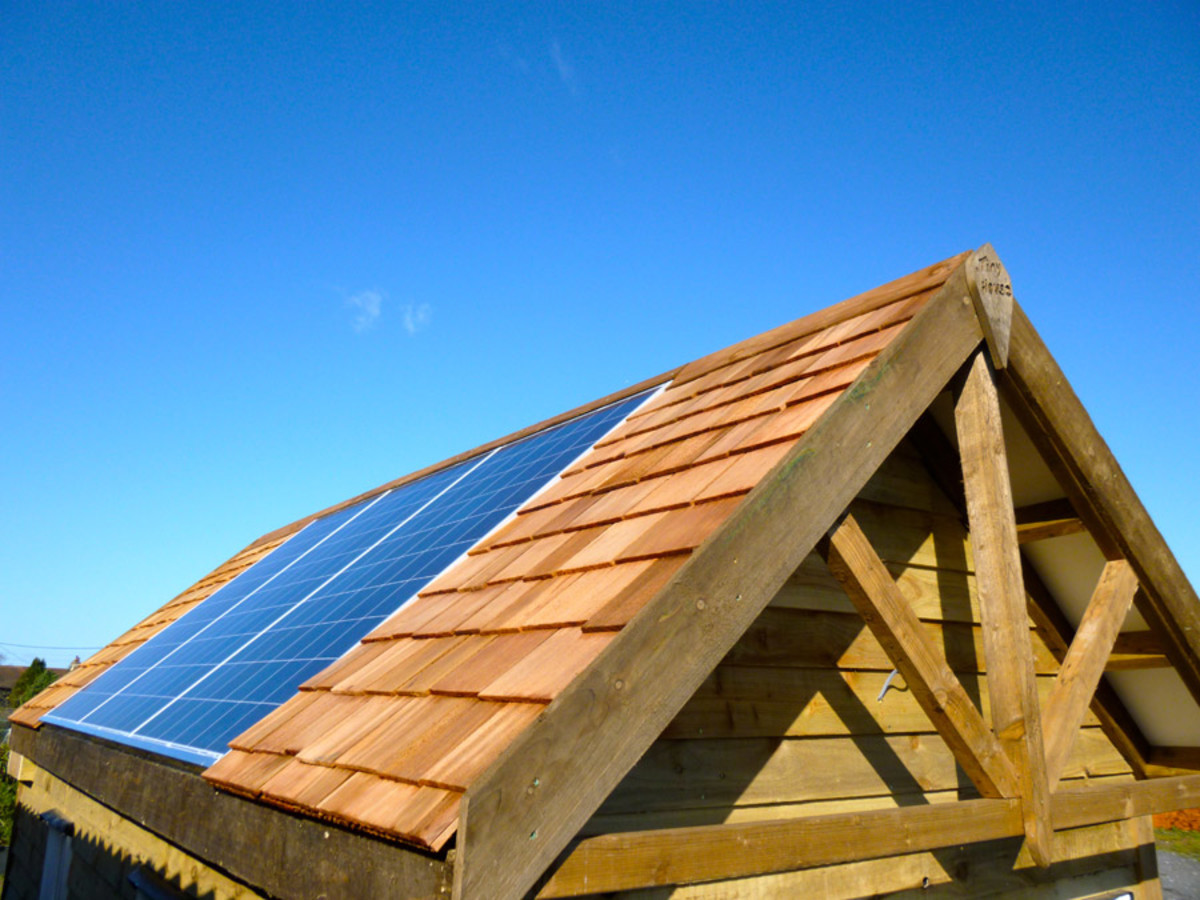
  • arrays of +250w solar panels, usually along the stretch of the roof
  • propane tanks ranging anywhere from 40 to 1,500 pounds
  • pumps extracting water from nearby springs, drilled wells, or tanks
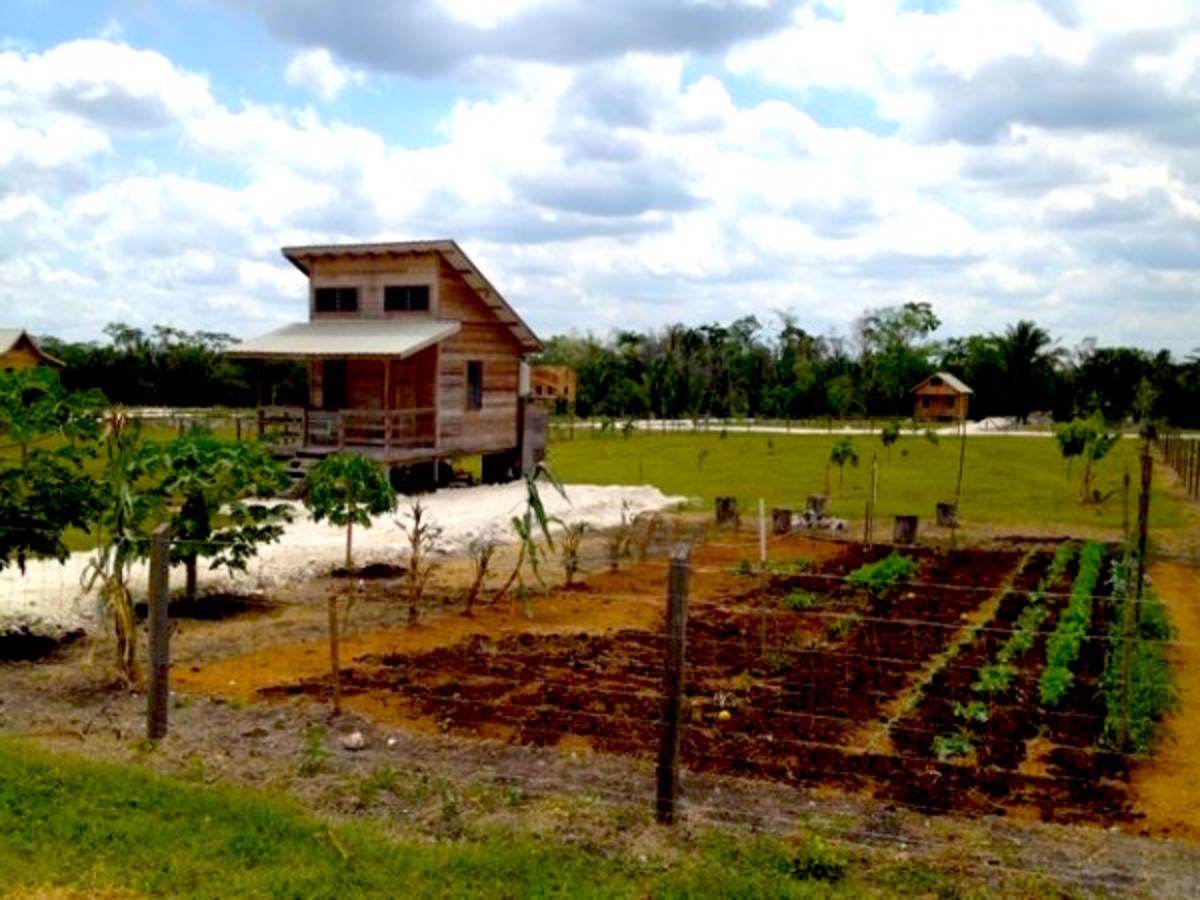
  • gardens that produce fresh vegetables and fruits.
There are numerous options which a family or an individual can choose from to get their needs met. By choosing wisely, owners can also avoid strict zoning laws and significantly reduce the money spent on taxing.
Nevertheless, disconnecting from the grid is often something that appeals to the person who's drawn to the tiny home lifestyle, and those that achieve a satisfying level of self-sufficiency pride themselves in reducing or even completely eliminating their dependence on the grid.
Bring Home Along
Bring Home Along | Source

Traveling Homes

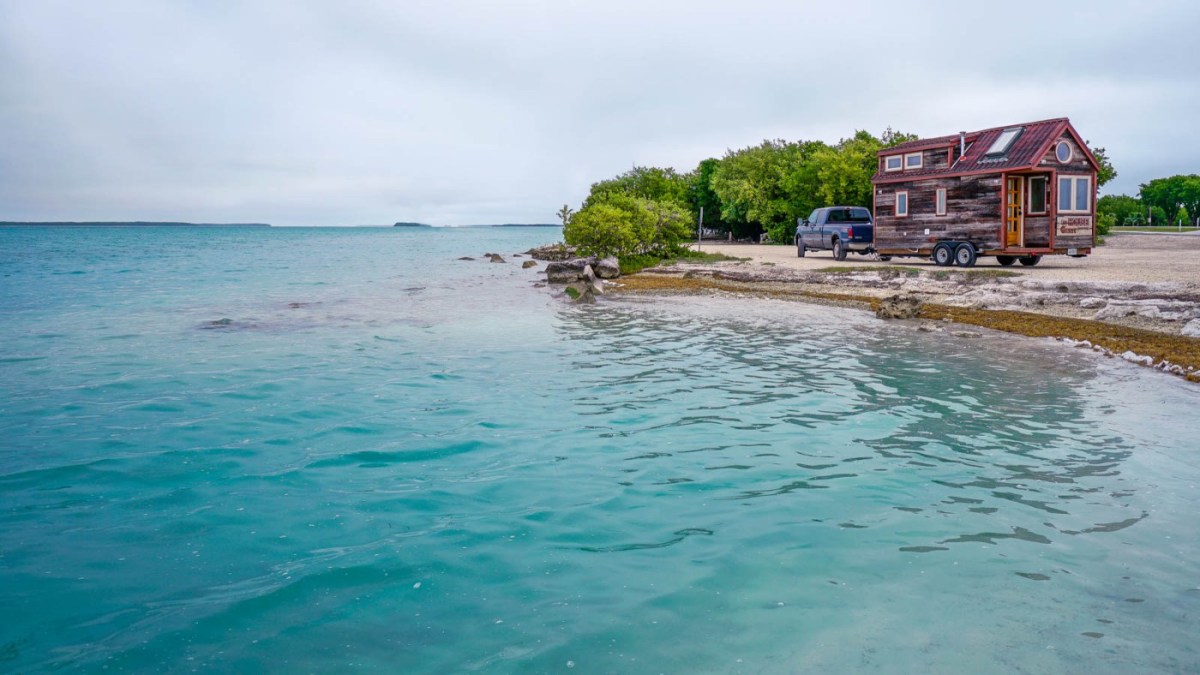
Another benefit tiny home owners can enjoy is the ability to travel with their houses. Building on wheels not only allows the flexibility of mobility, but because these homes are often smaller than park trailers, they can be parked almost anywhere. Many bloggers have documented their exhilarating travels and activities for the public to read.
After the building is complete, many report a sense of newfound thrill of freedom as the implications of the lifestyle begin to breathe life into the space created by downscaling and simplification. Not only is there now money available to use, the very idea of living in a moving home seems to inspire these homeowners to explore the world around them and take a well-deserved vacation.
They often become inspired to finally run their own business or find a more flexible job that would allow them to travel. In fact, a New Mexico-native couple decided to make traveling their job and have visited over 25 major sites in the United States. They host various open house events and receive anywhere from 40 to 600 visitors for every major site. Their online blog, Tiny House Giant Journey, has now gained a wide, growing audience. Writing with friendly wit and humor, the couple's adventures are captured in stunning pictures and detailed narratives that can inspire an overwhelming craving to experience the world for yourself. In one of their first blogs, the couple enthusiastically finished by saying, "our first adventure was full of surprises, and it’s only a taste of the crusade to come."
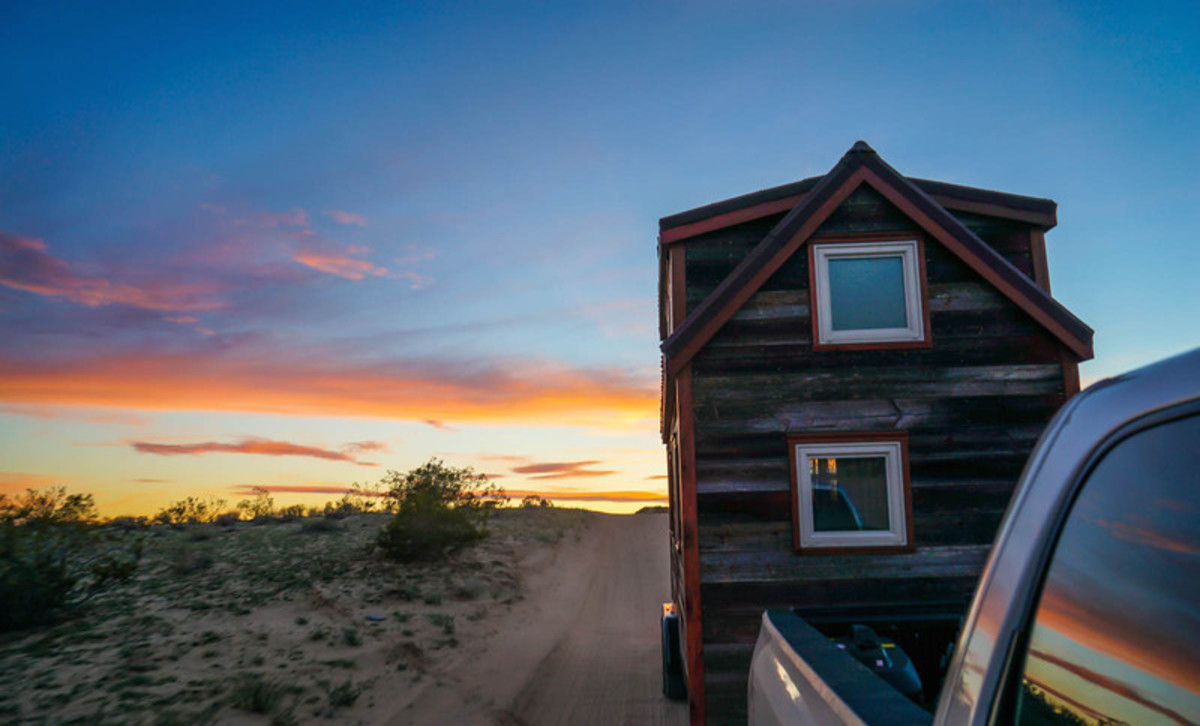
Tiny life can take off on wheels.
Source
Source

Tiny Homes vs. Building Codes

As awe-inspiring and innovative tiny housing may be, Untied States' laws, building codes, and city zoning codes have not quite caught up. Some have to negotiate and take action to loop through the bureaucratic system that would normally view these dwellings as illegal to live in.
It is not the structure itself that is technically illegal, it is its dimensions. The government requires a room to be at least 120 square feet to be considered legal and since there are tiny homes that are 120 square feet or less, the homeowner is then considered to be violating housing codes.
Here are a few of the levels of bureaucracy from which housing and building codes become regulated both locally and federally:
  1. The Office of Zoning
  2. The Zoning Commission
  3. The Zoning Administrator
  4. Board of Zoning Adjustment
  5. The Office of Planning
  6. Department of Consumer and Regulatory Affairs
Together, these governing entities regulate, manipulate, and implement more than 20 chapters of hundreds of detailed laws and requirements which dictate overall property use and building codes in the United States. These rules were created to avoid the creation of scatter camps and random intrusive buildings within city limits.
Depending on the state and county, it could cost the tiny house owner hundreds of thousands of dollars to get exemptions from zoning laws. The process may take years, with no absolute guarantee. While it is completely legal to make, buy, or park a tiny house, the conflict comes once the owner steps into the structure and claims it as his or her permanent home.
This particular issue can be traced back to New York City's Zoning Resolution of 1916. During this time, urban planners and zoning committees began to organize and add structure to the ever-expanding city. Buildings had to be a certain distance apart from one another to allow space for the sun to shine, industries could not be within a certain distance from residential quarters, and they created many more regulations that still remain today.
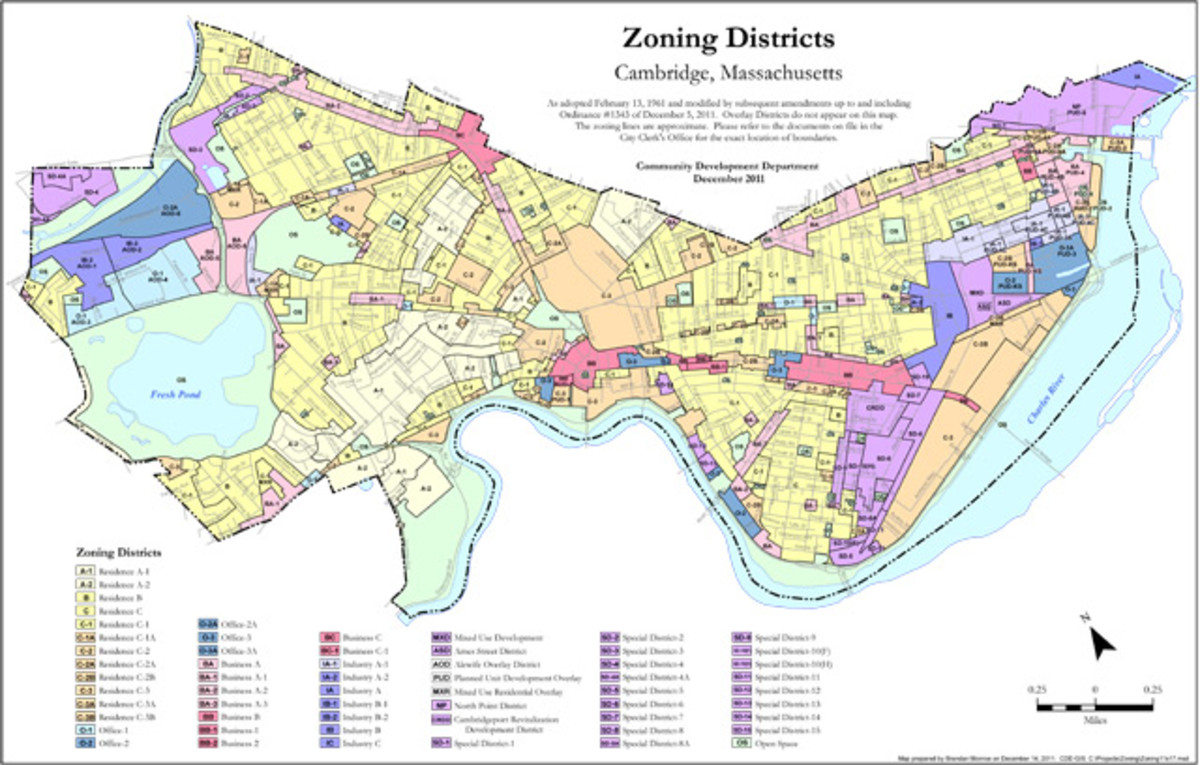
An example of city zoning.
An example of city zoning. | Source

Building Code Loopholes

Nevertheless, tiny home owners have shared various ways to bypass certain codes, one of which happens to be to place the whole structure on a trailer. This allows the owner to avoid violating property laws and building regulations.
Other loopholes include buying rural property, moving locations after certain amounts of time, and negotiating deals with nearby households. Although a tiny house can be subject to discrimination from regulatory agencies and neighbors (for the potential decrease in property values), tiny living seems to actually increase residential value by increasing density in relation to the property owned. This, however, might include an increase in taxes.
Nonetheless, it is completely possible to live in your tiny dream home if you follow the rules (and find legal ways to bend them).
Source
Source

The Big In Tiny Living

Despite the bureaucracy, tiny living has become an increasingly persistent force, especially here in the United States. Not only does this refreshing lifestyle encompass environmental responsibility, superb financial investment, flexible living, a heightened sense of adventure, and monetary freedom, it also symbolizes the brilliance of human ingenuity and compassion.
Tiny living allows people to fully exert their creativity and design aesthetic. It is an opportunity to become part of a solution to the problem that is eating away at our planet's resources every day. And most importantly, it creates the ability to reignite the long-lost spirit of human quest.
Tiny living has demonstrated that big does not necessarily mean better. It has opened the door to exploring a whole new realm of possibility. This is a trend that is quickly revolutionizing the world and a solution to countless environmental issues. It is a social response to an inner calling for a needed change. This is the tiny house movement.

For More Information

Helpful Guides and Pictures

Tiny Homes: Simple Shelter (The Shelter Library of Building Books)
"The common thread that weaves between the stories is the builders' immense pride of place, a drive for independence and a vision that, when little goes to waste, life can have greater meaning."
—HomeGrown.Org
 
Source
For further information log on website :
https://dengarden.com/misc/What-Is-The-Tiny-House-Movement

How to Make Charcoal Briquettes: Ingredients and Composition

Author
ngureco profile image

Make Reasonable Income Selling Charcoal Briquettes


Making fuel briquettes is a tedious and messy work not suitable for everyone. If you are one of those people seeking high-paying dirty jobs, then, you may consider making charcoal briquettes to sell to your neighborhood. The demand for briquettes is there and there is money to be made. Once the charcoal briquettes have been made, they are cleaner and smokeless than the lump charcoal; - that is the reason many people like them. You will save a lot of your money by making fuel briquettes for use in your home and in addition you should be able to make a reasonable income by selling excess briquettes to other people in your city.
The messy part in making charcoal briquettes is in crushing and mixing charcoal dust as detailed in the article How to Make Fuel Briquettes – Charcoal Dust – Carbonization and Pyrolysis of Biomass.

Defining Briquettes

A briquette is a block of compressed coal dust, charcoal dust, sawdust, wood chips or biomass, and is used as a fuel in stoves and boilers. Charcoal is not like clay. Charcoal is a material without plasticity and can not be mold into shape without adding a binding material. To form charcoal dust into briquettes, an agglomerating material is added to the charcoal dust and then pressure is applied to the mixture to form a briquette.
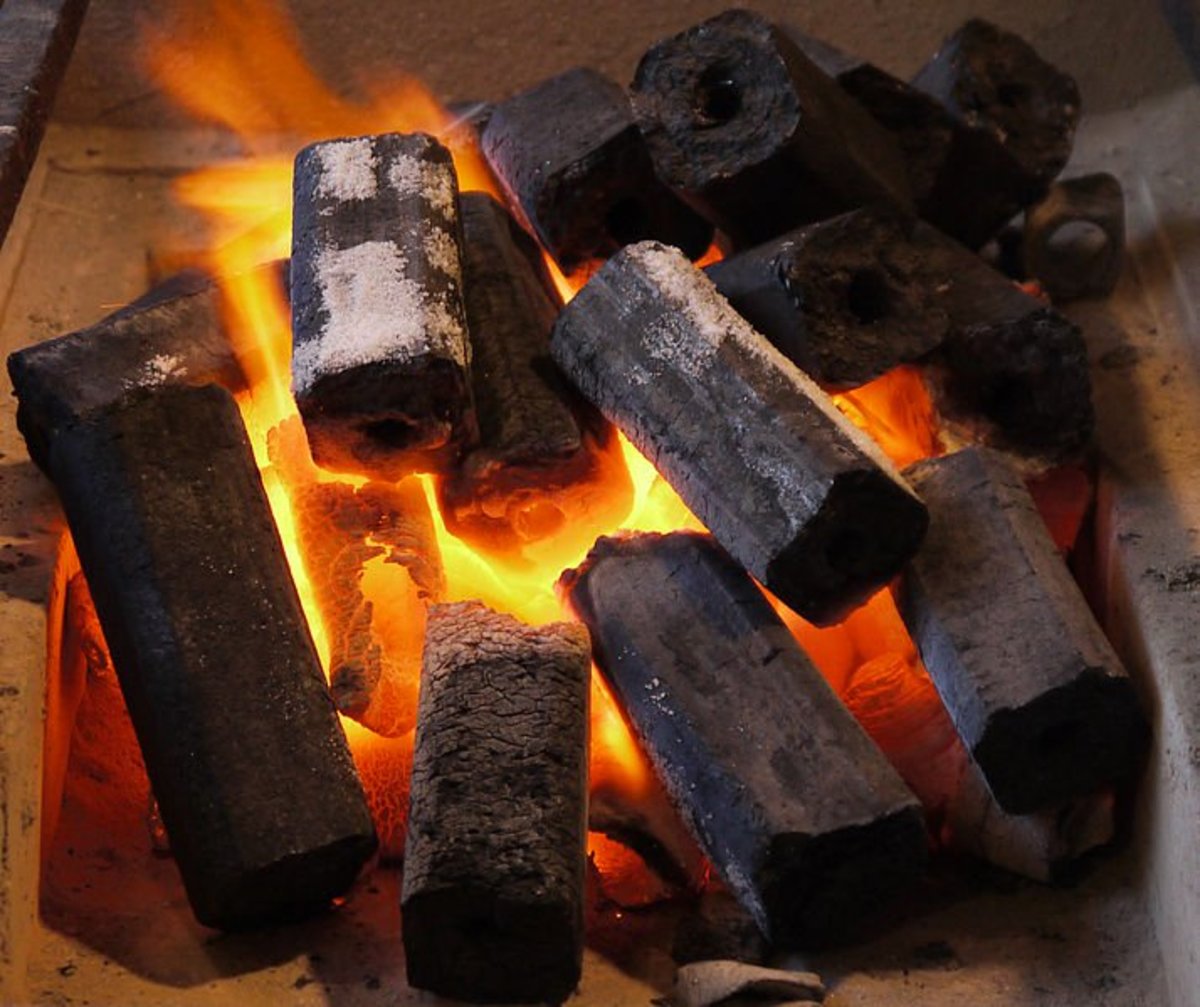
How to Make Charcoal Briquettes - Charcoal Briquettes Burning. Image credit:DryPot, Wikimedia Commons.
How to Make Charcoal Briquettes - Charcoal Briquettes Burning. Image credit:DryPot, Wikimedia Commons. Source

Charcoal Briquette Ingredients and Composition

The ingredients of charcoal briquettes will usually fall under the following:
  1. Heat fuel - wood charcoal, charcoal fines, mineral carbon, coal, biomass, etc.
  2. Burning speed – sodium nitrate and waxes. Sawdust can also be used.
  3. White Ash Color - Calcium carbonate, lime or limestone
  4. Binder – starch. Cement, kaolin, ball clay can also be used
  5. Press release – use borax
  6. Filler – for adulteration use silica, clay, soil, etc

Heat Fuel

This is what provides the energy. The higher the percentage of heat fuel materials, the better the briquette. Try to get about 90% of heat fuel material for good briquettes that will give you more fire. Get materials that will emit less ash – for example, very fine charcoal fines may have come from tree leaves and have a lot of dust and soil in them and will give more ashes. Larger fines are very good and you just need crush them to appropriate size. You can use wood charcoal, charcoal fines, mineral carbon, coal, biomass as heat fuel material.

Accelerants

The materials used are chemical nitrates especially sodium nitrate. Keep off potassium nitrate and ammonium nitrate for they are dangerous. In fact, you should not use nitrates unless you are a professional. To start with, nitrates are used in making fertilizers and can be expensive in many countries. In India, a kilogram of sodium nitrate is currently costing US$1.00 ex-works and since you need about 3 – 4% in your briquettes, this will translate to a lot of money such that your briquettes may not be priced well to compete with lump charcoal. However, it’s important to note that the nitrates are fuel energy that will also provide heat. If you are targeting high end markets like USA, go ahead and use sodium nitrate as an accelerant in your briquettes for that market is willing to pay more for quality. If you are targeting low end markets in developing countries, forget about sodium nitrate. Instead, use sawdust as accelerant. Use about 10 – 20% of sawdust but remember that un-carbonized sawdust will make your briquettes emit a lot of smoke. To reduce the smoke from sawdust, just partly ferment your sawdust for about five days by just letting the sawdust stay in water for 5 days. Alternatively, you will need to carbonize your briquettes after you have made them.
Briquettes will need accelerants to burn faster unlike lump charcoal because there is a difference in the structure of briquettes from that of lump charcoal due to compaction. As a result, briquettes are not able to absorb sufficient oxygen for faster combustion. Nitrates are oxidants and when heated, they give out oxygen for accelerated combustion of briquettes.

White Ashes

White ash color is very appealing in briquettes. It’s like it stands for quality. When you lit your briquettes in a stove, you need to know when they are ready. This is done by observing that the burning briquettes have turned white. You can only see the white ashes if your briquettes contains sufficient calcium carbonate, lime or limestone. A 2 -3% whiting, lime, limestone or calcium carbonate is sufficient. Whiting, lime, limestone or calcium carbonate have in the past been very cheap products but with the rising fuel prices, the cost of transporting the products have become high. It is because of this that in developing countries they may have to do with charcoal briquettes of whatever ash color. Whiting, lime, limestone or calcium carbonate are not heat fuels but they can lower the burning rate such that the briquettes burns for a longer period but at a reduced fire.

Briquette Binders

Charcoal is a material without plasticity and charcoal dust can not hold into shape without adding a binding material. The best bidder of all times has been proven to be starch. Any starch will do but preferably from cassava. Cassava starch is preferred because cassava tuber and chips are very cheap, the tubers are as good as starch due to high starch content, cassava is easily available to the low income societies, and that the societies still consider cassava as a poor man’s food only lying idle in farms waiting to be used just incase there is drought and food shortage. Corn starch (maize starch), wheat starch, maize flour, wheat flour and potatoes starch can also be used. These are foods and it can be difficult to make sense to a poor man that what he may consider as a delicacy should be used by him to make charcoal briquettes. In any case, the world does not want us to ‘destroy’ our foods in make charcoal briquettes, but then on the other hand, a packet of maize flour is of little value if you can not have fire to prepare the meal.
To use the starch as a bidder, you need to gelatinize the starch. Starch gelatinization is just breaking down the intermolecular bonds of starch molecules in hot water to form a thick paste that will stick the charcoal dust together. In simpler language: just use your starch or flour to make porridge and then use the sticky porridge to stick the charcoal dust or fines together.
A bidder has to be used – there is no shortcut unless you wish to use lignin from biomass material by pressing your briquette material using a high pressure briquette pressing machine.
Starch can be expensive. It can cost a dollar per kilogram. You will need about 5 – 7% starch to make briquettes. A 45 kilogram bag of charcoal fines will need 2 – 3 kilograms of starch which will cost you 2 to 3 dollars. 2 to 3 dollars is a lot of money when you reflect on the fact that a 45 kilograms bag of charcoal in developing countries costs about 10 dollars.
Another good bidder is gum Arabic or acacia gum which is harvested from acacia tree. Acacia tree is very common in semi arid areas especially in Africa Sahel and in particular Senegal, Sudan, Somalia, etc. A kilogram of high quality gum Arabic is costing $2 ex-works in Kenya. If you are to use 5% gum Arabic for your charcoal briquettes, then, this is not cheap either.
Mashed newsprint/waste paper pulp is also a good binder. Other bidders such molasses, cement, clay and tar can be used but the resulting briquettes are not the best.

Press Release

Borax or sodium borate is the chemical to use so that when your charcoal paste is pressed to form a block of briquette, the briquette releases itself from the press. This is only necessary if you are using a high speed and high pressure briquette making machine. If you are using simple press/manual press, this is not necessary. Sodium borate is that chemical that is used in making detergents, cosmetics, buffer solutions, fire retardants, anti-fungal compounds, insecticide, as a flux in metallurgy, as texturing agent in cooking, as well as in enamel glazes. Since borax is used as a texturing agent in cooking, it is assumed to be safe for your barbecue BBQ briquettes?

Fillers

Fillers are substances added to briquettes which add no energy value. Fillers’ value is just to increase the weight, density or volume of the briquettes so that the users/buyers may think they are getting a good value for their money. It is a form of adulteration and only adds ash content. If you feel that lump charcoal is a big challenge in terms of price to your charcoal briquettes, just add some filler to your charcoal briquettes and then lower your prices. Fillers must be cheaper than the charcoal fines/dust you are using. Unfortunately there are very few materials that are cheaper than charcoal or charcoal fines. Cement can be used as filler but it is now expensive than charcoal, clay is cheap but if there is huge transport cost involved to transport it to the site where you are manufacturing your briquettes, then you can rule it out. Sandy soil can be ideal as filler since it’s very common in most places. It is said fillers can prolong the burning period of briquettes but then briquettes with too much filler will be of poor quality.

1. Recipes for Making Charcoal Briquettes

i) 10 kg charcoal dust/fines
ii) 0.3 kg cassava starch

2. Recipes for Making Charcoal Briquettes

i) 40 kg charcoal dust/fines
ii) 4 kg sawdust
iii) 2.5 starch
iv) 1 kg calcium carbonate

3. Recipes for Making Charcoal Briquettes

i) 100 kg charcoal dust/fines
ii) 3 kg sodium nitrate
iii) 3 kg sodium borate
iv) 2 kg calcium carbonate/whiting
v) 7 kg wheat starch

4. Recipes for Making Charcoal Briquettes

i) 10 kg charcoal dust/fines
ii) 5 kg saw dust
iii) 1 kg cassava starch
iv) 0.5 kg limestone

5. Recipes for Making Charcoal Briquettes

i) 10 kg charcoal dust/fines
ii) 5 kg saw dust
iii) 0.5 kg cassava starch
iv) 0.5 kg limestone
v) 5 kg sandy soil

6. Recipes for Making Charcoal Briquettes

i) 10 kg charcoal dust/fines
ii) 5 kg saw dust
iii) 1 kg mashed newsprint/pulp
The best recipe for making charcoal briquettes is the one that work for you. Test different recipes again and again, and when you get the one that work for you, don’t let it go.

Briquette Ash Content

Ash content is the percentage of the ratio of weight of ashes after the briquette has burnt completely to weight of briquette before they are burnt.
Example No 1:
1. Weight of lump charcoal in a 2 liters can = 600 grams
2. Weight of ashes from 1 above after complete burn = 15 grams
Ash content of the lump charcoal = 15/600 X 100% = 2.5%
Example No 2:
1. Weight of lump charcoal in a 2 liters can = 1.5 kilograms
2. Weight of ashes from 1 above after a complete burn = 37.5 grams
Ash content of the Charcoal briquettes = 37.5/1500 X 100% = 2.5%
A two liters can of lump charcoal produces 15 grams of ashes and the same can of charcoal briquettes produces 37.5 grams of ashes and we say the ash content is the same. Why? This is because charcoal briquettes are more compact and has a higher density. The average density of lump charcoal is about 0.4 g/cm³ whilst the average density of quality briquettes is about 1 g/cm³.

Ashes - Charcoal Briquettes and Lump Charcoal

Many people believe charcoal briquettes have more ashes than lump charcoal. This is mostly due to the fact that the weight of charcoal briquettes your stove can hold can be as much as three times the weight of lump charcoal the same stove can hold.
If we can have extra ashes to quantify for the briquettes, this should come from the dirt that is contained in charcoal fines used in making the briquettes, the amount of incombustible fillers added to briquettes, and the fact that most of charcoal dust/fines comes from the weak charcoal (from leaves).

Charcoal Briquettes Burn Slowly

Many people believe that charcoal briquettes burn slowly and are less hot than lump charcoal. This is due to the fact that lump charcoal has a bigger surface area than briquettes and therefore has a bigger ability to provide more oxygen for faster combustion. Making briquettes is labor intensive and due to this most briquettes are made of blocks with bigger sizes than lump charcoal. If you find your briquettes are not burning as fast as you would want them, try breaking them into smaller sizes. Sizes of briquettes in the range of 1”x1”x1” will burn faster but whom do you think will have the time to make such small sizes of briquettes? Fortunately, there are briquettes making machines that can make briquettes of any size. A good briquette making machines can cost $6000 ex-works in China.
For further information log on website :
https://dengarden.com/misc/How-to-Make-Briquettes-Charcoal-Briquettes-Charcoal-Briquette-Ingredients-and-Composition

Advantages and Disadvantages of Fasting for Runners

Author BY   ANDREA CESPEDES  Food is fuel, especially for serious runners who need a lot of energy. It may seem counterintuiti...