Blog List

Tuesday, 16 February 2016

White vs. Brown Rice


Man Working on Rice Fields

  • White rice is highly refined, polished, and stripped of its bran(seed coat) and germ (embryo). 
  • This is done to increase its cooking quality, shelf life, and tastiness, but unfortunately, it comes at the cost of reduced nutritional value.
  • Brown rice is an intact whole grain, containing both the bran and the germ. For this reason, brown rice contains substantially more fiber than white rice. 
  • Being the most nutritious parts of the grain, the bran and germ are rich in fiber and several vitamins, minerals, and antioxidants. 
  • However, the bran is also a source of anti nutrients, such as phytic acid, and may contain high levels of heavy metals if grown in polluted areas.
  • Eating white rice may have an adverse effect on blood sugar balance, and should be avoided by people with diabetes. 
  • On the other hand, brown rice is generally regarded as a low-glycemic food, with beneficial effects on blood sugar control.
  • Brown rice is clearly a winner when it comes to nutritional quality and health benefits.
For more information please visit website: authoritynutrition.com

Other Plant Compounds

A number of plant compounds are found in rice, some of which are linked with potential health benefits. 
Pigmented rice, such as red-grained varieties, have been found to be particularly rich in antioxidants
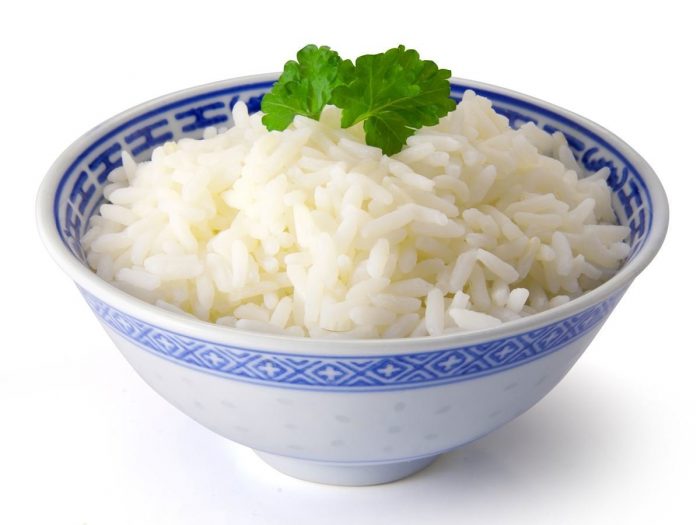
White Rice in a Glass Bowl
  • Phytic acid: An antioxidant found in brown rice, phytic acid(phytate) impairs the absorption of dietary minerals, such as iron and zinc. It can be reduced by soaking, sprouting, and fermenting the rice before cooking.
  • Lignans: Found in rice bran, lignans are converted to enterolactone by gut bacteria. Enterolactone is an isoflavone (phytoestrogen) that may have several health benefits.
  • Ferulic acid: A strong antioxidant found in rice bran. May protect against various chronic diseases, such as cancer, diabetes, and cardiovascular disease.
  • 2-acetyl 1-pyrroline (2AP): An aromatic substance, responsible for the taste and smell of scented rice, such as jasmine and basmati rice.
  • For more information please visit website: authoritynutrition.com

Vitamins and Minerals

  • The nutrient value of rice depends on the variety and cooking method.
  • Many vitamins and minerals are concentrated in the bran and germ, which are components of brown rice, but not white.
    Brown Rice in a Wooden Spoon
  1. Manganese: A trace mineral found in most foods, especially whole grains. It is essential for metabolism, growth, development, and the body’s antioxidant system.
  2. Selenium: A mineral that is a component of selenoproteins, which have various important functions in the body .
  3. Thiamin: Also known as vitamin B1, thiamin is essential for metabolism and the function of the heart, muscles, and nervous system.
  4. Niacin: Also known as vitamin B3, niacin in rice is mostly in the form of nicotinic acid. Soaking rice in water before cooking may increase its absorption.
  5. Magnesium: Found in brown rice, magnesium is an important dietary mineral. It has been suggested that low magnesium levels may contribute to a number of chronic diseases.
  6. Copper: Often found in whole grains, copper is low in the Western diet. Poor copper status may have adverse effects on heart health.
  • For more information please visit website: authoritynutrition.com

Fiber


Different Rice in BagsBrown rice contains a fair amount of fiber (1.8%), while white rice is very low in fiber (0.3%).
One cup of boiled brown rice (195 grams) contains approximately 3.5 grams of fiber. 
Varying amounts of resistant starch are also found in both white and brown rice.
Resistant starch helps feed the beneficial bacteria in the gut, stimulating their growth. 
In the colon, resistant starch leads to the formation of short-chain fatty acids, such as butyrate, which may improve colon health and cut the risk of colon cancer .
Aside from resistant starch, the fiber is concentrated in the bran, which has been stripped from white rice. 
The bran is mainly composed of insoluble fibers, such as hemicellulose, and contains virtually no soluble fiber.
For more information please visit website: authoritynutrition.com

Nutrition Facts and Health Effects

White rice is the most commonly consumed type, but brown (whole grain) rice is becoming increasingly popular in some Western countries due to its health benefits.Various products are made from rice.Various products are made from rice. These include rice flour, rice syrup, rice bran oil, and rice milk. 

This is what rice typically ;

Rice on a Wooden Table
It is usually white in color, but brown rice can come in a variety of shades; brown, reddish, purplish, or black.
a) Nutrition Facts
Rice is composed of carbs, with small amounts of protein and virtually no fat.

b) Carbs
a) Rice is primarily composed of carbs.

c) Starch is the most common form of carbohydrates in foods, made up of long chains of glucose known as amylose and amylopectin. 

d) Amylose and amylopectin have different properties that may contribute to both the texture and digestibility of rice.d) Rice that is high in amylose, such as basmati rice, does not stick together after cooking. 
e) On the other hand, rice that is low in amylose and high in amylopectin is sticky after cooking.
f) Perfect for risottos and rice puddings, sticky rice (glutinous rice) is also preferred in Asian cooking because it is easy to eat with chopsticks . 
g) High digestibility is one of the downsides of the carbs in sticky rice. For a high-carb food, good digestibility is not always favorable because it may cause an unhealthy spike in blood sugar, especially among diabetics.
For more information please visit website: authoritynutrition.com

How to Cook Sago Pearls


How to Cook Sago Pearls
A small bowl filled with sago pearls. Photo Credit KaarinaS/iStock/Getty Images

Sago pearls are made from the inner pith of the sago palm tree. The inner pith of the trunk is scraped out, pounded into fine particles and then soaked in water, which dissolves the starch from the fiber. The starchy water is strained through a sieve and dried. The starch that remains after the water evaporates is shaped into pearls. Sago pearls are similar to tapioca, and indeed they can often be used interchangeably, but tapioca is made from cassava root. Once sago pearls are cooked, they are used in desserts and drinks in Asia

Step 1

Bring the water to a boil in a large pot.

Step 2
Add the sago pearls and reduce the heat to low. Simmer them for 15 minutes. Stir constantly at first, and then stir often to prevent the sago pearls from settling to the bottom where they easily burn.

Step 3
Remove the pot from the heat. Cover the pot and allow the pearls to sit for 15 minutes or until they look translucent rather than starchy.

Step 4
Rinse the pearls under running water in a sieve. Use your fingers to break up any clumps and to make sure all excess starch is rinsed away.

Step 5
Spoon the sago into small molds or custard cups. Chill them in the refrigerator for at least an hour.

Step 6

Combine the palm sugar and water in a medium saucepan. Bring the mixture to a boil and simmer until it thickens slightly. Add the pandan flavoring and stir to mix it well into the syrup.

Step 7
Unmold the sago pearls into dessert bowls. Pour the palm sugar syrup and coconut milk over the pearls. Eat with a spoon.

Things You'll Need
a) Large pot
b) 3 quarts water
c) 8 oz. pearl sago
d) Sieve
e) Molds or custard cups
f) 7 oz. palm sugar roughly chopped or 2 cups sugar
g) 10 tbsp. water
h) Medium saucepan
i) 1 or 2 drops pandan leaf flavoring
j) Dessert bowls
k) 3/4 cup coconut milk

For more information please visit website: www.lifestrong.com

What Are the Health Benefits of Sago

The Roles of Sago

Sago is a common ingredient used in Indian recipes. In gruel form, sago can function as a healthy alternative to carbonated drinks, providing energy without any artificial chemicals and sweeteners. Sago is used to make the pearls that sit at the bottom of bubble tea, a popular Asian drink. You can also use sago in the preparation of desserts and some breads. Additionally, you can add sago to rice for a low calorie, light meal option.

What Are the Health Benefits of Sago?
A traditional dessert made with sago. Photo Credit Erwin Purnomosidi/Hemera/Getty Images
Sago is a starch taken from the center of sago palm stems. Sago has similarities to tapioca, including its look, taste and feel. However, sago is not tapioca, which comes from a different plant. You can, however, substitute tapioca for sago in many recipes.

Sago and the Body
In India, sago is also known as sabudana and has a long history in traditional Indian medicine. According to “The New Oxford Book of Food Plants,” traditional Indian medicine uses sago in combination with rice to cool the body. Therefore, sago can function as an herbal remedy to treat ailments resulting from too much heat, such as the production of excess bile. Sago is also used in traditional medicine outside the Indian subcontinent in Sri Lanka, New Guinea and other Asian Pacific countries.

Health Facts
Sago does not offer any significant quantity of vitamins or minerals. As a starch, the health benefits of sago come primarily from carbohydrates. This carbohydrate content allows sago to function as a staple food in several regions of the world. Sago is also low in fat and has no protein. Since, the nutritional content of sago is quite low, people often mix sago with other ingredients that offer essential vitamins and nutrients, such as milk or fruits and vegetables.

Preparation of Sago
Recipes usually call for you to soak sago in water for long periods of time. After soaking the sago, you will find the starch less sticky and easier to handle than tapioca. You can also use the powder form of sago as a thickening agent for foods such as gravy or sauces. Additionally, you can use the powder form of sago as a flour substitute. In fact, recipes for many types of Indian and Nepali flat breads specifically call for powdered sago.

For more information please visit website: www.lifestrong.com

Sago Nutrition ' Low in Fat '

Sago, which is also known as sabudana, is a starchy substance common to Indian cuisine. It is extracted from the stems of sago palm trees, then processed into small, circular pellets, which are sometimes referred to as pearls. These pearls are commonly used as energy-boosting ingredients in soups, puddings, smoothies, side dishes and main courses. Sago is not a low-calorie food, nor is it a good source of protein and fiber.

Add sago to your diet for variety.

Low in Fat
Fat is the last of the three macronutrients. Although fat is much maligned for its detrimental effects on the body, it's mainly saturated fat that you need to worry about. A high intake is known to promote high cholesterol and heart disease. Sago contains a very low amount of total and saturated fat. A 100-gram serving has only .2 gram of total fat and .1 gram of saturated.

Carbohydrates 
Sago is high in carbohydrate content. Carbs fall into the category of macronutrients, which the body needs in copious amounts for energy and brain function. A 100-gram serving contains nearly 86 grams of carbs. The recommended daily intake of these macronutrients is 45 to 65 percent of total calories.

Protein
Protein is another macronutrient, but it has a slightly different purpose in the body. It is used for the preservation of all connective tissue, aids with wound healing and helps boost immunity. The recommended intake is 46 grams a day for women aged 19 to 70 and 56 grams a day for men in this same age range. A serving of 100 grams of sago contains less than 1/2 gram of protein.

Calories 
Sago is high in calories. One gram of carbs has 4 calories, which is a big contributor to the overall amount. A 100-gram serving of sago accounts for 350 calories.
Vitamins and Minerals 
Sago does not contain many vitamins and minerals, but it does have some. A 100-gram serving gives you 7 percent of your daily allowance. This mineral, which is found in plentiful amounts in animal products, helps deliver oxygen through the blood. Sago also contains small amounts of calcium, copper, potassium and sodium. With the exception of copper, these are electrolyte minerals, which help with muscle contractions and water balance.

Fibre 
The highest fiber foods include whole grains, fruits, vegetables, beans, nuts and seeds. Sago does not belong to any of these categories, and its fiber content reflects that. A 100-gram serving contains less than 1 gram.

For more information please visit website: healthyeating.sfgate.com


Rice Nutritional

Rich in Vitamins: Rice is an excellent source of vitamins and minerals like niacin, vitamin D, calcium, fiber, iron, thiamine and riboflavin. These vitamins provide the foundation for body metabolism, immune system health, and general functioning of the organ systems, since vitamins are commonly consumed in the most essential activities in the body.
Cardiovascular Health: Rice bran oil is known to have antioxidant properties that promote cardiovascular strength by reducing cholesterol levels in the body. We have already spoken about the cardiovascular benefits of fiber, and low levels of fat and sodium. Wild rice and brown rice varieties are far better than white rice in this category, since the husk of the grain is where much of the nutrients are; the husk is removed in white rice preparation.
starch: Rice abounds in resistant starch, which reaches the bowels in an undigested form. This type of starch stimulates the growth of useful bacteria that help with normal bowel movements. Also, this insoluble rice is very useful in reducing the effects of conditions like Irritable Bowel Syndrome (IBS), and diarrhea.
According to the International Rice Research Institute in the Philippines, the nutritional value of rice needs to be improved even more so that it benefits mankind.  Rice, being the most dominant cereal crop in most of the world can improve the lives of millions of people who consume it.
The Last Word on Rice
Rice can also prevent chronic constipation. The insoluble fiber from rice acts like a soft sponge that may be pushed through the intestinal tract quickly and easily. Brown rice and whole grains are known to be rich in insoluble fiber. However, it is advisable to drink lots of water for relieving your constipated condition, in addition to eating fibrous foods.
Diabetic patients should include brown rice rather than white rice, which contains low levels of glycemic index. As little as one cup of brown rice on a daily basis provides a person with almost 100% of their daily manganese requirement, which helps to produce energy from carbohydrates and protein. Brown rice is also extremely beneficial for normal functioning of the nervous system and the production of sex hormones.
For more information please visit website: www.organicfacts.net

Health Benefits of Rice

The various benefits of rice can be found in more than forty thousand varieties of this cereal that is available throughout the world. The two main categories are whole grain rice and white rice. Whole grain rice is not processed very much, so it is high in nutritional value, whereas white rice is processed so that the bran or outer covering is removed, leaving it with less nutritional value. People choose different styles of rice for particular flavors, depending on their culinary needs, the availability, and the potential for healthy benefits as well!

Health benefits
Great Source of Energy: Since rice is abundant in carbohydrates, it acts as fuel for the body and aids in the normal functioning of the brain. Carbohydrates are essential to be metabolized by the body and turned into functional, usable energy. The vitamins, minerals, and various organic components increase the functioning and metabolic activity of all your organ systems, which further increases energy levels.


Cholesterol Free: Eating rice is extremely beneficial for your health, simply because it does not contain harmful fats, cholesterol or sodium. It forms an integral part of balanced diet. Any food that can provide nutrients without having any negative impacts on health is a bonus! Low levels of fat, cholesterol, and sodium will also help reduce obesity and the health conditions associated with being overweight. Rice is one of the most widely used and eaten foods in the world because it can keep people healthy and alive, even in very small quantities.


Rice2


Blood Pressure Management: Rice is low in sodium, so it is considered one of the best foods for those suffering from high blood pressure and hypertension. Sodium can cause veins and arteries to constrict, increasing the stress and strain on the cardiovascular system as the blood pressure increases. This is also associated with heart conditions like atherosclerosis, heart attacks, and strokes, so avoiding excess sodium is always a good idea.Skin care: Medical experts say that powdered rice can be applied topically to cure certain skin ailments. On the Indian subcontinent, rice water is readily prescribed by ayurvedic practitioners as an effective ointment to cool off inflamed skin surfaces. The phenolic compounds that are found in rice, particularly in brown or wild rice, have anti-inflammatory properties, so they are also good for soothing irritation and redness. Whether consumed or topically applied, substance derived from rice tend to relieve a number of skin conditions. The antioxidant capacity also helps delay the appearance of wrinkles and other premature signs of aging that can affect the skin.
Alzheimer’s Disease: Brown rice is said to contain high levels of nutrients that stimulate the growth and activity of neurotransmitters, subsequently helping to prevent Alzheimer’s disease to a considerable extent. Various species of wild rice have been shown to stimulate neuroprotective enzymes in the brain, which inhibit the effects of free radicals and other dangerous toxins that can cause dementia and Alzheimer’s disease.
Diuretic and Digestive Qualities: The husk part of rice is considered to be an effective medicine to treat dysentery, and some people say that a three month old rice plant’s husks are said to have diuretic properties. Chinese people believe that rice considerably increases appetite, cures stomach ailments and reduces all digestive problems. As a diuretic, rice husk can help you lose excess water weight, eliminate toxins from the body like uric acid, and even lose weight, since approximately 4% of urine is actually made up of body fat! The high fiber content also increases bowel movement regularity and protects against various types of cancer, as well as reducing the chances of cardiovascular diseases.
For more information please visit website: www.organicfacts.net

Advantages and Disadvantages of Fasting for Runners

Author BY   ANDREA CESPEDES  Food is fuel, especially for serious runners who need a lot of energy. It may seem counterintuiti...